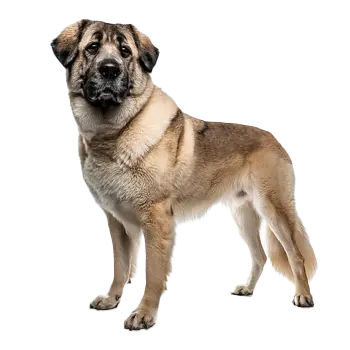

The Anatolian Shepherd traces its roots to the rugged plateaus of central Turkey, where large guardian dogs have protected livestock for thousands of years. Archaeological evidence and ancient artifacts from the region suggest that powerful, mastiff-type dogs were present in Anatolia as far back as 6,000 years ago. These dogs developed alongside the pastoral communities of the region, shaped by the demands of harsh terrain, extreme weather, and the constant threat of predators.
The breed as it is known today is closely associated with the Kangal dog of the Sivas province, though the relationship between the two names has been a subject of ongoing debate among breed enthusiasts and kennel clubs. Turkish shepherds selectively bred their dogs for size, stamina, and an unwavering protective instinct rather than for appearance, resulting in a working dog of remarkable endurance and independence. The breeding philosophy was purely functional: dogs that could not protect the flock did not survive to reproduce.
Western interest in the Anatolian Shepherd began in earnest during the mid-twentieth century, when American ranchers and dog enthusiasts encountered these guardians in Turkey. Early importations to the United States in the 1950s and 1960s laid the groundwork for the breed's establishment outside its homeland. Over the following decades, dedicated breeders worked to preserve the Anatolian Shepherd's working temperament and physical hardiness while introducing the breed to new audiences around the world.
The development of the Anatolian Shepherd outside Turkey has been shaped by a tension between preserving the breed's ancient working character and meeting the expectations of modern kennel club standards. Breeders who prioritize working ability often emphasize field performance and livestock guardian instincts, while show-oriented programs focus on conformation. This duality continues to define the breed's trajectory in the twenty-first century.