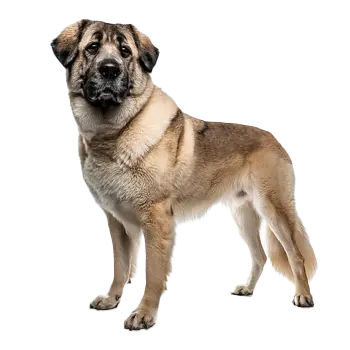

Breed-Specific Legislation

The Anatolian Shepherd is not commonly targeted by breed-specific legislation in the United States or most other Western countries, a distinction that sets it apart from breeds such as the American Pit Bull Terrier and the Rottweiler. However, the breed's large size and guardian temperament mean that owners should remain aware of local ordinances that may apply to dogs above certain weight thresholds or dogs classified as guardian or protection breeds. Some municipalities have enacted regulations that apply broadly to large or powerful dogs regardless of specific breed identification.

In certain jurisdictions, breed-specific legislation has been drafted using language broad enough to encompass livestock guardian breeds, particularly when definitions reference dogs bred for guarding or protection purposes. While enforcement against Anatolian Shepherds under such statutes is uncommon, owners should review the specific language of any local BSL ordinances to determine whether their dog could be affected. Breed clubs and legal advocacy organizations can be valuable resources for understanding the scope of local regulations.

Internationally, some countries maintain restricted breed lists that could potentially affect Anatolian Shepherd owners. While the breed is rarely named explicitly on these lists, the classification criteria used by some nations focus on physical characteristics such as weight, jaw strength, or head size rather than breed name alone. Owners planning to relocate internationally or travel with their Anatolian Shepherd should research destination country regulations carefully.

The broader movement against breed-specific legislation has gained momentum in recent years, with many animal welfare organizations and veterinary associations advocating for breed-neutral dangerous dog laws that focus on individual behavior rather than breed identity. This trend, if it continues, may reduce the already low risk of BSL affecting Anatolian Shepherd owners, but vigilance remains important as local regulations can change with little notice.

Ownership Requirements

Ownership requirements for Anatolian Shepherds vary significantly depending on jurisdiction and intended use. In most areas of the United States, no special license or permit is required to own an Anatolian Shepherd beyond standard dog licensing requirements. However, some municipalities impose additional requirements for dogs above a certain weight, which may include higher licensing fees, mandatory spay or neuter provisions, or enhanced containment standards.

For owners who keep Anatolian Shepherds as working livestock guardians, additional regulations may apply depending on the state and county. Agricultural exemptions in many jurisdictions allow working dogs greater freedom of movement on farm property than would be permitted for companion animals in residential areas. Understanding the distinction between agricultural and residential dog keeping regulations is important for Anatolian Shepherd owners who use their dogs in a working capacity.

Some homeowners insurance policies and rental agreements include restrictions on specific breeds or dogs above certain size thresholds. While Anatolian Shepherds are not typically named on insurance exclusion lists, their size and guardian nature may prompt inquiries from insurers or landlords. Owners should disclose their dog's breed proactively and be prepared to provide documentation of training, temperament, and responsible containment measures.

Prospective owners should also be aware that some states and localities have enacted laws governing the sale and breeding of dogs, including requirements for breeder licensing, health guarantees, and disclosure of genetic testing results. These regulations apply to all breeds but may have particular relevance for Anatolian Shepherd breeders given the breed's relatively small population and the importance of maintaining genetic diversity and health within the breeding pool.

Liability & Insurance

Liability considerations are an important aspect of Anatolian Shepherd ownership, particularly given the breed's size and protective nature. In the United States, dog bite liability laws vary by state, with some states following strict liability statutes that hold owners responsible for any injury caused by their dog regardless of prior behavior, while others follow a one-bite rule that requires evidence of the owner's knowledge of the dog's dangerous propensity. Anatolian Shepherd owners should familiarize themselves with the specific liability framework in their jurisdiction.

Homeowners and renters insurance policies typically include liability coverage for dog-related incidents, but coverage terms and exclusions vary widely. Some insurers exclude certain breeds or impose higher premiums for large guardian breeds. Anatolian Shepherd owners who are unable to obtain adequate coverage through standard homeowners policies may need to seek specialized canine liability insurance. Several companies offer standalone policies designed specifically for dog owners, providing coverage that fills gaps left by standard homeowners insurance.

For owners who use Anatolian Shepherds as working livestock guardians, liability considerations extend to interactions with neighboring properties, public rights of way, and visitors to the farm or ranch. A working dog that injures a trespasser, delivery person, or neighboring livestock may create legal exposure for the owner, even in jurisdictions with strong agricultural protection statutes. Clear signage, secure fencing, and proactive communication with neighbors can help mitigate these risks.

The breed's guardian instinct, while essential to its working purpose, requires owners to exercise heightened awareness in situations where the dog may perceive a threat. Proper socialization, secure containment, and responsible management in public spaces are not only good practice but also serve as important legal protections for the owner. Documentation of training, socialization efforts, and responsible ownership practices can be valuable evidence in the event of a liability claim.

Housing Restrictions

Housing restrictions represent one of the more practical legal challenges facing Anatolian Shepherd owners, particularly those living in urban and suburban environments. Many apartment complexes, condominiums, and rental properties maintain breed restriction lists or impose weight limits on resident dogs. While Anatolian Shepherds are less likely to appear on breed restriction lists than breeds more commonly associated with aggression concerns, their size alone may disqualify them from housing with weight limits, which frequently cap at fifty or seventy-five pounds.

Homeowners association rules can also affect Anatolian Shepherd owners. Some HOAs restrict dog breeds, impose weight or number limits, or require approval before a new pet can be brought into the community. These restrictions are typically enforceable as part of the covenants, conditions, and restrictions agreed to upon purchase. Prospective Anatolian Shepherd owners who live in HOA-governed communities should review their governing documents carefully before acquiring a dog.

For military families, housing restrictions on certain breeds apply on many military installations. While breed restrictions on military bases have historically focused on breeds such as Pit Bulls, Rottweilers, and wolf hybrids, policies vary by installation and can change. Service members considering an Anatolian Shepherd should verify current pet policies at their assigned installation and consider the potential impact of future reassignments to installations with different policies.

The legal landscape around breed-based housing restrictions has been evolving, with some jurisdictions enacting laws that limit the ability of landlords and HOAs to discriminate based on breed alone. These laws typically require that pet restrictions be based on individual animal behavior rather than breed identity. Anatolian Shepherd owners in jurisdictions with such protections may have additional legal recourse if they face breed-based housing discrimination, though the practical challenges of finding suitable housing for a very large dog often remain regardless of legal protections.

Import & Export Regulations

Importing or exporting an Anatolian Shepherd across international borders involves navigating a complex web of regulations that vary significantly by country. Most nations require a valid health certificate issued by an accredited veterinarian, proof of current rabies vaccination, and in some cases, a rabies titer test demonstrating adequate antibody levels. The European Union, the United Kingdom, Japan, Australia, and several other countries have specific entry requirements that may include microchip identification, parasite treatment, and quarantine periods.

Turkey, as the breed's country of origin, has periodically enacted restrictions on the export of Kangal and Anatolian Shepherd dogs in an effort to protect what the government considers a national genetic resource. These export restrictions have fluctuated over the years and may affect breeders or individuals seeking to bring dogs from Turkey to other countries. Anyone planning to acquire an Anatolian Shepherd directly from Turkey should research current export regulations and be prepared for potential bureaucratic challenges.

Australia and New Zealand maintain particularly stringent import requirements for dogs, including extended quarantine periods and breed-based import restrictions. While Anatolian Shepherds are not typically on restricted import lists in these countries, the logistical demands and costs of meeting their biosecurity requirements can be substantial. Owners planning to relocate to these countries with their dogs should begin the import process many months in advance to ensure compliance with all requirements.

Airline regulations for transporting large dogs add another layer of complexity to international travel with an Anatolian Shepherd. Most airlines require dogs above a certain weight to travel as cargo rather than in the cabin, and cargo regulations vary by airline, route, and season. Some airlines restrict the transport of large dogs during extreme temperature periods, and breed-specific restrictions may apply on certain carriers. Owners should research airline policies thoroughly and consider working with a professional pet transport service to ensure a safe and compliant journey.

Rescue & Shelter Law

Rescue and shelter laws affecting Anatolian Shepherds reflect the broader legal framework governing animal welfare, stray management, and adoption in each jurisdiction. In the United States, stray hold periods—the length of time a shelter must hold a found dog before making it available for adoption or euthanasia—vary by state and locality. These hold periods are designed to give owners an opportunity to reclaim lost dogs but can present challenges for large breeds that require significant space and resources during their shelter stay.

Breed-specific rescue organizations play a critical role in the Anatolian Shepherd community, often stepping in to take dogs from shelters, owner surrenders, and seized animal situations. These organizations operate under the same state and local animal welfare laws as other rescue groups, including requirements for nonprofit status, veterinary oversight, and adoption standards. Many Anatolian Shepherd rescues maintain rigorous screening processes for prospective adopters, recognizing that the breed's unique temperament and needs require a carefully matched home.

Owner surrender laws vary by jurisdiction but generally allow owners to relinquish their dogs to shelters or rescue organizations. Some jurisdictions charge surrender fees, while others accept dogs at no cost. For Anatolian Shepherds, breed-specific rescues are often the preferred option for owners who can no longer keep their dogs, as these organizations have the expertise and resources to evaluate, rehabilitate, and rehome the dogs appropriately. Shelters without experience handling large guardian breeds may struggle to assess and place Anatolian Shepherds effectively.

Laws governing the transport of rescue dogs across state lines have become increasingly relevant as national rescue networks facilitate the movement of dogs from areas of surplus to areas of demand. Several states have enacted regulations requiring health certificates, vaccination records, and in some cases, spay or neuter status for dogs transported across state lines for rescue or adoption purposes. Anatolian Shepherd rescue organizations that operate across multiple states must navigate these regulations carefully to ensure compliance while efficiently moving dogs to appropriate placement opportunities.

Always consult a qualified professional before making any health-related decisions. This content is provided for informational reference only and should not replace professional guidance specific to your animal.