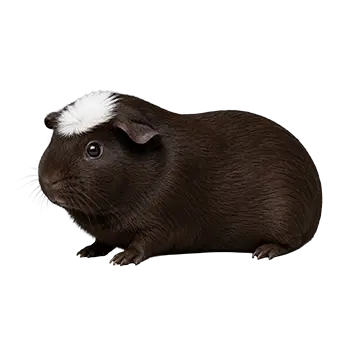

Car travel is the most common and generally the safest mode of transport for White Crested guinea pigs. A secure, well-ventilated carrier is essential for any car journey, whether it is a short trip to the veterinarian or a longer relocation. The carrier should be large enough for the guinea pig to turn around and lie down comfortably, lined with absorbent bedding, and placed on a stable surface where it will not slide or tip during sudden stops.
Temperature regulation is critically important when transporting guinea pigs by car. Guinea pigs are highly sensitive to heat and can suffer from heatstroke at temperatures above eighty degrees Fahrenheit. The vehicle should be air-conditioned in warm weather, and the carrier should never be placed in direct sunlight, even for brief periods. In colder weather, ensuring the car is adequately warmed before placing the guinea pig inside helps prevent stress from temperature shock.
For longer journeys, plan stops every two to three hours to offer fresh water and a small amount of hay or leafy greens. Guinea pigs require a constant supply of vitamin C and fiber, and even short periods without access to hay can cause digestive discomfort. A small water bottle attached to the carrier or a shallow dish of water offered during rest stops will help keep the animal hydrated throughout the trip.
White Crested guinea pigs, like most cavies, tend to be initially nervous in vehicles but often settle once the motion becomes steady. Covering the carrier partially with a light cloth can reduce visual stimulation and help the animal feel more secure. Avoid playing loud music or making sudden movements that could startle the guinea pig, and never leave the animal unattended in a parked vehicle, as temperatures inside a closed car can reach dangerous levels within minutes.