
Species-Specific Legislation

Unlike dogs, which are subject to extensive breed-specific legislation in many jurisdictions, guinea pigs generally face far fewer legal restrictions based on species or breed. Most municipalities classify guinea pigs as small domestic pets and permit their ownership without special licensing or permits. However, owners should be aware that some jurisdictions do impose limits on the number of animals that can be kept in a single household, and these limits may apply to guinea pigs alongside other small pets.

Certain countries and territories have enacted laws that restrict or prohibit the importation and keeping of guinea pigs. Most notably, some island nations with fragile ecosystems have strict controls on non-native animal species to prevent ecological disruption. In these regions, owning a guinea pig may require special permits or may be prohibited entirely, regardless of breed.

Switzerland has taken a distinctive approach to guinea pig welfare legislation by requiring that social animals such as guinea pigs be kept in pairs or groups rather than in isolation. This law reflects scientific understanding of guinea pig social behavior and has been influential in shaping welfare discussions in other European countries, though similar mandates have not been widely adopted elsewhere.

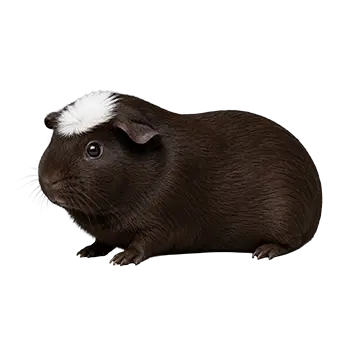
Owners considering acquiring a White Crested guinea pig should research the specific regulations that apply in their locality. Municipal animal ordinances, homeowners association rules, and lease agreements can all impose restrictions that affect guinea pig ownership, and these requirements can vary significantly even between neighboring jurisdictions.

Ownership Requirements

In most jurisdictions, guinea pig ownership does not require licensing, registration, or permits of the kind commonly associated with dog or cat ownership. Guinea pigs are generally classified as small companion animals and are subject to basic animal welfare statutes that require owners to provide adequate food, water, shelter, and veterinary care. These general welfare requirements apply equally to White Crested guinea pigs and all other cavy breeds.

Some regions impose age restrictions on pet purchases, requiring buyers to be at least sixteen or eighteen years old to acquire an animal from a pet store or breeder. In practice, guinea pigs are frequently purchased as family pets for children, with parents serving as the legally responsible owners. Understanding who bears legal responsibility for an animal's welfare is important, as neglect charges can be brought against the adult owner regardless of which family member initiated the purchase.

Breeders who sell White Crested guinea pigs may be subject to additional regulations depending on the scale of their operations. Many jurisdictions distinguish between hobbyist breeders and commercial operations, with the latter requiring business licenses, facility inspections, and compliance with specific animal welfare standards. The threshold between hobbyist and commercial classification varies by location and is typically based on the number of animals kept or the volume of sales conducted.

Prospective owners should also be aware of consumer protection laws that may apply to the purchase of a guinea pig. Some jurisdictions require sellers to provide health guarantees, disclose known medical conditions, or offer return policies. These protections vary widely and may apply differently to pet store purchases, breeder sales, and private rehoming transactions.

Liability & Insurance

While guinea pigs are far less likely to cause injury than larger animals, liability considerations still apply to their ownership. In general, pet owners are legally responsible for any harm or damage their animals cause to other people or their property. In the context of guinea pigs, liability situations most commonly arise from allergic reactions experienced by visitors, minor bite injuries, or property damage caused by chewing.

Homeowners and renters insurance policies typically provide some coverage for pet-related liability, but coverage for exotic or small animals can vary between insurers. Guinea pigs are generally covered under standard pet provisions, but owners should review their policies to confirm that small animal ownership does not trigger exclusions or require additional riders. This is particularly relevant for owners who keep multiple guinea pigs or who operate breeding programs from their homes.

Liability concerns are heightened in certain contexts, such as when guinea pigs are brought into schools, nursing homes, or other institutional settings for educational or therapeutic purposes. Organizations that sponsor animal-assisted activities typically require participants to carry liability insurance and may impose specific requirements regarding the health certification and temperament of participating animals.

In the event that a guinea pig causes injury or an allergic reaction, the legal framework for determining liability generally follows the same principles that apply to other pet ownership situations. Factors such as whether the owner was aware of a propensity to bite, whether the animal was properly supervised, and whether the injured party was lawfully present on the premises can all influence the outcome of a liability claim.

Housing Restrictions

Housing restrictions represent one of the most common legal barriers to guinea pig ownership. While landlords and property managers generally view guinea pigs more favorably than larger pets, many rental agreements include blanket no-pet clauses that encompass all animals regardless of size or species. Prospective tenants who wish to keep a White Crested guinea pig should negotiate pet permissions before signing a lease and obtain any agreements in writing.

Some landlords who prohibit dogs and cats will make exceptions for small caged animals such as guinea pigs, sometimes in exchange for a pet deposit or monthly pet fee. These arrangements should be documented in the lease or in a written addendum to avoid disputes. Tenants who keep guinea pigs in violation of their lease terms risk eviction proceedings and forfeiture of security deposits, even if the animals cause no damage.

Homeowners associations and condominium boards may also impose restrictions on pet ownership that affect guinea pig keepers. These restrictions can include limits on the number of animals, requirements for enclosure types, and prohibitions on breeding. HOA rules carry contractual force and can be enforced through fines and other penalties, making it essential for owners to review governing documents before acquiring animals.

In public and subsidized housing, pet policies are often set by the managing authority and may be more restrictive than private-market norms. Some public housing authorities have adopted pet-friendly policies that accommodate small animals like guinea pigs, while others maintain strict no-pet rules. Residents in these settings should inquire about pet policies with their housing authority and understand the appeals process if a request is initially denied.

It is worth noting that guinea pigs generally do not qualify for the legal protections afforded to service animals or emotional support animals under housing law, though the regulatory landscape around emotional support animals has been evolving and varies by jurisdiction.

Import & Export Regulations

International transport of guinea pigs is subject to a complex web of import and export regulations that vary significantly between countries. Most nations require a veterinary health certificate issued within a specified timeframe before departure, confirming that the animal is free of signs of infectious disease. Some countries impose quarantine periods for imported guinea pigs, during which the animals are held at a government-approved facility for observation.

The European Union maintains relatively standardized import requirements for guinea pigs entering member states from third countries, though specific documentation requirements can vary between national veterinary authorities. The United Kingdom, following its departure from the EU, has established its own import protocols for small animals that differ from EU requirements. Owners planning international moves with a White Crested guinea pig should research destination country requirements well in advance.

Australia and New Zealand maintain some of the strictest biosecurity regulations in the world, and guinea pig importation into these countries is heavily regulated or prohibited. These restrictions reflect the countries' commitment to protecting native ecosystems from introduced species and diseases. Owners relocating to these regions may face the difficult decision of rehoming their guinea pigs rather than attempting importation.

Within countries, interstate or interprovincial transport of guinea pigs is generally unrestricted for personal pet ownership, though breeders and dealers moving animals for commercial purposes may need to comply with additional regulations. USDA regulations in the United States, for example, may apply to dealers who sell guinea pigs across state lines, depending on the volume and nature of their sales activities.

Owners planning any cross-border travel with a White Crested guinea pig should begin researching requirements at least several months before the planned move. Regulations can change with little notice, and the documentation process often involves multiple steps that require time to complete.

Rescue & Welfare Law

Animal welfare laws that protect guinea pigs exist at multiple levels of government, from national statutes to local ordinances. These laws generally establish minimum standards of care, define animal cruelty and neglect, and grant enforcement authority to animal control agencies and humane societies. Guinea pigs, as domesticated companion animals, are covered by these protections in virtually all jurisdictions where pet ownership is legal.

Animal cruelty statutes typically prohibit intentional harm, abandonment, and failure to provide adequate food, water, shelter, and veterinary care. Penalties for violations range from fines to criminal charges, depending on the severity of the offense and the jurisdiction. Hoarding situations involving guinea pigs have been prosecuted under these laws, as the rapid reproduction rate of cavies can quickly lead to overcrowded and unsanitary conditions if breeding is not responsibly managed.

Rescue organizations that take in surrendered or confiscated guinea pigs operate within a legal framework that governs their responsibilities regarding stray holds, adoption procedures, and veterinary care standards. Some jurisdictions require rescue groups to register with state or local authorities, maintain specific facility standards, and keep records of animals in their care. These requirements help ensure accountability and protect the welfare of animals in rescue.

The legal landscape around pet sales has been shifting in many jurisdictions, with some cities and states enacting laws that require pet stores to source animals from shelters and rescues rather than commercial breeders. While these laws have primarily targeted the dog and cat markets, some have been written broadly enough to encompass small animals like guinea pigs. These legislative trends reflect growing public concern about commercial breeding practices and the welfare of animals in the pet trade.

Owners who can no longer care for a White Crested guinea pig have a legal and ethical responsibility to ensure the animal is rehomed responsibly. Abandonment is illegal in most jurisdictions, and surrendering an animal to a rescue organization or finding a qualified private adopter is both the legal and humane course of action.

Always consult a qualified professional before making any health-related decisions. This content is provided for informational reference only and should not replace professional guidance specific to your animal.