
Film & Television

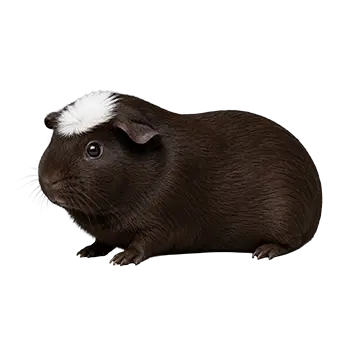
Guinea pigs have enjoyed a number of memorable appearances on screen, and while specific breed identification is not always made explicit in productions, the White Crested's distinctive marking has made it a favored choice for visual media where a photogenic cavy is needed. Animated films and family comedies have featured guinea pig characters that draw on the round, expressive features common to breeds like the White Crested, introducing these animals to wide audiences.

The animated spy adventure film featuring guinea pig secret agents brought global attention to cavies as characters capable of carrying a feature-length story. While the animated characters were stylized rather than breed-specific, the film's promotional materials and merchandise frequently depicted guinea pigs with crested markings, reflecting the breed's visual appeal. The commercial success of the film demonstrated that guinea pigs could anchor mainstream entertainment properties.

Television has also provided a platform for guinea pig visibility. Nature documentaries, children's educational programs, and reality-style pet shows have all featured guinea pigs, often selecting individuals with striking coat patterns for on-camera roles. The White Crested's contrasting crest photographs well under studio lighting, making it a practical choice for producers seeking an attractive animal performer.

Beyond major productions, guinea pigs including White Crested individuals appear regularly in independent short films, student projects, and web series. The accessibility of video production tools has allowed guinea pig enthusiasts to create their own content, and the White Crested's recognizable look ensures it stands out even in amateur productions.

Literature & Art

Guinea pigs have been subjects of literature ranging from children's picture books to natural history texts for centuries. Early European accounts of South American exploration described cavies with fascination, and illustrated natural history volumes from the eighteenth and nineteenth centuries depicted guinea pigs in careful detail. While breed distinctions were not formalized during this period, these early illustrations capture the diversity of coat patterns that would eventually be refined into recognized breeds like the White Crested.

Children's literature has embraced the guinea pig as a relatable, gentle protagonist. Numerous picture books and early readers feature guinea pig characters navigating everyday adventures, and the visual distinctiveness of a crested guinea pig makes it a natural choice for illustrators seeking a character design that is both adorable and immediately identifiable. The white crest serves as a built-in character marker that helps young readers distinguish individual animals in stories featuring multiple cavies.

In the fine arts, guinea pigs appear in still life paintings, folk art, and contemporary illustration. Andean artists have depicted cavies in traditional media for centuries, reflecting the animal's deep cultural roots in South American society. Contemporary pet portrait artists frequently receive commissions for White Crested subjects, with the crest presenting both a challenge and an opportunity to capture the breed's unique charm on canvas or in digital media.

The guinea pig's presence in literature and art, while quieter than that of dogs or cats, reflects a consistent and affectionate cultural relationship. Each new generation of authors and artists who choose to feature cavies in their work helps sustain and expand the guinea pig's place in the broader cultural imagination.

Internet & Social Media

The rise of social media has arguably done more for the guinea pig's cultural profile than any other single development, and the White Crested has been a significant beneficiary of this shift. Platforms built around photo and video sharing are ideally suited to showcasing the breed's photogenic crest, and guinea pig accounts regularly attract followers numbering in the tens of thousands or more. The visual contrast of a bright white rosette against a solid-colored body creates images that perform well in algorithmic feeds.

Guinea pig content on social media spans a wide range, from polished photo shoots and narrated comedy videos to candid clips of daily life. White Crested guinea pigs are frequently featured in side-by-side comparisons with other breeds, in costume photography, and in the popular genre of guinea pig reaction videos where the animals respond to new foods or environments. The breed's naturally expressive face and distinctive headpiece lend themselves to humorous captions and meme formats.

Online communities dedicated to guinea pig care and breeding thrive on forums, social media groups, and dedicated websites. These spaces serve as repositories of breed-specific knowledge, connecting White Crested owners and breeders across geographic boundaries. Discussions range from grooming tips and health advice to show preparation and genetics, creating a rich digital ecosystem around the breed.

The internet has also facilitated guinea pig rescue and adoption networks, with social media posts helping to rehome White Crested guinea pigs and raise awareness of cavy welfare issues. Viral adoption stories and foster updates have proven effective at finding homes for guinea pigs in need, demonstrating the positive potential of online visibility for animal welfare.

Advertising & Branding

Guinea pigs have appeared in advertising campaigns across a variety of industries, capitalizing on their inherent appeal as small, round, and endearing animals. Pet supply companies naturally feature cavies in product marketing, and the White Crested's distinctive look makes it a strong candidate for packaging imagery and promotional photography where brand recognition depends on a memorable animal image.

Beyond the pet industry, guinea pigs have been used in advertisements for insurance companies, technology products, and automotive brands, often cast in humorous roles that play on their reputation for being docile test subjects. While the idiomatic use of "guinea pig" to mean a test subject can be a double-edged sword, advertisers have generally leveraged the association with lighthearted humor rather than negative connotations, and the visual charm of breeds like the White Crested helps keep the tone warm and approachable.

Some pet food and accessory brands have developed mascot characters inspired by crested guinea pig breeds, using the white rosette as a recognizable visual hook in their branding. These mascots appear on packaging, in digital advertising, and at trade shows, reinforcing the connection between the breed's distinctive appearance and consumer products aimed at small animal owners.

The White Crested's advertising appeal rests on the same qualities that make it popular as a pet: it is visually distinctive without being exotic, approachable without being generic, and photogenic in a way that translates across media formats. As the small pet market continues to grow, the breed's presence in commercial media is likely to expand alongside it.

The Popularity Effect

Media exposure has a measurable impact on pet ownership trends, and guinea pigs have experienced surges in popularity following prominent appearances in film, television, and online content. The release of major animated films featuring guinea pig characters has historically correlated with increased interest in guinea pig ownership, with pet retailers and breeders reporting upticks in inquiries and sales in the weeks following such releases.

This popularity effect carries both benefits and risks for breeds like the White Crested. Increased visibility can lead to greater public understanding of guinea pig care requirements, expanded markets for quality supplies and veterinary services, and a larger community of knowledgeable owners. However, impulse purchases driven by media trends can also result in animals being acquired by owners who are unprepared for the commitment of guinea pig care, leading to higher surrender rates at shelters and rescues.

The cavy community has responded to these dynamics with proactive education efforts. Breed clubs, online communities, and rescue organizations work to ensure that media-driven interest is channeled toward responsible ownership. Resources emphasizing the social needs of guinea pigs, their dietary requirements, and their expected lifespan help potential owners make informed decisions rather than impulse purchases.

The White Crested's steady presence across media platforms has contributed to a sustained rather than spike-driven interest in the breed. Unlike some animals that experience dramatic boom-and-bust cycles tied to single media events, the White Crested benefits from a consistent trickle of positive exposure that supports stable demand and a knowledgeable ownership community.

Always consult a qualified professional before making any health-related decisions. This content is provided for informational reference only and should not replace professional guidance specific to your animal.