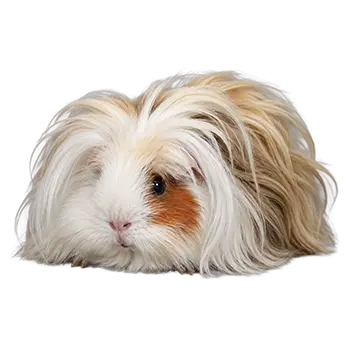

Film & Television

Guinea pigs have made periodic appearances in film and television over the decades, though specific breed identification is often secondary to their general appeal as small, endearing animals. The Texel, with its distinctive curly coat, has occasionally been featured in television segments about unusual pets and exotic animal breeds, where its striking appearance makes for compelling visual content. Nature and lifestyle programs have highlighted the Texel as an example of the remarkable diversity that exists within domesticated guinea pig breeds.

When guinea pigs appear in fictional films and animated features, the characters are sometimes given exaggerated curly or flowing coats that bear a resemblance to the Texel's natural appearance. While these animated representations are rarely identified as a specific breed, the visual influence of curly-coated cavies like the Texel is evident in character designs that emphasize fluffy, voluminous fur as a marker of cuteness and personality.

Documentary-style programming about pet shows and animal competitions has provided some of the most direct screen time for Texels. Segments covering guinea pig exhibitions at county fairs and specialty shows often feature Texels prominently because their grooming routines and show preparation make for engaging television. Viewers are drawn to the contrast between the small size of the animal and the elaborate care that goes into presenting a show-quality Texel.

The breed has also appeared in veterinary education videos and pet care programming, where its grooming requirements are used to illustrate the responsibilities that come with owning long-haired small animals. These appearances serve a practical educational purpose while simultaneously showcasing the beauty of the breed to audiences who may not have previously been aware of the variety that exists among guinea pig breeds.

Literature & Art

Guinea pigs feature in a modest but dedicated body of literature, ranging from children's picture books to detailed breed guides aimed at adult hobbyists. The Texel appears in several comprehensive cavy care manuals, where it is typically highlighted as one of the more visually spectacular long-haired breeds. These references help educate prospective owners about the breed's specific needs and have contributed to growing awareness of the Texel among readers who are researching guinea pig ownership.

In children's literature, guinea pigs often serve as gentle, relatable characters, and authors occasionally describe their fictional cavies with curly or wavy coats that evoke the Texel's appearance. While breed-specific identification is uncommon in books aimed at young readers, the visual archetype of a fluffy, curly guinea pig has become a recognizable trope that owes much to breeds like the Texel and the Merino.

Artists within the guinea pig community have embraced the Texel as a favorite subject for illustration, painting, and digital art. The breed's elaborate curls provide visual complexity that makes it particularly rewarding to render, and Texel portraits are among the most popular commissions requested by guinea pig owners from pet portrait artists. These artworks circulate widely on social media and at cavy shows, further cementing the breed's reputation as one of the most photogenic and artistically inspiring guinea pig varieties.

The Texel has also appeared in craft and fiber arts contexts, where its curly coat draws comparisons to the fleece of Angora rabbits and certain sheep breeds. Some fiber artists have created felted or crocheted representations of Texel guinea pigs, and these handmade items have become popular at craft fairs and in online marketplaces, introducing the breed to audiences beyond the traditional pet-keeping community.

Internet & Social Media

The internet has been transformative for the Texel's visibility and popularity. Social media platforms are home to numerous accounts dedicated to individual Texel guinea pigs, many of which have accumulated thousands of followers. The breed's photogenic curls translate exceptionally well to the visual formats favored by platforms like Instagram, TikTok, and YouTube, where short videos of Texels being groomed, exploring their habitats, or simply sitting with their luxurious coats on display regularly attract enthusiastic engagement.

Grooming content has proven particularly popular for Texel-focused accounts. Time-lapse videos showing a tangled Texel being gently brushed, bathed, and blow-dried into a cloud of perfect ringlets satisfy a widespread appetite for satisfying transformation content. These videos often serve double duty as educational resources, teaching viewers about proper coat care while entertaining them with the visual payoff of a well-groomed Texel.

Online forums and community groups dedicated to guinea pig care frequently feature discussions about the Texel, with experienced owners sharing advice on diet, housing, and health considerations specific to the breed. These digital communities have made expert knowledge accessible to Texel owners regardless of their geographic location, reducing the isolation that breeders and pet owners in less-connected areas might otherwise experience.

The Texel's internet popularity has also had tangible effects on demand for the breed. Breeders report that social media exposure is now one of the primary drivers of inquiries from prospective buyers, and many credit viral posts or popular accounts with introducing their breeding programs to a wider audience. This dynamic has created both opportunities and challenges, as increased demand must be balanced against the need for responsible, health-focused breeding practices.

Advertising & Branding

Guinea pigs appear in advertising less frequently than dogs or cats, but their small size and appealing appearance make them effective in campaigns targeting families, children, and pet product consumers. The Texel's distinctive curly coat gives it a visual uniqueness that makes it a strong candidate for advertisements that need to convey softness, luxury, or whimsy. Pet product companies have occasionally featured Texel-like guinea pigs in packaging and promotional materials for bedding, food, and grooming supplies.

Within the pet industry specifically, the Texel has become something of a brand ambassador for premium grooming products designed for small animals. The breed's intensive grooming needs create a natural association with high-quality shampoos, conditioners, and brushes, and manufacturers have leveraged this association in marketing materials that showcase beautifully groomed Texels alongside their products.

Small businesses within the guinea pig community have also adopted Texel imagery in their branding. Etsy shops selling handmade guinea pig accessories, custom cages, and fleece liners frequently use photographs or illustrations of Texels in their logos and product listings, capitalizing on the breed's visual appeal to attract customers. This grassroots use of Texel imagery reflects the breed's status as a symbol of guinea pig culture at its most enthusiastic and dedicated.

The Texel's recognizability has extended to the broader world of animal-themed merchandise, where its image appears on greeting cards, calendars, mugs, and clothing. These consumer products introduce the breed to people who may have no direct connection to guinea pig ownership, contributing to a general cultural awareness of the Texel as a distinctive and appealing animal.

The Popularity Effect

The Texel's rising profile in media and online spaces has had a measurable impact on demand for the breed and on guinea pig keeping more broadly. Breeders across North America and Europe have reported increased interest in Texels following viral social media moments, with waiting lists growing and prices for show-quality animals reflecting the breed's desirability. This popularity effect mirrors patterns seen in the dog world, where media exposure of a particular breed can drive sharp increases in demand.

However, the popularity effect has also raised concerns within the cavy community about impulse purchases and owner preparedness. The Texel's grooming requirements are substantially greater than those of smooth-coated breeds, and animals acquired by owners who are unprepared for the commitment sometimes end up in rescue organizations. Responsible breeders and breed clubs have responded by emphasizing education and screening in their adoption processes, ensuring that new Texel owners understand the time and effort involved in maintaining a healthy, well-groomed animal.

The breed's popularity has also influenced the development of other curly-coated guinea pig varieties. The success of the Texel has encouraged breeders to experiment with new crosses and coat types, contributing to the ongoing diversification of the cavy fancy. Breeds like the Merino, which combines the Texel's curls with a coronet crest, owe their existence in part to the enthusiasm and infrastructure that the Texel's popularity helped create.

On a broader cultural level, the Texel has contributed to a shift in how guinea pigs are perceived as pets. Where cavies were once considered simple, low-maintenance starter pets, the Texel's grooming demands and show culture have helped reframe guinea pig ownership as a hobby that can be as involved and rewarding as keeping any other companion animal. This perception shift benefits all guinea pig breeds by encouraging more thoughtful, committed ownership across the board.

Always consult a qualified professional before making any health-related decisions. This content is provided for informational reference only and should not replace professional guidance specific to your animal.