
General Ownership Laws

Guinea pigs, including the Texel breed, are legal to own as pets in the vast majority of jurisdictions worldwide. Unlike some exotic or wild-caught animals, domesticated guinea pigs are generally classified as common household pets and do not require special permits or licenses for private ownership. However, the specific regulations governing pet ownership vary considerably between countries, states, provinces, and municipalities, so prospective Texel owners should familiarize themselves with local laws before acquiring an animal.

In many regions, general animal welfare statutes apply to guinea pig ownership. These laws typically require that owners provide adequate food, water, shelter, and veterinary care for their animals. Some jurisdictions have enacted more specific small animal welfare provisions that address cage size minimums, environmental enrichment requirements, and prohibitions against keeping guinea pigs in isolation. Switzerland, for example, has enacted regulations that effectively require guinea pigs to be kept in pairs or groups, recognizing the species' social nature.

Local ordinances may also impose limits on the number of pets that can be kept in a single household. While these limits are more commonly associated with dogs and cats, some municipalities extend them to include small animals such as guinea pigs. Breeders who maintain larger colonies of Texels should be particularly attentive to these regulations, as exceeding local pet limits can result in fines or other enforcement actions.

Zoning regulations can also affect guinea pig ownership, particularly for breeders operating from residential properties. Some areas classify animal breeding as a commercial activity that requires a business license or a zoning variance, even when conducted on a small scale. Texel breeders should verify that their breeding activities comply with local zoning laws to avoid potential legal complications.

Welfare Standards & Requirements

Animal welfare standards for guinea pigs have become increasingly detailed in recent years, reflecting a growing understanding of the species' physical and psychological needs. The European Union and its member states have been at the forefront of this trend, with several countries enacting specific welfare requirements for guinea pig housing, diet, and social companionship. These standards apply to all guinea pig breeds, including the Texel, and set minimum benchmarks that owners are legally obligated to meet.

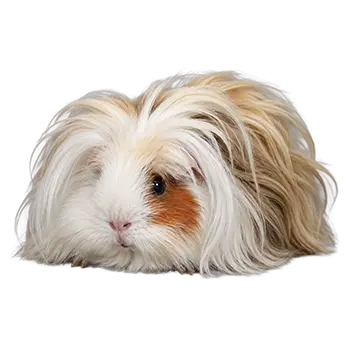
The Texel's long, curly coat introduces additional welfare considerations that owners should be aware of. While no jurisdiction currently mandates specific grooming protocols for long-haired guinea pig breeds, general animal welfare laws that prohibit neglect can be applied in cases where a Texel's coat becomes severely matted, soiled, or infested with parasites due to inadequate grooming. Owners who fail to maintain their Texel's coat in a condition that does not cause the animal distress or health problems could potentially face animal cruelty charges under broadly worded welfare statutes.

Veterinary care requirements also vary by jurisdiction. Some regions mandate that pet owners provide necessary veterinary treatment for sick or injured animals, which means Texel owners may be legally required to seek professional care for common health issues such as skin infections, dental problems, or respiratory illness. The cost of veterinary care for guinea pigs can be significant, particularly for specialized treatments, and prospective owners should factor this into their decision to acquire a Texel.

Animal welfare organizations and guinea pig rescue groups play an important role in monitoring and enforcing welfare standards. These organizations may investigate reports of neglect or mistreatment and work with local authorities to ensure that guinea pigs, including Texels, are kept in conditions that meet or exceed minimum legal requirements.

Liability & Insurance

Liability issues related to guinea pig ownership are relatively uncommon compared to those involving larger companion animals, but they are not entirely absent. In most jurisdictions, pet owners bear some degree of legal responsibility for any harm or damage caused by their animals. While guinea pigs are unlikely to cause serious injury to people, potential liability scenarios include allergic reactions in visitors, property damage from escaped animals, and disputes with neighbors over noise or odor.

Homeowner's and renter's insurance policies typically cover liability arising from pet ownership, but coverage specifics can vary. Some policies exclude certain types of pets or impose limits on the number of animals covered. Texel owners, particularly those who breed or show their animals, should review their insurance policies carefully to ensure that their guinea pig-related activities are covered. Breeders who sell animals may also want to consider additional liability coverage to protect against claims related to the health or condition of sold animals.

For breeders and exhibitors who transport their Texels to shows or events, liability considerations extend to the transportation process and the show venue. Accidents, escapes, or injuries that occur during transport or at a show could potentially give rise to liability claims. Many show-organizing bodies carry their own insurance policies, but individual exhibitors may benefit from understanding what coverage is provided and where gaps might exist.

In some jurisdictions, sellers of animals are subject to consumer protection laws that impose warranties or guarantees on the health and condition of animals at the time of sale. Texel breeders who sell animals should be aware of any such laws in their area and should maintain thorough health records and sales documentation to protect both themselves and their buyers.

Housing Restrictions

Housing restrictions represent one of the most common legal challenges faced by guinea pig owners, particularly renters. Many landlords and property management companies impose pet policies that may prohibit or restrict the keeping of animals in rental units. While these policies are most commonly targeted at dogs and cats, some are broadly worded enough to encompass small animals such as guinea pigs. Prospective Texel owners who rent their homes should review their lease agreements carefully and seek written permission from their landlords before acquiring a guinea pig.

Condominium and homeowner association rules can also affect guinea pig ownership. Some HOAs have specific pet policies that limit the types or numbers of animals that residents may keep, and these policies are generally enforceable as part of the association's governing documents. Texel owners who live in communities governed by an HOA should review the relevant rules and, if necessary, request an exception or amendment to accommodate their guinea pigs.

In some jurisdictions, tenants' rights laws provide protections for pet owners that limit a landlord's ability to prohibit or restrict pet ownership. These protections vary widely in scope and applicability, and they may not always extend to small animals. Texel owners who face housing restrictions should research the specific tenant protections available in their area and consider seeking legal advice if they believe their rights are being unfairly limited.

University and college dormitory policies also frequently restrict or prohibit pets, which can be a consideration for younger Texel owners or students who wish to bring their guinea pigs with them to school. Some institutions make exceptions for small caged animals, but these exceptions are not universal, and students should verify their institution's policy before assuming their Texel will be welcome in their living quarters.

Import & Export Regulations

International transport of guinea pigs, including Texels, is subject to a complex framework of import and export regulations that vary by country. Most nations require health certificates issued by a licensed veterinarian attesting that the animal is free from contagious diseases before allowing entry. Some countries impose quarantine periods for imported guinea pigs, during which the animal must be housed at an approved facility at the owner's expense.

Australia and New Zealand maintain some of the strictest biosecurity regulations in the world, and guinea pigs are subject to significant import restrictions in both countries. Prospective importers must navigate a detailed application process that includes veterinary inspections, laboratory testing, and mandatory quarantine. These requirements are designed to protect the countries' unique ecosystems from introduced diseases and pests, and they apply equally to all guinea pig breeds, including the Texel.

Within the European Union, the movement of guinea pigs between member states is generally easier than international transport, but still requires compliance with EU animal health regulations. Animals must be accompanied by appropriate documentation, and some member states impose additional requirements beyond the EU baseline. Breeders who export Texels within the EU should familiarize themselves with both the EU-wide rules and any country-specific requirements that may apply.

In the United States, the importation of guinea pigs is regulated by the Centers for Disease Control and Prevention and the U.S. Department of Agriculture. While guinea pigs are not subject to the same level of scrutiny as primates or certain other species, importers must still comply with applicable health and documentation requirements. Individual states may also impose their own import regulations, and breeders shipping Texels across state lines should verify compliance with both federal and state rules.

Rescue & Shelter Regulations

Guinea pig rescue organizations operate within a legal framework that varies significantly by jurisdiction. In many areas, animal rescue groups must register with local or state authorities and comply with regulations governing the intake, housing, and adoption of animals. These regulations are designed to ensure that rescue organizations maintain adequate standards of care and operate transparently, and they apply to organizations that handle guinea pigs just as they do to those focused on dogs and cats.

The Texel's grooming requirements can present particular challenges for rescue organizations that take in long-haired guinea pigs. Rescue groups may need to invest in grooming supplies and training to properly care for Texels in their custody, and severely neglected animals may require veterinary attention for skin conditions or other health problems caused by matted or soiled coats. Some rescue organizations specialize in long-haired guinea pig breeds and have developed expertise in rehabilitating and rehoming Texels.

Adoption contracts used by rescue organizations often include terms and conditions that are legally binding on the adopter. These may include requirements for cage size, veterinary care, and spaying or neutering, as well as provisions for the return of the animal if the adopter can no longer provide adequate care. Texel adopters should read these contracts carefully and understand their obligations before completing an adoption.

Surrender laws and procedures also affect Texel owners who find themselves unable to continue caring for their animals. Most jurisdictions provide options for surrendering pets to animal shelters or rescue organizations, and some areas prohibit the abandonment of domesticated animals under penalty of law. Texel owners who need to rehome their animals should explore all available options, including breed-specific rescue groups that may be better equipped to find appropriate new homes for long-haired guinea pigs.

Always consult a qualified professional before making any health-related decisions. This content is provided for informational reference only and should not replace professional guidance specific to your animal.