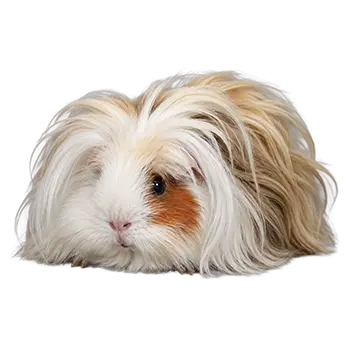

The Texel guinea pig emerged during the late 1980s in England as a crossbreed between the Silkie (also known as the Sheltie) and the Rex guinea pig. Breeders sought to combine the long, flowing coat of the Silkie with the distinctive curly texture of the Rex, producing an entirely new variety with a full coat of corkscrew curls. The resulting breed quickly attracted attention for its striking and unusual appearance, which set it apart from every other recognized cavy variety.
Early breeding programs were largely experimental, with dedicated hobbyists in the United Kingdom carefully selecting for consistent curl pattern, coat density, and overall body conformation. Because the genetics governing curl and coat length are complex and sometimes unpredictable, establishing a reliably reproducing line took considerable effort and patience over multiple generations.
By the early 1990s, the Texel had gained enough consistency in type and appearance to warrant formal consideration by breed registries. The British Cavy Council was among the first organizations to recognize the breed, and this milestone lent the Texel credibility among breeders who had previously viewed it as an experimental novelty. From the United Kingdom, breeding stock was exported to continental Europe, North America, and Australia, where the Texel rapidly gained a following among both show enthusiasts and pet owners.
The development of the Texel also benefited from the broader trend in cavy breeding toward more diverse and visually distinctive varieties. As interest in guinea pig shows grew throughout the 1990s and 2000s, breeders increasingly valued breeds that could stand out on the show bench. The Texel, with its cascading ringlets and soft texture, filled that niche perfectly and helped draw new participants into the hobby.