
Car Travel

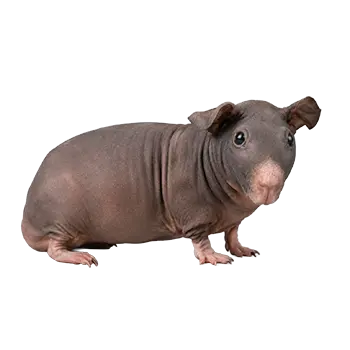
Car travel is the most practical mode of transport for Skinny guinea pigs, offering the greatest degree of environmental control, which is especially important for a hairless breed. A secure, well-ventilated carrier should be used for every car journey, lined with soft fleece bedding rather than wood shavings, as the Skinny's exposed skin is more susceptible to irritation from coarse substrates. The carrier should be placed on a stable, level surface in the vehicle and secured with a seatbelt or wedged into a footwell to prevent sliding during turns and stops.

Temperature management is the single most critical factor when transporting a Skinny guinea pig by car. Without the insulating layer of fur that protects other guinea pig breeds, the Skinny is acutely sensitive to both heat and cold. The vehicle should be climate-controlled to maintain a temperature between sixty-five and seventy-five degrees Fahrenheit throughout the journey. In warm weather, pre-cool the car before loading the guinea pig, and never place the carrier in direct sunlight. In cold weather, warm the vehicle thoroughly and consider placing a fleece snuggle sack inside the carrier for additional insulation.

For longer drives, plan rest stops every two to three hours to check on the guinea pig, offer water, and provide fresh hay or a small portion of leafy greens. Guinea pigs require continuous access to fiber and vitamin C, and skipping meals during travel can cause digestive distress. A small water bottle attached to the carrier or a shallow ceramic dish works well for hydration during stops, though spill-resistant options are preferable while the vehicle is in motion.

Skinny guinea pigs tend to settle into car travel once the initial novelty wears off, but the first few minutes of a journey may involve nervous vocalizations and restless movement. Partially covering the carrier with a light cloth can help reduce visual stimulation and create a feeling of security. Speaking to the guinea pig in calm tones can also help ease anxiety. Owners should never leave a Skinny guinea pig unattended in a parked vehicle under any circumstances, as the breed's temperature sensitivity makes it exceptionally vulnerable to rapid heat buildup.

Air Travel

Air travel with a Skinny guinea pig is significantly more challenging than with furred breeds and should be approached with considerable caution. Most major airlines do not allow guinea pigs in the passenger cabin, and cargo hold transport exposes animals to temperature fluctuations, pressure changes, and noise levels that are particularly hazardous for a hairless breed with limited thermoregulatory ability. Before booking any flight, research airline-specific small animal policies thoroughly, as regulations and restrictions vary widely.

When air travel is permitted and deemed necessary, the guinea pig must travel in an airline-approved carrier that meets specific requirements for size, ventilation, and structural integrity. The carrier should be clearly labeled with the owner's contact information, a live animal designation, and directional arrows. Health certificates issued by a licensed veterinarian within the timeframe specified by the airline and the destination jurisdiction are required in virtually all cases.

The Skinny guinea pig's vulnerability to temperature extremes makes cargo hold travel especially risky. Cargo areas are pressurized and temperature controlled on most modern aircraft, but conditions can vary significantly during loading, taxiing, and ground holds. To mitigate risks, book direct flights whenever possible to minimize transit time, avoid traveling during peak summer or winter months when ground temperatures are most extreme, and request that the airline flag the shipment as a live animal requiring temperature-sensitive handling.

Many experienced Skinny guinea pig owners and exotic animal veterinarians recommend avoiding air travel entirely when ground transport is feasible. For long-distance relocations where flying is unavoidable, consulting with an exotic animal veterinarian about pre-travel health assessments and stress reduction measures is strongly advised. Professional pet transport services that specialize in small and exotic animals offer another option, as these companies have experience navigating airline requirements and managing the logistical challenges of live animal air freight.

Pet-Friendly Accommodations

Finding accommodations that welcome a Skinny guinea pig requires advance research and direct communication with property managers. Many hotels and vacation rentals advertise pet-friendly policies that are limited to dogs and cats, making it essential to confirm that small caged animals are accepted before booking. The Skinny's unusual appearance may prompt additional questions from accommodation staff, so being prepared to describe the breed and explain its housing requirements can smooth the check-in process.

Vacation rental platforms often provide more flexibility than traditional hotels, as private property owners may be more willing to accommodate an animal that will remain in an enclosed habitat throughout the stay. When negotiating with property owners, emphasize that the guinea pig will be cage-contained, that it produces minimal noise, and that appropriate measures will be taken to protect the property. Offering a refundable pet deposit or agreeing to specific terms in writing can help reassure hesitant hosts.

Setting up a comfortable temporary habitat is critical when traveling with a Skinny guinea pig. Bring the guinea pig's regular cage or a suitable travel enclosure, along with familiar fleece bedding, a water bottle, food, hay, and any skin care supplies the animal requires. Place the enclosure in a quiet area of the room, away from drafty windows, heating vents, and air conditioning units, as the Skinny's lack of fur makes it especially sensitive to ambient temperature variations and direct airflow.

For owners who travel regularly to cavy shows or guinea pig meetups with their Skinny, building a network of trusted, guinea-pig-friendly accommodations along common routes saves significant time and stress. Fellow exhibitors within the cavy show community are often the best source of recommendations, having vetted accommodations through firsthand experience. Some show venues are located near hotels that have developed ongoing relationships with the cavy community and are accustomed to hosting guests with small animal companions.

Boarding & Pet Sitting

Arranging care for a Skinny guinea pig during an owner's absence requires more effort than finding a sitter for a furred breed, as the Skinny's specialized care needs demand a caretaker with specific knowledge and attention to detail. The ideal boarding arrangement or pet sitter should be familiar with hairless guinea pig husbandry, including temperature management, skin monitoring, and the breed's higher caloric requirements compared to furred cavies.

Specialized small animal boarding facilities that have experience with guinea pigs are the safest option for owners who cannot find a qualified in-home sitter. When evaluating a boarding facility, inquire about their experience with hairless guinea pig breeds specifically, how they maintain ambient temperatures in housing areas, their feeding and health monitoring protocols, and how they separate guinea pigs from potential predator species such as cats, dogs, and ferrets.

In-home pet sitting is often the least stressful option for Skinny guinea pigs, as the animals can remain in their established habitat with its familiar temperature settings, bedding, and surroundings. When hiring a pet sitter, provide comprehensive written instructions covering feeding schedules and quantities, hay and fresh vegetable routines, water bottle maintenance, cage cleaning frequency, skin care protocols, signs of illness or temperature stress, and emergency veterinary contact information. A trial visit before departure allows the sitter to practice the care routine under the owner's supervision.

Fellow Skinny guinea pig owners within the local cavy community represent an excellent pool of potential pet sitters, as they already possess the breed-specific knowledge needed to provide competent care. Many guinea pig communities facilitate reciprocal sitting arrangements in which experienced owners take turns caring for each other's animals during travel. These arrangements provide peace of mind that a general pet sitter may not be able to offer, given the Skinny's unique requirements.

Emergency Preparedness

Emergency preparedness takes on heightened importance for Skinny guinea pig owners, as the breed's hairless condition makes it more vulnerable to environmental disruptions than furred guinea pigs. Power outages, natural disasters, and forced evacuations can all compromise the controlled environment that a Skinny guinea pig depends on for comfort and survival. Having a well-stocked emergency kit and a clear action plan can make the difference between a manageable disruption and a life-threatening crisis for a hairless cavy.

A Skinny guinea pig emergency kit should include a secure portable carrier lined with fleece, a three-day supply of pellets and hay, bottled water, a water bottle or dish, vitamin C supplements, skin-safe moisturizer, a small fleece blanket or snuggle sack for warmth, a basic first aid kit, copies of veterinary records, and contact information for the regular veterinarian and the nearest emergency exotic animal clinic. Store the kit in an accessible location and check it periodically to replace expired supplies.

Power outages present the most immediate threat to Skinny guinea pigs, as loss of heating or cooling can quickly push ambient temperatures outside the safe range for a hairless animal. In cold weather emergencies, wrapping the guinea pig in fleece, using hand warmers enclosed in cloth placed near but not inside the enclosure, and moving the cage to the warmest room in the house can help maintain body temperature. In hot weather, placing frozen water bottles wrapped in cloth near the cage and moving the enclosure to the coolest, most shaded area of the home can provide temporary relief.

Evacuation planning should include provisions for the Skinny guinea pig alongside those for human family members. Identify in advance which local emergency shelters accept pets, and maintain a list of friends, family, or boarding facilities outside the immediate area that could provide temporary housing. During severe weather events, move the guinea pig's enclosure to an interior room away from windows before conditions deteriorate, and be prepared to transport the animal in its carrier at short notice.

Owners in regions prone to specific natural disasters should tailor their preparedness plans to local risks. In flood-prone areas, store emergency supplies in elevated locations and pre-plan evacuation routes that account for road closures. In earthquake zones, secure the guinea pig's cage against toppling and store the emergency kit where it will remain accessible even if the home sustains structural damage. Regardless of geography, the fundamental principle is the same: plan ahead so that protecting the Skinny guinea pig is a matter of executing a prepared plan rather than improvising under pressure.

Always consult a qualified professional before making any health-related decisions. This content is provided for informational reference only and should not replace professional guidance specific to your animal.