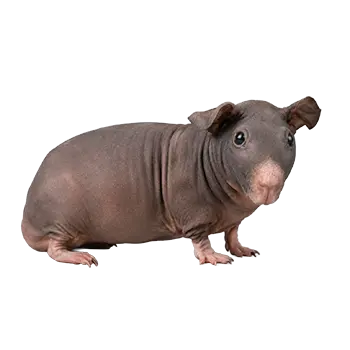

Skinny guinea pigs are subject to the same general legal framework that governs the ownership of all domestic guinea pigs. In most jurisdictions, guinea pigs are classified as small companion animals and can be owned without special permits, licenses, or registration. However, the Skinny's unusual hairless appearance has occasionally raised questions from landlords, neighbors, and even animal control officers unfamiliar with the breed, making it useful for owners to be able to explain the breed's domestic status when necessary.
Some jurisdictions impose limits on the total number of animals that can be kept in a single household, and these limits typically apply to guinea pigs alongside other small pets. Owners who keep multiple Skinny guinea pigs, whether as pets or as part of a breeding program, should verify that their collection does not exceed local animal quantity limits. These regulations are generally enforced at the municipal level and can vary significantly between neighboring communities.
Certain countries and territories restrict or prohibit the importation of guinea pigs as part of broader biosecurity measures designed to protect native ecosystems. These restrictions apply equally to all guinea pig breeds, including the Skinny. Notably, some island nations with fragile ecological balances maintain strict controls on non-native species, and guinea pigs may be prohibited or require extensive permitting in these jurisdictions.
Switzerland's animal welfare legislation, which requires social animals like guinea pigs to be kept in pairs or groups rather than in isolation, applies to Skinny guinea pigs just as it does to furred breeds. This law recognizes the social nature of cavies and mandates that owners provide companionship for their animals. While similar mandates have not been widely adopted outside Switzerland, the principle has influenced welfare discussions and voluntary care standards in other countries.