
Car Travel

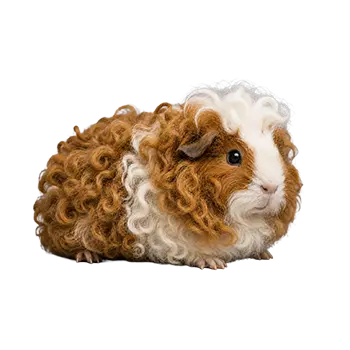
Car travel is the most common and generally the least stressful mode of transport for Merino guinea pigs. A secure, well-ventilated carrier is essential, and the carrier should be large enough for the guinea pig to turn around comfortably but not so large that the animal slides during turns and stops. Lining the carrier with absorbent fleece or paper-based bedding helps keep the Merino's curly coat clean and dry during the journey.

Temperature management is critical when traveling by car with guinea pigs. Merinos, like all cavies, are highly sensitive to heat and can suffer from heatstroke if exposed to temperatures above approximately 80 degrees Fahrenheit. The car's climate control should be set to maintain a comfortable temperature range, and the carrier should never be placed in direct sunlight. During warmer months, a small frozen water bottle wrapped in a cloth can be placed near the carrier to provide a cooling option without risk of direct contact.

For longer drives, plan stops every two to three hours to offer fresh water and a small amount of hay or vegetables. Guinea pigs are grazing animals and benefit from consistent access to food, especially timothy hay, which also provides the fiber necessary for healthy digestion. Avoid opening the carrier in unfamiliar outdoor environments where the guinea pig could escape or be exposed to predators or parasites.

The Merino's long curly coat introduces a specific travel consideration: bedding material can become entangled in the curls during a bumpy ride. Using smooth fleece liners rather than loose shavings or straw minimizes the risk of coat tangling and reduces the post-travel grooming workload. A brief brushing session after arrival helps remove any debris and allows you to check the coat for mats that may have formed during transit.

Air Travel

Air travel with guinea pigs is significantly more complex than car travel and requires careful advance planning. Most major airlines do not permit guinea pigs in the passenger cabin, and policies vary widely between carriers. A small number of airlines allow guinea pigs as carry-on pets in approved soft-sided carriers that fit under the seat, but these policies change frequently and must be confirmed directly with the airline well before the travel date.

When cabin transport is not available, cargo hold shipping is sometimes an option, though it carries greater risk due to temperature fluctuations, noise, and the stress of being separated from a familiar handler. Guinea pigs are sensitive to extreme temperatures, and most airlines impose temperature-based embargoes that restrict live animal shipments when ground temperatures at either the departure or arrival airport fall outside a safe range. These embargoes are designed to protect the animal but can make scheduling unpredictable.

For Merino guinea pigs specifically, the stress of air travel can have visible effects on the coat. Stress-related shedding or coat condition changes may occur in the days following a flight, and the confined quarters of a travel carrier make it difficult to prevent the curly coat from becoming compressed or tangled. Owners who must fly with their Merinos should plan for a thorough grooming session upon arrival and should monitor the animal closely for signs of stress or illness in the subsequent days.

International flights introduce additional layers of complexity, including health certificate requirements, import permits, and potential quarantine upon arrival. These requirements vary by destination country and can take weeks or months to arrange. Owners considering international air travel with a Merino should consult with both the airline and the destination country's agricultural or veterinary authority to ensure full compliance with all applicable regulations.

Pet-Friendly Accommodations

Finding pet-friendly accommodations for guinea pig owners can be more challenging than expected, as many hotels and vacation rentals that welcome dogs and cats do not explicitly include small animals in their pet policies. When booking lodging, it is important to contact the property directly and confirm that guinea pigs are permitted, as online pet policy descriptions often lack the specificity needed to determine whether small caged animals are included.

Some hotel chains and independent properties are receptive to guinea pig guests, particularly when the owner can demonstrate that the animal will remain in a carrier or cage and will not cause damage to the room. Offering to pay a pet deposit or cleaning fee can help ease concerns from property managers who are unfamiliar with guinea pig ownership. Bringing your own protective floor covering to place under the cage area demonstrates responsibility and can make a positive impression.

Vacation rental platforms offer another option, and private home rentals are often more flexible about small animal guests than traditional hotels. Communicating clearly with the host about the type of animal, its housing setup, and your cleaning plans helps establish expectations and reduces the risk of misunderstandings upon arrival. Some hosts who have experience with small animal pets may even welcome guinea pigs enthusiastically.

When staying away from home with a Merino, maintaining the regular grooming routine is important. Pack a travel grooming kit that includes a suitable brush, a small pair of grooming scissors, nail clippers, and any coat care products you use regularly. Consistency in grooming helps prevent the coat from deteriorating during the trip and keeps the guinea pig comfortable in an unfamiliar environment.

Boarding & Pet Sitting

For trips where bringing the Merino along is impractical, boarding facilities and pet sitters provide alternatives. However, not all boarding facilities accept guinea pigs, and those that do may lack experience with the specific needs of curly-coated breeds. When evaluating a boarding option, ask about the facility's experience with guinea pigs, the size and type of enclosures used, the diet provided, and the ambient temperature and ventilation in the small animal area.

Pet sitters who come to the owner's home offer a less disruptive option for guinea pigs, which are creatures of habit that can become stressed by changes in environment. A pet sitter who visits the home to provide food, water, cage cleaning, and social interaction allows the Merino to remain in its familiar surroundings. For Merinos specifically, the sitter should be briefed on the breed's grooming requirements and given clear instructions on how to brush the coat and check for mats during the owner's absence.

Online platforms that connect pet owners with local sitters have made it easier to find individuals with small animal experience. Reading reviews, conducting in-person interviews, and arranging trial visits before the actual boarding period are all recommended steps. For a Merino, a sitter who is comfortable handling long-haired guinea pigs and who understands the importance of regular grooming will provide a significantly better standard of care than one who is unfamiliar with the breed.

Whichever boarding or sitting arrangement is chosen, leaving detailed written care instructions is essential. These should cover feeding schedules and food types, hay and water requirements, cage cleaning frequency, grooming steps, signs of illness to watch for, and emergency veterinary contact information. For Merinos, include specific notes about coat care and any areas of the body that are prone to matting, so the caretaker can focus attention where it is most needed.

Emergency Preparedness

Emergency preparedness for guinea pig owners involves planning for scenarios such as natural disasters, power outages, and urgent evacuations. Having a ready-to-go emergency kit for the Merino ensures that the animal can be moved quickly and safely when time is limited. The kit should include a secure carrier, a supply of hay and pellets sufficient for at least three days, bottled water, a fleece liner or bedding, a small first aid kit, and copies of any relevant veterinary records.

Temperature control is a primary concern during emergencies, as guinea pigs cannot tolerate extreme heat or cold. In the event of a power outage during summer, move the guinea pig to the coolest room in the house and use frozen water bottles wrapped in cloth to help regulate the carrier temperature. During winter power outages, wrap the carrier with blankets to retain heat, and consider keeping the guinea pig close to your own body warmth if ambient temperatures drop dangerously low.

Evacuation planning should account for the guinea pig's needs alongside those of human household members. Identify pet-friendly emergency shelters in your area in advance, and have a list of friends, family members, or cavy community contacts who could provide temporary housing if shelters are not available or do not accept small animals. Many emergency management agencies maintain lists of pet-friendly evacuation resources, and consulting these resources before an emergency strikes is far more effective than searching during a crisis.

For Merino guinea pigs, emergency preparedness also means having basic grooming supplies in the emergency kit. While grooming may seem like a low priority during a crisis, a Merino's coat can mat quickly without regular attention, and mats left untreated can lead to skin irritation and discomfort. A small brush and a pair of grooming scissors take up minimal space in the kit and allow the owner to maintain basic coat care even under difficult circumstances.

Always consult a qualified professional before making any health-related decisions. This content is provided for informational reference only and should not replace professional guidance specific to your animal.