
Origins & Development

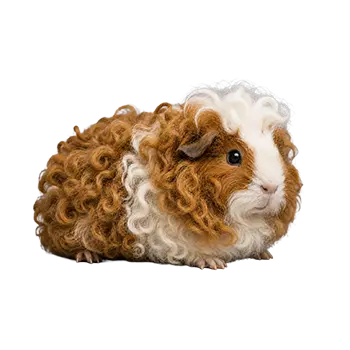
The Merino guinea pig is a relatively modern breed that emerged from deliberate crossbreeding programs aimed at combining the curly coat of the Texel with the distinctive crest of the Coronet. Breeders in Europe, particularly in England and the Netherlands, are widely credited with refining the breed during the late twentieth century. The goal was to produce a guinea pig with a dense, tightly curled coat across its entire body while also exhibiting a well-formed rosette or coronet on the top of the head.

Selective breeding required patience and a deep understanding of cavy genetics, as achieving a consistent curl pattern alongside a symmetrical crest proved challenging. Early litters often displayed uneven coat textures or poorly defined crests, and breeders spent years stabilizing the desired traits. The Texel provided the foundation for the curly coat gene, while the Coronet contributed the single-rosette crest that sits prominently on the forehead.

As the breed became more consistent in appearance, Merino guinea pigs began appearing at specialty shows in Europe during the 1990s and early 2000s. Their striking look attracted attention from both exhibitors and pet owners, and breeding programs expanded beyond Europe to include enthusiasts in Australia, North America, and parts of Asia. The Merino remains less common than many other guinea pig breeds, which has contributed to its reputation as a somewhat exclusive and highly prized variety.

The name Merino is borrowed from the Merino sheep, whose famously fine and crimped wool bears a visual resemblance to the guinea pig's curly coat. This naming convention reflects a broader tradition in cavy breeding where breed names often reference the texture or character of the animal's fur, drawing comparisons to other well-known fiber-producing animals.

Historical Roles

Guinea pigs as a species have a long history of domestication stretching back thousands of years to the Andean highlands of South America, where indigenous peoples kept them primarily as a food source and for ceremonial purposes. The Merino, as a modern designer breed, does not share directly in that ancient utilitarian history, but it inherits the docile temperament and adaptability that millennia of domestication instilled in the species as a whole.

In the context of modern cavy culture, the Merino's primary role has been as a companion animal and exhibition breed. Its elaborate coat makes it a standout in the show ring, and breeders have long valued the Merino for its potential to demonstrate mastery of selective breeding techniques. Producing a Merino with a perfectly uniform curl pattern, correct crest placement, and good overall body condition is considered a significant achievement among cavy fanciers.

The breed has also played a minor but notable role in advancing understanding of coat genetics in guinea pigs. The interplay between the curly coat gene and the crest gene in Merinos has provided hobbyist breeders and geneticists with practical examples of how multiple coat traits can be combined and stabilized across generations. This has informed breeding strategies for other curly-coated and crested varieties as well.

Beyond the show ring, Merinos have found a niche as therapy and emotional support animals in some settings. Their calm demeanor and visually appealing appearance make them engaging companions in assisted-living facilities and school programs, where their unusual coat often sparks curiosity and conversation among participants.

Cultural Symbolism

The Merino guinea pig occupies a special place in the broader culture of cavy keeping, where it is often regarded as one of the more glamorous and aspirational breeds. Owning and caring for a Merino signals a certain level of dedication, as the breed's long curly coat demands regular grooming and attentive husbandry. Among cavy enthusiasts, the Merino is sometimes seen as a breed for experienced keepers who have graduated from shorter-coated varieties.

In online cavy communities, the Merino has become something of a symbol of aesthetic appreciation within the hobby. Photographs of well-groomed Merinos frequently circulate on social media platforms, where their cloud-like curls draw admiration from pet owners and non-owners alike. This visibility has helped elevate the guinea pig's image more broadly, pushing back against the perception that cavies are simple or unremarkable pets.

The breed's name itself carries cultural weight, evoking associations with luxury textiles and fine craftsmanship. Just as Merino wool is prized in the fashion industry for its softness and quality, the Merino guinea pig is valued for its exceptionally textured coat. This parallel has not been lost on breeders and enthusiasts, who sometimes lean into the association when promoting the breed at shows and in educational materials.

In some artistic and craft communities, the Merino guinea pig has inspired fiber arts projects and illustrations that celebrate its unique appearance. Needle-felted and crocheted representations of Merino guinea pigs have become popular items at craft fairs and on handmade goods marketplaces, reflecting the breed's crossover appeal beyond the traditional pet-keeping world.

Breed Clubs & Standards

Recognition of the Merino guinea pig varies significantly across national and international cavy organizations. In the United Kingdom, the British Cavy Council has recognized the Merino as a distinct breed, and it is shown under specific standards that evaluate coat curl density, crest formation, body shape, and overall condition. The breed standard typically calls for a compact body, a well-defined single crest centered on the forehead, and a coat of tight, even curls that covers the entire body without bare patches.

In the United States, the American Cavy Breeders Association does not currently recognize the Merino as an official breed for competition, though it may be shown in miscellaneous or specialty classes at certain events. This lack of formal recognition has not prevented American breeders from developing strong Merino breeding programs, and many work toward the European standards while advocating for eventual recognition domestically.

Australian cavy organizations have been more receptive to the Merino, and the breed enjoys formal recognition in several state-level cavy councils. Australian breeders have contributed significantly to the development and refinement of the Merino, and the country's show circuit regularly features competitive Merino classes that draw high-quality entries.

Breed clubs dedicated specifically to curly-coated guinea pig varieties, including the Merino, exist in several countries. These clubs serve as hubs for sharing breeding knowledge, coordinating health initiatives, and mentoring newcomers to the breed. They also play a critical role in maintaining and updating breed standards as the Merino continues to evolve under selective breeding pressure.

The Breed Today

The Merino guinea pig today enjoys a growing following among cavy enthusiasts worldwide, though it remains a comparatively rare breed. Its popularity has been boosted considerably by social media, where striking photographs and videos of Merinos have introduced the breed to audiences far beyond the traditional show circuit. Many people encounter the Merino for the first time through viral posts highlighting its distinctive curly coat and endearing crest.

Breeding programs continue to refine the Merino's physical characteristics, with particular attention paid to coat uniformity and crest symmetry. Some breeders are also working to expand the range of recognized colors and patterns within the breed, adding variety while maintaining the essential curly-coated and crested traits. Common colorations include solid whites, creams, and golden shades, as well as various multicolored patterns.

The Merino's grooming requirements remain a defining aspect of ownership. Unlike short-coated guinea pigs that need minimal coat maintenance, Merinos require regular brushing and occasional trimming to prevent matting and to keep the coat clean and comfortable. This grooming commitment is part of the breed's appeal for owners who enjoy the hands-on aspect of pet care, but it also means the Merino is not always recommended for first-time guinea pig owners.

Availability of Merinos varies by region. In countries where the breed is formally recognized and actively shown, finding reputable breeders is relatively straightforward. In areas where the breed lacks official recognition, prospective owners may need to seek out specialty breeders or consider importing from established breeding programs abroad, which introduces additional cost and logistical considerations.

Notable Individuals

While individual guinea pigs rarely achieve the kind of widespread fame associated with notable dogs or horses, a number of Merino guinea pigs have gained recognition within the cavy community and on social media. Show-winning Merinos have earned best-in-show honors at major cavy exhibitions in the United Kingdom, Australia, and continental Europe, with their owners and breeders recognized for the quality of their breeding programs.

On social media platforms, several Merino guinea pigs have amassed substantial followings. These online-famous Merinos often serve as breed ambassadors, introducing thousands of followers to the breed's unique characteristics and care requirements. Their owners frequently use these platforms to share grooming routines, dietary tips, and general cavy care information, creating educational content alongside the entertaining photographs and videos.

In the breeding world, certain Merino lines have become well known for producing consistently high-quality offspring. Breeders who have developed these lines are respected figures within the cavy community, and their animals are sought after by both exhibitors and pet owners looking for well-bred Merinos with sound temperaments and correct physical traits.

The Merino has also appeared in small animal rescue contexts, where surrendered or abandoned curly-coated guinea pigs have found new homes through dedicated cavy rescue organizations. These rescue Merinos sometimes gain attention for their dramatic before-and-after grooming transformations, highlighting both the breed's beauty when properly cared for and the consequences of neglect when grooming needs go unmet.

Always consult a qualified professional before making any health-related decisions. This content is provided for informational reference only and should not replace professional guidance specific to your animal.