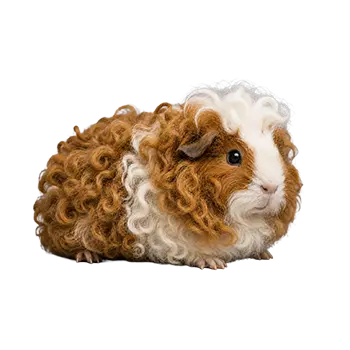

Guinea pig ownership is generally permitted in most jurisdictions without the need for special permits or licenses, and the Merino is no exception. Unlike certain exotic pets that require specific authorization, guinea pigs are classified as domesticated companion animals in most countries, making them broadly accessible to prospective owners. However, local regulations can vary, and it is always wise to verify municipal and county-level rules before acquiring any pet.
Some jurisdictions impose minimum care standards for small animals, including guinea pigs. These standards may address enclosure size, access to food and water, veterinary care obligations, and general welfare requirements. In Switzerland, for example, legislation requires that guinea pigs be kept in pairs or groups due to their social nature, a regulation that applies equally to all breeds including the Merino. Similar welfare-oriented ownership requirements exist in parts of the European Union and are increasingly being discussed in other regions.
Age restrictions on pet purchases may also apply. Many retailers and breeders will not sell guinea pigs to minors without parental consent, and some jurisdictions codify this practice into law. These rules are intended to ensure that an adult is prepared to take responsibility for the animal's ongoing care, including the specialized grooming that a Merino requires.
Prospective Merino owners should also be aware that homeowner association rules, condominium bylaws, and rental agreements may restrict or regulate pet ownership independently of government legislation. Even where guinea pigs are fully legal, private agreements can impose limits on the number or type of animals permitted in a residence. Reviewing these agreements before bringing a Merino home can prevent conflicts and potential rehoming situations.