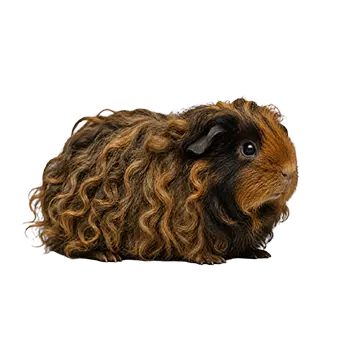

Car Travel

Car travel is the most common and generally the safest mode of transport for Lunkarya guinea pigs, offering owners direct control over temperature, noise levels, and the animal's environment throughout the journey. The Lunkarya's dense, curly coat provides some natural insulation, but the breed remains sensitive to temperature extremes, and the vehicle cabin should be maintained between 65 and 75 degrees Fahrenheit for the duration of the trip. Avoid directing air conditioning vents toward the carrier, as cold drafts can chill a guinea pig quickly.

A secure, well-ventilated carrier is essential for car travel. Choose a carrier with a solid base and adequate ventilation openings that prevent drafts while allowing fresh air circulation. Line the bottom with soft fleece bedding that will cushion the animal during transit and absorb any moisture. For Lunkaryas, it is important to ensure that no part of the carrier's interior can snag or pull on the coat, as the long curls can catch on wire mesh, rough edges, or protruding fasteners. Smooth-sided plastic carriers with ventilation holes are generally the safest choice.

Secure the carrier on a level surface within the vehicle, ideally on the rear seat or in the footwell behind the front seats, and use a seatbelt or restraint strap to prevent movement during sudden stops or turns. Never place the carrier in the trunk, where temperature extremes, exhaust fumes, and lack of visibility make conditions unsafe. Position the carrier away from direct sunlight, and use window shades if necessary to prevent the sun from heating the carrier's interior.

For longer journeys, plan rest stops every two to three hours to check on your Lunkarya, offer fresh water and hay, and assess the animal's overall condition. Guinea pigs cannot go extended periods without eating, and the stress of travel may suppress appetite, making regular feeding opportunities especially important. Bring a small supply of favorite vegetables as treats to encourage eating, and offer water from a familiar bottle or dish. After arrival, allow the Lunkarya time to settle in a quiet, temperature-stable environment before handling or introducing it to new surroundings.

Air Travel

Air travel with a Lunkarya guinea pig is challenging and requires extensive advance planning. Most commercial airlines have restrictive policies regarding small animals, and guinea pigs are frequently excluded from cabin travel even when dogs and cats are permitted. Policies vary significantly between airlines and change frequently, so it is essential to contact the airline directly well in advance of your travel date to confirm whether guinea pigs are accepted, what carrier dimensions are required, and what documentation must be presented.

If cabin travel is permitted, use an airline-approved carrier that fits under the seat in front of you and provides adequate ventilation and security. Line the carrier with absorbent, soft bedding and include a small supply of hay for the animal to eat during the flight. The Lunkarya's long coat may make the animal appear larger than it actually is, so ensure that the carrier provides enough interior space for the guinea pig to turn around and lie down comfortably without the coat being compressed against the carrier walls.

Cargo transport is generally not recommended for guinea pigs and should be considered only as a last resort. Cargo holds, even those designated as climate-controlled, are subject to temperature fluctuations, pressure changes, noise, and extended periods without human monitoring. These conditions are stressful for any guinea pig and can be dangerous for an animal already coping with the disorientation of air travel. If cargo transport is unavoidable, inquire about climate-controlled hold options, avoid travel during extreme weather, and ensure the carrier is clearly labeled with handling instructions and contact information.

International air travel introduces additional complexity in the form of health documentation, import permits, and potential quarantine requirements at the destination. A veterinary health certificate issued within the required timeframe is standard, and some countries impose additional testing or treatment requirements. Begin the documentation process well in advance, as obtaining the necessary certificates and clearances can take weeks. Failure to present complete documentation can result in the animal being denied boarding, quarantined upon arrival, or returned to the point of origin.

Pet-Friendly Accommodations

Finding pet-friendly accommodations for a Lunkarya guinea pig is generally easier than for larger pets, as guinea pigs are quiet, contained, and pose little risk of property damage. However, not all hotels and rental properties that advertise themselves as pet-friendly include small caged animals in their pet policies, and it is important to confirm acceptance directly with the property before booking. Phone calls or emails that specify the type and size of the animal are more reliable than general online listings.

When traveling with your Lunkarya, bring a portable enclosure or travel habitat that provides adequate space for the animal to move, eat, and rest comfortably. The Lunkarya's long coat requires a clean environment to prevent matting and soiling, so pack extra bedding and plan to change it at least once daily during your stay. Set up the enclosure in a quiet area of the room, away from heating and cooling vents, windows, and high-traffic zones, to maintain a stable temperature and minimize stress.

Grooming supplies are an essential part of the travel kit for Lunkarya owners. The breed's dense curls can accumulate bedding debris, hay fragments, and other particles during travel, and regular grooming sessions will keep the coat clean and comfortable. Pack a wide-toothed comb or detangling brush, grooming scissors for trimming any matted areas, and a small container of safe bedding material. A brief daily grooming session during travel will prevent minor tangles from developing into significant mats.

Inform the accommodation's front desk or management that you are traveling with a small pet, and provide a brief description of the animal to prevent any surprise or concern from housekeeping staff. A note near the enclosure identifying the animal and providing your contact information is a thoughtful precaution. Most housekeeping staff will appreciate the heads-up and may be willing to adjust their cleaning schedule to minimize disturbance to your Lunkarya during your stay.

Boarding & Pet Sitting

Arranging appropriate boarding or pet sitting for a Lunkarya guinea pig requires finding a caretaker who understands both general guinea pig care and the specific demands of a long-coated breed. The Lunkarya's curly coat requires regular attention to prevent matting, and a caretaker unfamiliar with long-haired guinea pigs may inadvertently allow the coat to deteriorate during even a short boarding period. Identifying a qualified caretaker before the need arises is one of the most important preparatory steps a Lunkarya owner can take.

The ideal caretaker is someone with direct experience caring for long-haired guinea pigs or, at minimum, a willing and responsible individual who can follow detailed care instructions. Provide comprehensive written guidelines covering feeding schedules, water bottle maintenance, enclosure cleaning frequency, and grooming procedures. Include photographs or videos demonstrating proper grooming technique for the Lunkarya coat, and schedule a hands-on training session before your departure so the caretaker can practice under your guidance.

Professional small-animal boarding facilities are available in some areas and can be a good option for Lunkarya owners who travel regularly. When evaluating a boarding facility, ask about their experience with guinea pigs, their grooming capabilities, enclosure sizes, temperature control, and the level of individual attention each animal receives. A facility visit is strongly recommended, and you should observe the conditions in which animals are housed and handled before committing to a booking.

In-home pet sitting, where the caretaker visits or stays in your home while you are away, is often the least disruptive option for guinea pigs. Lunkaryas that remain in their familiar enclosure with their established cage mates will experience less stress than those transported to an unfamiliar environment. If in-home sitting is not available, transport the Lunkarya to the boarding location with its own bedding, hay, food, and any comfort items from home to ease the transition. A familiar fleece blanket or hiding house can provide significant comfort in a new setting.

Emergency Preparedness

Emergency preparedness for Lunkarya guinea pig owners involves planning for natural disasters, household emergencies, and unexpected situations that may require rapid evacuation or extended disruption of normal routines. Because guinea pigs are entirely dependent on their owners for food, water, shelter, and environmental control, a well-prepared emergency plan can be the difference between a manageable situation and a crisis.

Assemble an emergency kit specifically for your Lunkarya that includes a portable carrier, a minimum three-day supply of hay, pellets, and vitamin C supplements, a water bottle or dish, fleece bedding, grooming tools, and any medications the animal currently takes. For Lunkaryas, include a small comb or brush and a pair of grooming scissors in the kit, as neglected coats can mat quickly under stressful conditions where normal grooming routines are disrupted. Store the kit in an accessible location and review its contents regularly to replace expired items.

Identify at least two emergency sheltering options for your Lunkarya in case your home becomes uninhabitable. Not all public emergency shelters accept pets, and those that do may not be equipped to house small animals with specific care requirements. Contact local veterinary clinics, guinea pig rescues, and fellow cavy owners in advance to establish a network of potential emergency hosts. Reciprocal arrangements with other guinea pig owners, where each party agrees to house the other's animals in an emergency, are particularly effective and build community resilience.

Develop and practice an evacuation procedure that includes your Lunkarya. Know how long it takes to secure the animal in its carrier, gather the emergency kit, and load everything into your vehicle. In a time-sensitive evacuation, these steps need to be completed quickly and calmly. Keep the carrier and emergency kit near each other and near an exit point. If you live in an area prone to specific natural hazards such as flooding, wildfires, or severe storms, tailor your emergency plan to address those particular risks and monitor local warning systems so you have maximum lead time to prepare.

Always consult a qualified professional before making any health-related decisions. This content is provided for informational reference only and should not replace professional guidance specific to your animal.