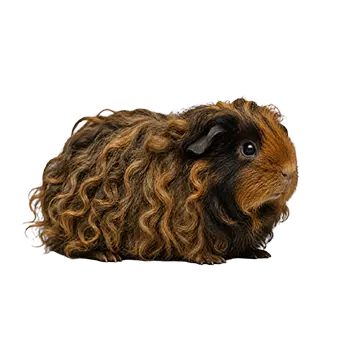

Guinea pigs, including the Lunkarya breed, are classified as domestic animals in virtually all jurisdictions and can be owned without special permits or licenses in most parts of the world. As a domesticated species with a long history as a companion animal, the guinea pig does not fall under exotic animal regulations or wildlife protection statutes in any major jurisdiction. This straightforward legal status makes guinea pig ownership accessible to most people, though local regulations may impose certain conditions.
The specific rules governing guinea pig ownership vary by country, state, and municipality. Some jurisdictions impose limits on the number of animals that may be kept in a single household, particularly in densely populated urban areas. These numerical caps are typically designed to prevent nuisance conditions and ensure adequate care, and they apply equally to all guinea pig breeds. Prospective Lunkarya owners should check with their local government to determine whether any such limits exist in their area.
Animal welfare legislation in many countries establishes minimum standards of care that apply to all pet guinea pigs. These standards may address enclosure size, dietary requirements, social housing, and access to veterinary care. Countries such as Switzerland and several EU member states have enacted particularly detailed welfare regulations for guinea pigs, including requirements that they be kept with at least one companion of the same species. Compliance with these standards is a legal obligation, and violations can result in fines, confiscation of animals, or criminal charges in severe cases.
The Lunkarya's long, curly coat does not trigger any breed-specific legal requirements, but it does raise potential welfare considerations that may attract scrutiny under general animal welfare laws. Matted or neglected coats can be interpreted as evidence of inadequate care, and owners should maintain their Lunkarya's coat in a condition that demonstrates responsible husbandry. Keeping grooming records and veterinary documentation can help demonstrate compliance with welfare standards if questions arise.