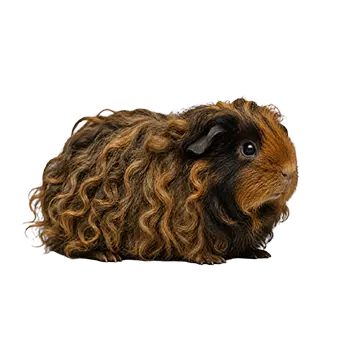

Origins & Development

The Lunkarya guinea pig traces its origins to Sweden, where a spontaneous genetic mutation produced a pup with an unusually dense, rough, and curly coat in the mid-1980s. The breed's name is a portmanteau combining the Swedish word for unruly or tousled and the name of the original breeder's cattery, reflecting both the coat's wild texture and its specific lineage. From this single mutant individual, Swedish breeders embarked on a careful selective breeding program to stabilize the gene and develop a consistent breed type.

The Lunkarya gene is dominant, which distinguished it from many other coat mutations in guinea pigs and accelerated the breed's development. A single copy of the gene is sufficient to produce the characteristic curly coat, making it relatively straightforward to establish breeding lines. Early Swedish breeders crossed the original Lunkarya offspring with Peruvian and Sheltie guinea pigs to introduce length and body type while preserving the defining curl pattern, creating three recognized subtypes that mirror the long-haired breeds from which they descend.

Three varieties of Lunkarya emerged from this foundational breeding work. The Lunkarya Peruvian features a prominent forelock that falls over the face, the Lunkarya Sheltie has a swept-back coat that flows from head to hindquarters, and the Lunkarya Coronet displays a single rosette or coronet on the forehead. Each variety inherits its basic coat growth pattern from its smooth-coated ancestor breed, with the Lunkarya gene adding the dense, corkscrew curls that define the breed.

By the early 1990s, the Lunkarya had gained a dedicated following in Scandinavia and was attracting interest from cavy enthusiasts across Europe. Swedish cavy clubs played a central role in documenting the breed's development, establishing preliminary standards, and coordinating breeding efforts to maintain genetic diversity within the still-small population. The breed's journey from a single unusual pup to an internationally recognized variety is a testament to the dedication and expertise of these early breeders.

Historical Roles

The Lunkarya is a thoroughly modern breed with no historical roles predating its emergence in the 1980s. Its entire existence has been as a companion animal and show cavy, bred for its distinctive appearance rather than for any utilitarian purpose. This places the Lunkarya in the company of many guinea pig breeds that owe their existence to the hobby breeding community's interest in genetic diversity and aesthetic novelty.

Within the show world, the Lunkarya quickly carved out a niche as one of the most visually striking guinea pig varieties. Its dense, cascading curls create a dramatic silhouette that stands out even among other long-haired breeds, and judges and spectators alike have been drawn to the breed's unique texture and presence. Show Lunkaryas require extensive grooming and coat preparation, and the breed has become associated with a dedicated and skilled subset of exhibitors who relish the challenge of presenting these animals at their best.

The Lunkarya has also served as an important subject in the study of coat genetics in guinea pigs. The dominant nature of the Lunkarya gene, its interaction with other coat-length and texture genes, and its effects on hair follicle structure have all been topics of interest for geneticists and hobby breeders studying inheritance patterns in cavies. The breed has contributed to a broader understanding of how single genes can dramatically alter an animal's phenotype while leaving other characteristics largely unchanged.

As a companion animal, the Lunkarya has earned a reputation for a calm and friendly temperament, traits that are valued by pet owners who appreciate a guinea pig that is both visually impressive and pleasant to handle. The breed's growing popularity as a pet, rather than solely as a show animal, reflects a broader trend in the cavy hobby toward breeds that combine distinctive appearance with suitability for family life.

Cultural Symbolism

Within the guinea pig community, the Lunkarya has come to symbolize the creativity and dedication of Scandinavian cavy breeders. Sweden's disproportionate contribution to the development of new guinea pig breeds and varieties is a source of pride within the international cavy fancy, and the Lunkarya stands as one of the most prominent examples of this tradition. The breed's Swedish origins are frequently highlighted in breed descriptions and show catalogs, reinforcing the connection between the Lunkarya and its Scandinavian heritage.

The Lunkarya's wild, untamed appearance has made it a symbol of natural beauty and individuality within the cavy community. Unlike breeds that are prized for sleek, carefully arranged coats, the Lunkarya's appeal lies in its deliberate dishevelment. This aesthetic has resonated with owners and breeders who value character and texture over polish, and the breed has attracted a following that appreciates its refusal to conform to conventional notions of groomed perfection.

In broader pet culture, the Lunkarya has become an ambassador for the diversity of guinea pig breeds. Many people are surprised to learn that guinea pigs come in such a wide range of coat types and textures, and the Lunkarya's dramatic curls are often the breed that sparks this realization. Encounters with Lunkaryas at pet shows, in social media content, or through friends who keep them have introduced countless people to the richness of the cavy fancy and inspired new enthusiasts to explore the hobby.

The breed also carries a quiet cultural message about the value of preserving genetic diversity and supporting rare breeds. As a variety that exists in relatively small numbers outside of Scandinavia, the Lunkarya reminds the cavy community that maintaining a diverse gene pool requires ongoing commitment from dedicated breeders. This message resonates beyond the guinea pig world, connecting to broader conversations about biodiversity, stewardship, and the importance of preserving what is unique and irreplaceable.

Breed Clubs & Standards

The Lunkarya achieved its earliest formal recognition in Sweden, where the Swedish Cavy Club developed the initial breed standard and began registering Lunkaryas for competition. The Swedish standard established the foundational criteria for the breed, defining acceptable coat density, curl pattern, body type, and presentation for each of the three recognized varieties. This standard has served as the reference point for subsequent recognition efforts in other countries.

Recognition spread through Scandinavia and into continental Europe over the following decade, with national cavy organizations in Norway, Finland, Denmark, Germany, and the Netherlands adopting standards based on or adapted from the Swedish original. European cavy shows provided an important venue for international breeders to compare animals, exchange genetic stock, and refine their understanding of the breed's ideal type. The Lunkarya's presence at major European shows helped build its reputation and attract new breeders to the variety.

In the United Kingdom, the Lunkarya has gained recognition through the British Cavy Council, which has established its own standard tailored to the preferences and conventions of the British show system. UK breeders have been active in importing and developing Lunkarya lines, and the breed has a growing presence at British cavy shows. The transition from rare import to established show breed in the UK illustrates the Lunkarya's broadening appeal and the effectiveness of international breeder networks.

Recognition in North America and other regions has been slower, reflecting both the logistical challenges of importing breeding stock and the smaller size of the organized cavy fancy in some countries. However, interest is growing steadily, and breeders in the United States, Canada, and Australia are working to establish viable Lunkarya populations and to advocate for formal recognition by their national cavy organizations. Online breed clubs and social media groups have been instrumental in connecting Lunkarya enthusiasts across geographic boundaries and facilitating the exchange of knowledge and breeding stock.

The Breed Today

Today the Lunkarya occupies a respected position within the international guinea pig fancy, valued for its unique coat, gentle temperament, and the skill required to breed and exhibit it successfully. The breed's population has grown steadily since its early years, with established breeding communities in Scandinavia, continental Europe, and the United Kingdom, and emerging populations in North America and Australasia. While still less common than mainstream breeds like the American or Abyssinian, the Lunkarya is no longer considered a rare curiosity.

Breeding programs today balance the pursuit of ideal coat quality with attention to overall health and genetic diversity. Experienced Lunkarya breeders maintain detailed records of their lines, tracking coat development, body type, temperament, and any health concerns across generations. Outcrossing to appropriate long-haired breeds remains a standard practice for introducing fresh genetics while preserving the Lunkarya's defining characteristics, and the breeding community has developed sophisticated strategies for managing the breed's still-limited gene pool.

The Lunkarya's popularity as a pet has grown alongside its show career. Owners who have no interest in exhibiting are drawn to the breed's distinctive appearance and its reputation for a calm, sociable disposition. The coat's dense curls, while demanding in a show context, are actually lower-maintenance for pet owners than the sleek coats of Peruvians or Shelties, as the curls are less prone to tangling and do not drag on the ground in the same way. This practical advantage has made the Lunkarya an appealing choice for owners who want a long-haired guinea pig without the intensive grooming commitment.

Looking ahead, the Lunkarya's future appears secure. The breed benefits from a committed and growing community of breeders and owners, increasing formal recognition from cavy organizations worldwide, and a distinctive identity that sets it apart from all other guinea pig varieties. Continued attention to genetic health, responsible breeding practices, and education for new owners will be key to sustaining the breed's momentum and ensuring that Lunkaryas thrive for generations to come.

Notable Individuals

The Lunkarya's history is closely tied to the breeders who first recognized and developed the breed rather than to individual celebrity animals. The original Swedish breeder whose cattery name forms part of the breed's name holds a foundational place in Lunkarya history, having made the pivotal decision to pursue the curly-coated mutation rather than treating it as a one-off anomaly. This individual's foresight and dedication set in motion the breeding program that would produce a new and enduring guinea pig variety.

Early Swedish breeders who collaborated on establishing the breed's genetic base and drafting its initial standard are also recognized as key figures in Lunkarya history. Their cooperative approach to breed development, which involved sharing animals, knowledge, and show results across a small but dedicated network, established a model of collaborative breeding that continues to characterize the Lunkarya community today. Several of these founding breeders remained active in the breed for decades, providing continuity and institutional memory.

On the show circuit, certain Lunkarya specimens have achieved notable success, earning top placements at major European cavy exhibitions and helping to establish benchmarks for breed quality. While individual show animals may not be widely known outside the cavy fancy, their influence on the breed's development through their offspring and the standards they represent is substantial. Breeders frequently reference outstanding show animals from past decades when discussing the evolution of the breed's ideal type.

More recently, Lunkarya breeders who have invested significant effort in expanding the breed's geographic range deserve recognition. Individuals who have navigated the complexities of international transport, quarantine regulations, and the establishment of new breeding populations in countries where the Lunkarya was previously unknown have played a critical role in securing the breed's long-term future. Their work ensures that the Lunkarya is not dependent on a single geographic community for its survival and continued development.

Always consult a qualified professional before making any health-related decisions. This content is provided for informational reference only and should not replace professional guidance specific to your animal.