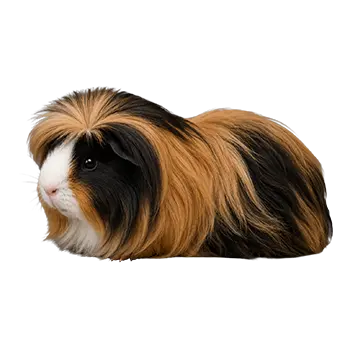

Car Travel

Car travel is the most practical and commonly used method of transporting a Coronet guinea pig, whether for routine veterinary appointments, trips to shows, or longer journeys. A secure, well-ventilated carrier is essential for safe car travel, and hard-sided small animal carriers are generally preferred because they offer structural protection and are easy to clean. The carrier should be large enough for the guinea pig to turn around comfortably but not so spacious that the animal slides around during turns or stops.

The Coronet's long, flowing coat requires specific attention before and during car travel. Owners should groom their Coronet before the trip, removing any tangles and ensuring the coat is clean and dry. Lining the carrier with absorbent fleece or paper-based bedding helps protect the coat from moisture and soiling during the journey. Loose wood shavings should be avoided, as they can become embedded in the Coronet's long hair and are difficult to remove. A small handful of hay placed in the carrier provides both comfort and a familiar food source.

Temperature regulation is a critical safety concern when traveling with guinea pigs by car. Guinea pigs are highly sensitive to heat and can develop heat stroke rapidly at temperatures above 80 degrees Fahrenheit. The vehicle's climate control should be set to a comfortable temperature before the carrier is placed inside, and the carrier should be positioned away from direct sunlight. Under no circumstances should a guinea pig be left unattended in a parked car, even for brief periods, as interior temperatures can reach dangerous levels within minutes.

For longer road trips, plan rest stops every two to three hours to check on the guinea pig, offer fresh water, and replace soiled bedding if necessary. Guinea pigs are sensitive to stress, and minimizing noise and vibration during the drive helps keep the animal calm. Placing a light cloth over part of the carrier can create a sense of security without restricting airflow, and speaking softly to the guinea pig during the journey provides reassurance.

Air Travel

Air travel with a Coronet guinea pig is feasible but requires significantly more preparation than car travel. Airline policies on small animal transport vary widely, and not all airlines permit guinea pigs in the cabin or as checked cargo. Owners planning to fly with a Coronet should contact their airline well in advance to confirm that guinea pig transport is available on their specific route and to understand all applicable requirements and fees.

For in-cabin travel, airlines typically require that the animal be housed in an airline-approved carrier that fits under the seat in front of the passenger. The carrier must provide adequate ventilation and be leak-proof. For Coronets, lining the carrier with absorbent, non-scattering bedding is important to maintain coat cleanliness during the flight. A small supply of hay and a leak-resistant water source should be included, as flights can be lengthy and guinea pigs need consistent access to food and hydration.

Cargo hold travel is generally not recommended for guinea pigs due to the significant temperature fluctuations, noise, and pressure changes that occur in unpressurized or partially climate-controlled cargo compartments. If cargo transport is the only option, owners should select airlines that offer climate-controlled live animal shipping services and avoid scheduling flights during extreme weather conditions. Direct flights are strongly preferable to connections, as layovers increase the time the animal spends in potentially stressful conditions.

International air travel introduces additional layers of complexity, including health certification requirements, customs documentation, and potential quarantine periods at the destination. Owners planning to relocate internationally with a Coronet should begin the preparation process months in advance, consulting with a veterinarian experienced in export health certifications and thoroughly researching the destination country's animal import regulations. Incomplete or incorrect documentation can result in the animal being denied entry or held in quarantine at significant expense.

Pet-Friendly Accommodations

Finding accommodations that welcome guinea pigs can require extra effort, as most pet-friendly hotels and rentals define their policies around dogs and cats. However, a growing number of properties are willing to accommodate small caged animals, especially when the owner can demonstrate that the animal will remain in its carrier or cage and will not cause damage to the property. Contacting the accommodation directly to confirm guinea pig acceptance, rather than relying on generic pet-friendly listings, is the most reliable approach.

When staying away from home with a Coronet, bringing a travel cage or enclosure provides the guinea pig with a secure and comfortable space. The cage should be equipped with bedding, a water bottle, food dish, and hay, replicating the animal's home environment as closely as possible. Placing a protective mat or towel under the cage safeguards the accommodation's flooring and makes cleanup easier. Regular cage maintenance during the stay helps prevent odor issues that could affect the owner's relationship with the property manager.

Vacation rental platforms have expanded options for travelers with small pets, and filtering for pet-friendly properties often yields rentals that are willing to accommodate guinea pigs. Reading reviews from previous guests who traveled with small animals provides useful insights about how accommodating a property truly is. Communicating openly with hosts about the Coronet's needs and providing reassurance about cleanliness and containment helps establish trust and prevent misunderstandings.

For extended trips or relocations, transporting the Coronet's full-sized home cage may be worthwhile, as the familiar environment reduces stress and provides the most comfortable living conditions. This approach is most practical when traveling by car, where the cage can be securely transported. Identifying a suitable location for the cage within the accommodation, away from drafts, direct sunlight, and noisy areas, should be part of the pre-arrival planning process.

Boarding & Pet Sitting

When travel plans make it impractical to bring a Coronet along, boarding facilities and pet sitting services provide alternatives for ensuring the animal receives proper care in the owner's absence. Finding a caregiver with guinea pig experience, and ideally with familiarity with long-haired breeds, is important for Coronet owners who want their animals to receive appropriate grooming and handling during their time away.

Specialized small animal boarding facilities are the preferred option for Coronet owners, as these establishments are equipped to provide appropriate housing, diet, and environmental conditions for guinea pigs. When evaluating a boarding facility, owners should inquire about cage sizes, cleaning frequency, diet provisions, and staff experience with long-haired guinea pig breeds. Visiting the facility in person before booking allows the owner to assess the quality of care firsthand and to discuss any breed-specific instructions with the staff.

In-home pet sitting services offer the advantage of keeping the Coronet in its familiar environment, which minimizes stress and disruption. When hiring a pet sitter, the owner should provide comprehensive written instructions covering feeding schedules, water changes, cage cleaning, grooming routines, and health monitoring. A hands-on demonstration of the Coronet's grooming needs before the owner's departure helps ensure the sitter feels confident in managing the long coat. Emergency veterinary contact information should be prominently included in the care instructions.

Fellow guinea pig enthusiasts and members of local cavy clubs represent an excellent resource for finding experienced caregivers. Community members who keep their own guinea pigs are likely to be knowledgeable about the breed's needs and comfortable handling long-haired animals. Online guinea pig forums and social media groups can help connect owners with trusted caregivers in their area, and reciprocal care arrangements between cavy-keeping friends provide a cost-effective solution that benefits both parties.

Emergency Preparedness

Emergency preparedness is an essential aspect of responsible Coronet ownership that is often overlooked until a crisis occurs. Natural disasters, severe weather events, power outages, and mandatory evacuations can all affect pet owners, and having a plan in place for the guinea pig ensures that the animal is not left behind or subjected to dangerous conditions during an emergency.

A pre-packed emergency kit for a Coronet should include a portable carrier, a three-day supply of hay and pellets, bottled water, a water bottle or dish, absorbent bedding, a basic grooming brush, and any medications the guinea pig requires. The kit should be stored in an easily accessible location and checked regularly to ensure food supplies are fresh and all components are in working order. Including an information card with the guinea pig's name, breed, dietary requirements, and veterinary contact details is invaluable if the animal needs to be cared for by an unfamiliar person during an emergency.

Evacuation planning should identify pet-friendly emergency shelters, veterinary clinics that accept emergency boarders, and the homes of friends or family members who could temporarily house the guinea pig. Not all emergency shelters accept pets, and those that do may have limited space or specific containment requirements. Researching these options in advance and maintaining a current list of contacts saves critical time during an evacuation. Local animal welfare organizations and emergency management agencies can provide information about pet-inclusive evacuation resources in the community.

Owners in areas prone to specific natural hazards should tailor their emergency plans accordingly. In earthquake-prone regions, securing the guinea pig's cage against tipping and identifying safe areas within the home where the cage can be quickly relocated are prudent precautions. In hurricane or flood zones, elevating the cage and having evacuation routes planned in advance are important considerations. Regardless of the specific hazard, the guiding principle is the same: plan ahead, keep supplies current, and ensure the Coronet is always included in the family's emergency response plan.

Always consult a qualified professional before making any health-related decisions. This content is provided for informational reference only and should not replace professional guidance specific to your animal.