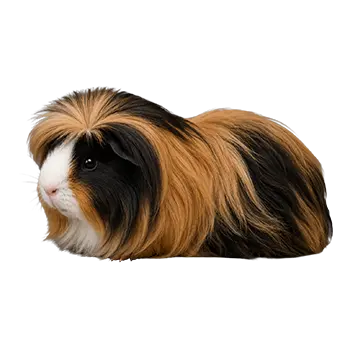

Guinea pigs, including the Coronet breed, are legal to own as companion animals in the vast majority of countries and jurisdictions. As fully domesticated animals with a long history of human companionship, guinea pigs are generally classified alongside dogs, cats, and other common household pets in regulatory frameworks. No special permits, licenses, or certifications are typically required to keep a Coronet guinea pig as a personal pet, though specific regulations vary by location.
General animal welfare laws apply to guinea pig ownership in most regions and require that owners provide their animals with adequate food, clean water, appropriate shelter, and access to veterinary care when needed. These baseline requirements are designed to prevent neglect and cruelty, and they apply equally to all guinea pig breeds regardless of coat type or other physical characteristics. Coronet owners should be aware of the welfare laws in their specific jurisdiction and ensure that their husbandry practices meet or exceed the minimum legal standards.
Some jurisdictions impose limits on the number of animals that may be kept in a single household. While these regulations are most commonly applied to dogs and cats, they can extend to small animals in certain areas. Coronet breeders who maintain multiple animals should verify that their colony size complies with local pet limit ordinances, as exceeding these limits can result in citations, fines, or mandatory reduction of the animal population.
Zoning regulations may also affect Coronet owners, particularly those engaged in breeding. Residential zoning codes in some areas classify animal breeding as a home-based business that requires a permit or zoning variance, even when conducted on a small scale. Breeders who sell Coronets from their homes should confirm that their activities are permitted under local zoning rules and obtain any necessary approvals before advertising or selling animals.