
Origins & Development

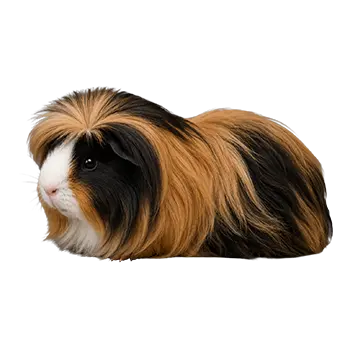
The Coronet guinea pig was developed in the 1970s through crosses between the Silkie (Sheltie) and the White Crested guinea pig. Breeders aimed to produce a long-haired variety that featured the Silkie's flowing coat combined with a prominent single crest on the forehead, creating a guinea pig of distinctive elegance. The breed's development took place primarily in England, where the cavy fancy had a long tradition of creating and refining new varieties through selective breeding.

Producing a consistent Coronet proved challenging because the genetics of both coat length and crest formation had to be stabilized in a single line. Early crosses often yielded guinea pigs with incomplete crests, coats that were too short, or rosettes in undesirable locations. Patient selection over many generations gradually resolved these issues, and by the late 1970s a recognizable Coronet type had been established that could reproduce with reasonable consistency.

The breed gained formal recognition from the British Cavy Council during the 1980s, which was a pivotal moment in its history. Official recognition meant that Coronets could be exhibited in sanctioned shows under their own breed standard, giving breeders a clear target to work toward and providing a framework for evaluating and improving the breed. From the United Kingdom, the Coronet spread to continental Europe, North America, and Australia as breeders exported stock and shared breeding knowledge.

The Coronet's development is part of a broader pattern in the cavy fancy of creating long-haired varieties with distinctive head furnishings. The success of the Coronet inspired further experimentation, including the development of the Merino, which combines a coronet crest with curly Texel-style coat. In this way, the Coronet has served as both a valued breed in its own right and a foundation for ongoing innovation within guinea pig breeding.

Historical Roles

Like all domesticated guinea pigs, the Coronet traces its ancestry to the wild cavies of South America, where guinea pigs were domesticated thousands of years ago by indigenous Andean peoples. These early domesticated guinea pigs served as food sources and held ceremonial significance in various cultures. While the Coronet itself is a modern creation, it exists within this much longer history of human-cavy partnership that spans millennia.

In the modern era, the Coronet's primary role has been as a show animal and companion pet. The breed was developed with exhibition in mind, and its combination of a striking crest and flowing coat makes it a natural showstopper on the competition bench. Show Coronets require careful grooming and presentation, and the breed has helped foster a dedicated community of exhibitors who specialize in long-haired cavy varieties.

The Coronet has also played a role in the broader development of the cavy fancy as a hobby. As one of the more visually dramatic guinea pig breeds, the Coronet has attracted newcomers to guinea pig showing who might not have been drawn to smoother, simpler-looking varieties. This gateway effect has benefited the hobby as a whole by expanding the pool of enthusiasts, breeders, and judges involved in cavy exhibition.

As a companion animal, the Coronet has earned a reputation for its engaging personality. Owners frequently describe the breed as curious, playful, and more interactive than some other guinea pig varieties. Whether this is a genuine breed-specific temperament trait or a reflection of the closer human-animal bond that develops through regular grooming is debated, but the perception has contributed to the Coronet's popularity among pet owners who value hands-on interaction with their animals.

Cultural Symbolism

Within the guinea pig community, the Coronet occupies a special symbolic position as a breed that combines two beloved characteristics: the flowing long coat and the distinctive crown-like crest. The crest itself has inspired comparisons to royalty and crowns, and the breed's name reinforces this regal association. Owners and breeders often play on this imagery, affectionately referring to their Coronets as little kings and queens of the guinea pig world.

The Coronet also symbolizes the creative possibilities of selective breeding within the cavy fancy. Because the breed is a deliberate combination of traits from two distinct parent breeds, it represents the breeder's art at its most intentional and skillful. For fanciers who view breeding as a form of creative expression, the Coronet stands as evidence of what can be achieved through knowledge, patience, and careful selection over many generations.

In the wider world of pet culture, the Coronet's distinctive appearance has made it one of the more recognizable guinea pig breeds among people who may not be familiar with the cavy fancy. The combination of long hair and a facial crest gives the Coronet a look that is immediately identifiable and memorable, which has helped it become a popular subject for pet photography, social media content, and animal-themed merchandise.

The breed's cultural resonance extends to the values it represents within the keeping community. Coronet owners tend to be experienced, committed guinea pig enthusiasts who understand the grooming and care demands of long-haired breeds. In this sense, the Coronet symbolizes a deeper level of engagement with guinea pig keeping, one that goes beyond casual pet ownership and embraces the responsibilities and rewards of caring for a high-maintenance breed.

Breed Clubs & Standards

The British Cavy Council established the first formal breed standard for the Coronet, defining the ideal characteristics of the crest, coat, body shape, and color. According to the standard, the crest should be a single, well-formed rosette centered on the forehead, with hair radiating evenly from a clearly defined center point. The coat should be long, dense, and silky, flowing back from the crest over the body without parting along the spine.

The American Cavy Breeders Association recognized the Coronet in 1998, giving the breed access to competition in ACBA-sanctioned shows throughout North America. The ACBA standard aligns closely with the British version but includes some regional variations in emphasis, particularly regarding body size and coat presentation preferences. Recognition by a major North American organization significantly expanded the Coronet's competitive opportunities and encouraged more breeders to work with the variety.

Coroner-specific breed clubs and online communities serve as important resources for breeders and owners. These groups offer mentorship for newcomers, organize specialty shows, and facilitate the exchange of breeding stock between established programs. The collaborative nature of these clubs has been instrumental in maintaining and improving breed quality, as breeders share knowledge about genetics, grooming techniques, and health management specific to the Coronet.

Judging Coronets at shows requires expertise in evaluating the crest, which is the breed's most distinctive feature. A well-formed crest should be large, round, and symmetrical, with no gaps or irregularities. Judges must also assess coat quality, length, texture, and overall condition, as well as body conformation and general health. Training programs for cavy judges typically include specific instruction on evaluating crested and long-haired breeds, ensuring that Coronets are judged consistently and fairly across different shows.

The Breed Today

Today the Coronet is well established as one of the premier long-haired guinea pig breeds, with active breeding communities in Europe, North America, and Australia. The breed continues to attract both experienced exhibitors and first-time owners drawn to its elegant appearance and engaging personality. Modern Coronets represent the culmination of decades of selective breeding, with top specimens displaying full, symmetrical crests and coats that can reach impressive lengths.

The internet has played a significant role in the Coronet's contemporary popularity. Social media accounts featuring Coronets regularly attract large followings, and online resources have made breed-specific care information accessible to owners around the world. This digital presence has helped sustain demand for the breed and has connected breeders and owners across geographic boundaries that would have been difficult to bridge in earlier decades.

Show competition among Coronets remains vigorous at both the national and international levels. Breeders invest considerable time in coat management and show preparation, with grooming routines that can include daily brushing, periodic bathing, and careful wrapping of the coat to prevent damage and tangling between shows. The dedication required to present a Coronet at its best reflects the breed's position as a specialty variety within the cavy fancy.

As a pet, the Coronet appeals to owners who enjoy an interactive relationship with their guinea pigs. The breed's grooming needs necessitate regular handling, which tends to produce guinea pigs that are well socialized and comfortable with human contact. Many Coronet owners describe the grooming process as a bonding experience that strengthens the relationship between owner and pet, making the time investment a rewarding aspect of ownership rather than a burden.

Notable Individuals

While individual guinea pigs do not typically achieve the widespread fame associated with notable dogs or cats, certain Coronets have become well known within the cavy fancy for their show achievements and breeding contributions. Grand champion Coronets at national and international shows set the standard for breed quality and influence breeding decisions across the community. The lineages of these top-winning animals are carefully documented and studied by breeders seeking to improve their own programs.

On social media, several Coronet guinea pigs have developed significant online followings, with their owners sharing daily content that showcases the breed's personality and beauty. These internet-famous Coronets serve as informal ambassadors for the breed, introducing it to audiences who might never encounter a Coronet at a show or through traditional pet channels. The visibility these accounts provide has contributed measurably to the breed's popularity and to broader public awareness of guinea pig diversity.

Some Coronets have gained recognition through participation in educational programs, therapy animal visits, and community outreach events. Their calm temperament and eye-catching appearance make them effective at engaging audiences of all ages, and their presence in these settings helps promote responsible pet ownership and awareness of small animal welfare.

The breeders who have dedicated years to developing and refining Coronet lines are themselves notable figures in the breed's history. Their knowledge, generosity in mentoring newcomers, and commitment to ethical breeding practices have shaped the Coronet into the breed it is today. Many of these individuals serve as judges, breed club officers, and educators within the cavy community, ensuring that their expertise and passion continue to benefit the breed for future generations.

Always consult a qualified professional before making any health-related decisions. This content is provided for informational reference only and should not replace professional guidance specific to your animal.