
Film & Television

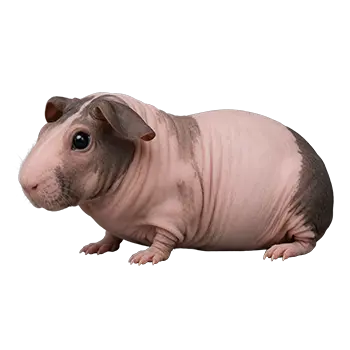
Guinea pigs have made sporadic appearances in film and television over the years, though hairless breeds like the Baldwin remain relatively rare on screen. When they do appear, they are often cast for their striking and unusual look, serving as visual shorthand for the exotic or the unexpected. Their wrinkled, exposed skin lends itself to comedic or fantastical contexts, and production teams have occasionally sought out hairless guinea pigs to portray alien creatures, laboratory animals, or quirky pets belonging to eccentric characters.

Documentary and educational programming has provided the Baldwin with more substantive screen time. Nature documentaries and pet-focused television series have featured segments on hairless guinea pig breeds, exploring their origins, care requirements, and the communities of breeders who work with them. These appearances tend to emphasize the Baldwin's unique biology and the special considerations involved in keeping a hairless cavy, offering viewers a blend of entertainment and genuine information.

Reality television and lifestyle programming have also brought Baldwins into the spotlight. Pet makeover shows, veterinary programs, and animal rescue series occasionally feature hairless guinea pigs, often highlighting the initial surprise people feel upon encountering them for the first time. These segments typically follow a narrative arc from unfamiliarity to affection, reinforcing the message that unconventional-looking animals can be wonderful companions.

As content creation continues to expand beyond traditional broadcast media, Baldwins are increasingly appearing in independently produced web series, short films, and streaming content. These platforms offer creators the freedom to feature niche subjects without the constraints of mainstream programming, and the Baldwin's photogenic peculiarity makes it a natural fit for content that aims to surprise and delight audiences.

Literature & Art

Guinea pigs occupy a modest but affectionate place in literature, appearing most frequently in children's books and pet care guides. The Baldwin, as a relatively recent breed, has not yet accumulated a deep literary tradition, but it has begun to appear in breed-specific care manuals, cavy hobby publications, and illustrated guides that celebrate the diversity of guinea pig varieties. These works typically devote special attention to the Baldwin's unique appearance and care needs, often accompanied by photographs that showcase the breed's expressive skin folds.

In the world of visual art, hairless guinea pigs have attracted the attention of artists who are drawn to unusual subjects. The Baldwin's wrinkled skin, range of pigmentation patterns, and distinctive silhouette offer rich material for illustration, painting, and photography. Pet portrait artists report growing demand for Baldwin commissions, as owners seek to capture their pets' individuality in lasting artistic form. The breed's lack of fur actually simplifies certain aspects of portraiture while adding complexity in rendering skin texture and light.

Online art communities have embraced the Baldwin as a subject for both realistic and fantastical illustration. Digital artists frequently depict Baldwins in whimsical scenarios, dressing them as historical figures, fantasy characters, or pop culture icons. This creative output circulates widely on social media and art-sharing platforms, contributing to the breed's cultural visibility and reinforcing its reputation as a charming and endlessly entertaining subject.

The Baldwin has also appeared in educational materials aimed at young readers, where it serves as an engaging example of genetic variation and selective breeding. These appearances help introduce children to concepts in biology and animal husbandry through the accessible and appealing lens of a pet they might encounter at a friend's house or a local pet show.

Internet & Social Media

The internet has been the single most important platform for the Baldwin guinea pig's rise in cultural visibility. Social media accounts dedicated to individual Baldwins routinely attract followers numbering in the tens of thousands, with some reaching well into six figures. The breed's unusual appearance generates immediate engagement, as viewers react with a mixture of surprise, amusement, and genuine affection. Posts featuring Baldwins consistently perform well in terms of likes, shares, and comments, making them reliable content for pet-focused accounts.

The Baldwin's lack of fur makes it an especially versatile subject for themed photography and video content. Owners frequently photograph their Baldwins in costumes, seasonal setups, and humorous poses, taking advantage of the animal's exposed skin to create visual effects that would be lost on a coated guinea pig. Holiday-themed content, miniature outfits, and side-by-side comparisons with other wrinkly or hairless animals are perennial favorites among Baldwin social media audiences.

Video content featuring Baldwins has found a particularly receptive audience on short-form video platforms. Clips showing the daily life of a hairless guinea pig, including bath time, feeding, and social interactions with other cavies, accumulate substantial view counts. The tactile quality of the Baldwin's skin, often described as warm and rubbery, fascinates viewers, and videos that showcase handling and cuddling tend to generate enthusiastic responses.

Online communities centered on guinea pig care have also been instrumental in shaping the Baldwin's digital presence. Forums, discussion groups, and dedicated subreddits provide spaces where Baldwin owners share advice, celebrate milestones, and troubleshoot the unique challenges of hairless cavy ownership. These communities function as both support networks and informal marketing engines, introducing the breed to potential owners through firsthand accounts and authentic enthusiasm.

Advertising & Branding

The Baldwin guinea pig's distinctive appearance has made it an occasional but memorable presence in advertising. Brands seeking to convey uniqueness, individuality, or a playful disregard for convention have used hairless guinea pigs in print and digital campaigns. The visual impact of a Baldwin is immediate and attention-grabbing, qualities that advertisers value highly in a crowded media landscape. While guinea pigs in general are less commonly used in advertising than dogs or cats, the Baldwin's novelty factor gives it an outsized impact when it does appear.

Pet industry brands have been the most consistent users of Baldwin imagery in their marketing. Companies selling specialty pet care products, particularly those related to skin care, temperature regulation, and nutritional supplements, have featured Baldwins in product photography and promotional materials. The breed's specific care needs align naturally with products designed for sensitive or hairless animals, creating an authentic connection between the animal and the advertised goods.

Beyond the pet industry, Baldwins have appeared in campaigns for brands in unrelated sectors, typically in contexts that emphasize humor, surprise, or the celebration of differences. Insurance companies, tech startups, and lifestyle brands have all occasionally incorporated hairless guinea pigs into their visual identities, leveraging the animal's ability to provoke a double take and generate conversation.

The Baldwin has also become a popular subject for independent merchandise, including apparel, stickers, mugs, and phone cases. Small businesses and individual artists sell Baldwin-themed products through online marketplaces, catering to the breed's devoted fan base. This grassroots commercial activity reflects the Baldwin's genuine cultural appeal and demonstrates that a small, niche breed can generate meaningful economic activity through the strength of its community.

The Popularity Effect

Media exposure and social media virality have had a measurable impact on demand for Baldwin guinea pigs. Breeders report that inquiries tend to spike following viral posts or media appearances featuring the breed, and waiting lists for Baldwin pups can extend for months in areas where breeders are scarce. This popularity effect mirrors patterns seen in other niche pet breeds, where sudden visibility creates a surge of interest that the existing breeder community may struggle to accommodate.

The increased demand driven by media attention brings both opportunities and challenges. On the positive side, greater visibility has expanded the pool of knowledgeable Baldwin owners, strengthened breeding communities, and generated resources for breed-specific care education. More people caring about and for Baldwins means more collective expertise and a larger support network for new owners navigating the unique demands of hairless guinea pig husbandry.

However, the popularity effect also carries risks. Impulse acquisitions driven by novelty rather than genuine commitment can lead to surrendered animals, as owners discover that the Baldwin's care requirements, including skin maintenance, temperature sensitivity, and the need for UV protection, are more demanding than expected. Responsible breeders and rescue organizations work to counteract this by screening potential owners carefully and providing thorough education before placement.

The cavy community has responded to the Baldwin's growing popularity with a balanced approach, welcoming new enthusiasts while emphasizing the importance of responsible ownership. Educational content produced by experienced Baldwin keepers, much of it distributed through the same social media channels that drive demand, helps ensure that the breed's rising profile translates into better outcomes for the animals themselves rather than simply increasing their numbers in unsuitable homes.

Always consult a qualified professional before making any health-related decisions. This content is provided for informational reference only and should not replace professional guidance specific to your animal.