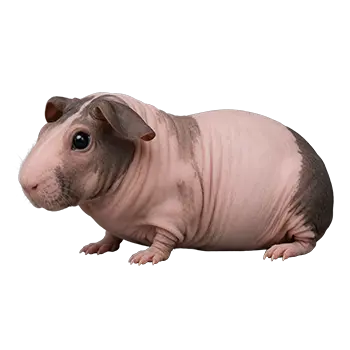

Guinea pigs, including the Baldwin breed, are classified as domestic animals in most jurisdictions worldwide, and their ownership is generally permitted without special licensing or permits. Unlike exotic or wild-caught species, guinea pigs do not typically fall under wildlife protection statutes or require CITES documentation for private ownership. This legal accessibility is one of the reasons guinea pigs remain among the most popular small companion animals globally.
However, the specific regulations governing guinea pig ownership can vary significantly between countries, states, provinces, and even municipalities. Some jurisdictions impose limits on the number of animals a household may keep, particularly in urban areas where zoning ordinances may classify guinea pigs alongside other small pets subject to numerical caps. Prospective Baldwin owners should research the specific regulations in their locality before acquiring animals, as violations can result in fines or mandatory surrender.
In several countries, animal welfare legislation imposes minimum standards of care that apply to all pet guinea pigs, including Baldwins. These standards may address enclosure size, dietary requirements, access to veterinary care, and social housing. Switzerland, for example, has enacted particularly detailed welfare regulations for guinea pigs, requiring that they be kept in pairs or groups to satisfy their social needs. Similar provisions exist in parts of the European Union and in some Australian states.
The Baldwin's hairless condition does not typically trigger additional legal requirements, but it may attract attention from animal welfare inspectors or concerned members of the public who are unfamiliar with the breed. Owners should be prepared to demonstrate that their Baldwin's hairlessness is a breed characteristic rather than a sign of disease or neglect, and maintaining veterinary records and breed documentation can be helpful in this regard.