
Film & Television

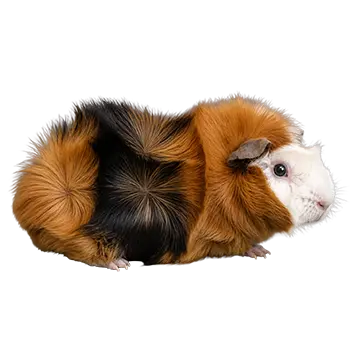
Guinea pigs have made memorable appearances in film and television over the decades, and the Abyssinian's distinctive tousled coat has made it a favorite among animal wranglers looking for a photogenic cavy. The breed's natural rosettes give it a characterful, slightly disheveled look that reads well on camera, making Abyssinians particularly appealing for productions that want their guinea pig characters to appear expressive and visually interesting.

Animated productions have frequently drawn on guinea pig characteristics for their character designs, and the Abyssinian's spiky rosette pattern has inspired several animated guinea pig characters whose fur appears wild and textured. While these characters are not always explicitly identified as Abyssinians, the influence of the breed's distinctive coat is evident in the way animators render their guinea pig creations with tufted, multidirectional fur.

In live-action family films and television shows, guinea pigs often appear as beloved household pets in domestic scenes. The Abyssinian's confident and curious nature makes it relatively easy to work with on set compared to more skittish breeds. Animal trainers have noted that Abyssinians tend to be less startled by the lights and activity of a production environment, making them reliable performers for scenes that require a guinea pig to remain calm and visible on screen.

Television documentaries and educational programs focused on pet care and animal behavior have also featured the Abyssinian prominently. The breed's popularity and recognizable appearance make it an effective representative of guinea pigs as a whole, and producers frequently choose Abyssinians when they need a guinea pig that audiences will find immediately appealing and engaging.

Literature & Art

Guinea pigs have appeared in children's literature for well over a century, and the Abyssinian's characterful appearance has made it a natural model for illustrated guinea pig characters. Picture books and chapter books aimed at young readers frequently depict guinea pigs with the tufted, rosetted fur characteristic of the Abyssinian, even when the breed is not specifically named. The visual appeal of the rosette coat translates particularly well to illustration, giving artists plenty of texture and personality to work with.

In the world of fine art, guinea pigs have a modest but notable presence. European painters of the 17th and 18th centuries occasionally included guinea pigs in domestic scenes and still-life compositions, reflecting the animals' growing popularity as household pets during that period. While it is not always possible to identify specific breeds in historical paintings, some depictions clearly show the rough, tufted coat associated with the Abyssinian type.

Contemporary pet portraiture has embraced the guinea pig with enthusiasm, and the Abyssinian is among the most frequently commissioned breeds. Professional pet portrait artists report that clients are drawn to the Abyssinian's rosettes as a challenging and rewarding subject, with the complex coat pattern offering opportunities for detailed and dynamic compositions. Digital art platforms and commission marketplaces have further expanded the audience for guinea pig portraiture.

Guinea pig care guides and breed reference books consistently give the Abyssinian prominent coverage, often featuring the breed on covers and in lead chapters. The Abyssinian's status as one of the most recognizable and popular guinea pig breeds ensures it a central place in the published literature of cavy husbandry, and many new guinea pig owners first encounter the breed through these reference materials.

Internet & Social Media

The Abyssinian guinea pig has thrived in the age of social media, where its photogenic rosettes and animated personality make it ideal content for platforms built around visual storytelling. Guinea pig accounts on major social media platforms routinely attract large followings, and Abyssinians are disproportionately represented among the most popular guinea pig personalities online. The breed's naturally tousled appearance lends itself to humorous and endearing photographs that perform well in algorithmic feeds.

Video content featuring Abyssinian guinea pigs has proven especially popular. Short-form videos showcasing Abyssinians eating, exploring, popcorning, and interacting with their owners consistently generate high engagement. The breed's vocal nature adds an appealing audio dimension to video content, with Abyssinians producing the characteristic wheeks, purrs, and rumbles that guinea pig enthusiasts find irresistible.

Online guinea pig communities on forums and social media groups have become important gathering places for Abyssinian enthusiasts. These communities facilitate the exchange of breeding advice, health information, and care tips, while also serving as platforms for sharing photographs and celebrating the breed. Dedicated Abyssinian groups often organize virtual shows and photo contests, extending the competitive exhibition tradition into the digital realm.

The influence of social media on Abyssinian popularity has been significant and measurable. Breeders report increased demand that correlates with viral guinea pig content, and rescue organizations have noted that social media exposure helps them place Abyssinians more quickly than less visually distinctive breeds. The online visibility of the Abyssinian has also contributed to broader public awareness of guinea pig welfare issues, as popular accounts frequently use their platforms to promote responsible ownership practices.

Advertising & Branding

Guinea pigs have appeared in commercial advertising across a variety of industries, valued for their cute and approachable appearance. The Abyssinian's textured coat and expressive face make it a particularly effective advertising subject, capable of conveying warmth, playfulness, and relatability in a single image. Pet supply companies naturally feature guinea pigs in their marketing materials, and the Abyssinian is frequently chosen for its visual impact and broad breed recognition.

Beyond the pet industry, guinea pigs have been used in advertising campaigns for products ranging from insurance to automobiles to snack foods. The animals' inherent likability and nonthreatening demeanor make them versatile advertising tools, capable of softening a brand's image or adding a touch of humor to a campaign. While these campaigns do not always specify the breed of guinea pig used, Abyssinians are commonly selected for their distinctive and immediately recognizable appearance.

The phrase "guinea pig" itself has become a widely used metaphor in marketing and product testing contexts, referring to early adopters or test subjects for new products and services. This linguistic association has occasionally been leveraged in advertising campaigns that play on the double meaning, using images of actual guinea pigs alongside messaging about being first to try something new. The Abyssinian's characterful look adds personality to these campaigns.

Small businesses within the guinea pig community have also built brands around the Abyssinian. Etsy shops, independent pet supply companies, and artisan treat makers frequently use Abyssinian imagery in their branding, recognizing the breed's popularity and visual appeal within the cavy enthusiast market. This niche commercial ecosystem reflects the broader cultural significance of the Abyssinian within the guinea pig community.

The Popularity Effect

The Abyssinian's sustained visibility in media and pop culture has had both positive and negative effects on the breed and on guinea pig ownership more broadly. On the positive side, media exposure has introduced countless people to guinea pigs as companion animals, driving interest in responsible ownership and supporting the growth of guinea pig rescue organizations, veterinary specialization, and community resources.

However, popularity-driven demand can also create challenges. Spikes in interest following viral content or media appearances can lead to impulse purchases by owners who may not be fully prepared for the commitment of guinea pig care. Abyssinians, like all guinea pigs, require appropriate housing, a carefully managed diet rich in vitamin C and hay, and regular veterinary care. When the novelty wears off, some of these animals end up in shelters, contributing to the ongoing challenge of guinea pig rescue and rehoming.

The breeding community has also felt the effects of popularity-driven demand. Increased interest in Abyssinians can incentivize high-volume breeding operations that prioritize quantity over the health and welfare of their animals. Responsible breeders and breed clubs have responded by emphasizing education, encouraging prospective owners to research the breed thoroughly before acquiring one, and promoting adoption from shelters and rescues as a viable alternative to purchasing from breeders.

Despite these challenges, the overall trajectory of the Abyssinian's cultural presence has been beneficial for guinea pig welfare and awareness. The breed's media visibility has helped normalize guinea pigs as legitimate companion animals deserving of the same quality of care and attention as more traditionally popular pets. As public understanding of guinea pig needs continues to grow, the Abyssinian's role as an ambassador for the species shows no signs of diminishing.

Always consult a qualified professional before making any health-related decisions. This content is provided for informational reference only and should not replace professional guidance specific to your animal.