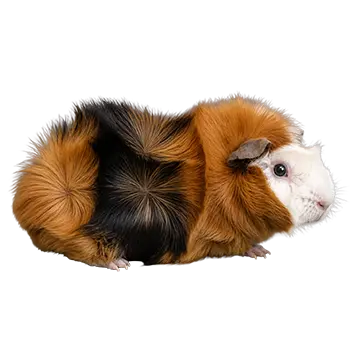

The Abyssinian guinea pig is one of the oldest recognized breeds of domestic guinea pig, with a lineage that traces back centuries. Despite its name, the breed has no direct connection to Abyssinia, the historical name for modern-day Ethiopia. The origin of the name remains a subject of speculation among historians and breeders, with some suggesting it was applied loosely during the Victorian era when exotic-sounding names were fashionable for novel pets.
Guinea pigs as a species were first domesticated by the Andean peoples of South America, particularly in the regions that now make up Peru, Bolivia, and Ecuador. Archaeological evidence suggests domestication occurred as early as 5000 BCE, primarily for use as a food source and in ceremonial practices. The Abyssinian variety, distinguished by its distinctive rosette coat pattern, likely emerged through natural genetic variation long before any formal selective breeding took place.
Spanish conquistadors and European traders brought guinea pigs to Europe during the 16th century, where the animals quickly gained popularity as exotic novelties. The rosetted coat of the Abyssinian made it particularly appealing to European collectors and animal enthusiasts. By the 17th century, guinea pigs had spread across much of Western Europe, and the Abyssinian's unique coat texture helped it stand out as a distinct and desirable type among early fanciers.
The transition from curiosity to recognized breed occurred gradually during the 18th and 19th centuries. As animal husbandry practices became more formalized, breeders began selecting specifically for the rosette pattern that defines the Abyssinian. The ideal specimen was expected to display a symmetrical arrangement of rosettes across the body, creating the tufted and slightly wild appearance that remains the breed's hallmark.