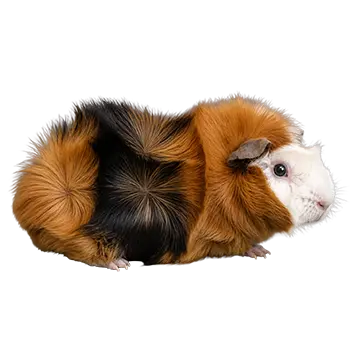

Guinea pigs, including the Abyssinian breed, are classified as domestic animals in most jurisdictions worldwide and are generally legal to own without special permits or licenses. Unlike exotic pets such as certain reptiles, primates, or large cats, guinea pigs do not typically fall under wildlife regulations or require species-specific ownership permits. This broad legal acceptance makes the Abyssinian one of the more straightforward companion animals to acquire and keep from a regulatory standpoint.
However, the absence of breed-specific restrictions does not mean guinea pig ownership is entirely unregulated. Many municipalities and local governments impose general animal welfare requirements that apply to all pet owners, including those who keep guinea pigs. These regulations may address minimum standards of care, such as providing adequate food, water, shelter, and veterinary attention. Failure to meet these standards can result in animal cruelty charges, which carry penalties ranging from fines to criminal prosecution depending on the jurisdiction.
Some countries have enacted particularly progressive animal welfare legislation that specifically addresses the needs of social species like guinea pigs. Switzerland, for example, requires that guinea pigs be kept in pairs or groups, reflecting scientific understanding of their social nature. Violating this requirement can result in legal consequences, as Swiss authorities consider solitary confinement of a social animal to be a form of neglect.
Prospective Abyssinian owners should research the specific laws and regulations applicable in their area before acquiring a guinea pig. While guinea pig ownership is broadly permitted, local ordinances can vary significantly, and understanding one's legal obligations is an essential part of responsible pet ownership. Consulting local animal control offices or municipal websites is typically the most reliable way to determine what regulations apply.