
Film & Television

The Turkish Van has made occasional appearances in documentary programming focused on rare and unusual cat breeds. Nature documentaries and breed-profile segments have frequently highlighted the breed's legendary affinity for water, often featuring footage of Turkish Vans wading into streams, playing in shallow pools, or demonstrating their remarkable comfort around water. These segments have introduced the breed to mainstream audiences who might otherwise never encounter such a rare cat.

Television programs dedicated to cat breeds and animal diversity have regularly included the Turkish Van in their lineups, typically positioning it as one of the world's most ancient and distinctive feline breeds. Shows exploring the biodiversity of Turkey's Anatolia region have also featured the cats maintained at the Van Cat Research Center, bringing international attention to the conservation efforts underway in the breed's homeland.

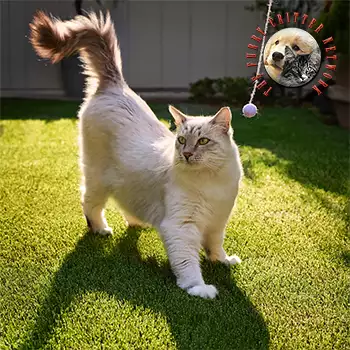
While the Turkish Van has not been cast as a named character in major feature films, its striking white coat with colored head and tail markings has made it a visually appealing choice for background appearances and brief on-screen moments in productions seeking an elegant or exotic feline presence. The breed's photogenic quality and calm confidence in varied environments make individual Turkish Vans well-suited to the demands of on-set work, though their relative rarity means they appear far less frequently than more common breeds.

Travel and culture programs focusing on eastern Turkey have also contributed to the breed's screen presence. Segments exploring the history and geography of the Lake Van region often include the local cats as a point of cultural interest, reinforcing the connection between the breed and its ancient homeland in the minds of international viewers.

Literature & Art

The Turkish Van has been the subject of several breed-specific books and chapters within broader works on cat breeds and feline history. Authors specializing in rare and ancient breeds have devoted considerable attention to the Turkish Van's origins, genetics, and cultural significance, helping to build a body of literature that appeals to both casual cat lovers and serious breed historians. These publications have played an important role in documenting the breed's story and making it accessible to English-speaking audiences.

In Turkish art and literature, the Van cat occupies a prominent position as a symbol of regional identity and natural heritage. Artists from the Van Province and surrounding areas have depicted the breed in paintings, illustrations, and sculpture, often emphasizing the cats' distinctive markings and their association with the dramatic landscapes of eastern Anatolia. These artistic representations reinforce the breed's cultural importance within Turkey and contribute to its visibility in galleries and cultural exhibitions.

The Turkish Van has also appeared in illustrated cat encyclopedias and coffee-table books celebrating the diversity of the world's cat breeds. Its unusual Van-pattern markings and striking eye colors, particularly the prized odd-eyed combination of one blue and one amber eye, make it a favorite subject for photographers seeking visually dramatic feline portraits. These images have circulated widely in print and digital media, contributing to the breed's reputation as one of the most beautiful cats in the world.

Children's books about cats and animals have occasionally featured the Turkish Van, typically in the context of stories about rare animals, Turkish culture, or the natural world. These appearances help introduce younger audiences to the breed and plant the seeds of interest that may later grow into deeper engagement with cat fancying and animal conservation.

Internet & Social Media

The internet has been a transformative platform for the Turkish Van, giving this rare breed a level of visibility that would have been impossible through traditional media alone. Dedicated breed forums, Facebook groups, and subreddit communities provide spaces where Turkish Van owners and enthusiasts can share photographs, discuss breeding and health topics, and celebrate the breed's unique personality traits. These online communities have created a global network of Turkish Van advocates that transcends geographic boundaries.

Video-sharing platforms have proven especially effective for showcasing the Turkish Van's most distinctive behaviors. Clips of Turkish Vans playing in water, leaping to impressive heights, and engaging in interactive play with their owners consistently attract attention and comments from viewers unfamiliar with the breed. The visual spectacle of a large, white, fluffy cat voluntarily splashing in a bathtub or sink is inherently shareable, and these videos have introduced the Turkish Van to audiences far beyond the cat fancy.

Instagram and similar photo-sharing platforms have given individual Turkish Vans dedicated followings, with owners curating accounts that showcase their cats' daily lives, personalities, and stunning looks. The breed's photogenic quality, particularly its brilliant white coat and expressive eyes, translates exceptionally well to the visual format of social media. Hashtags related to the breed help connect posts across platforms and make it easy for curious viewers to discover more about the Turkish Van.

The breed's online presence has also facilitated education and awareness around Turkish Van conservation. Organizations and breeders use social media to share information about responsible breeding practices, the breed's genetic uniqueness, and the importance of supporting conservation efforts in Turkey. This digital outreach has helped to attract new supporters to the cause and has raised the profile of institutions like the Van Cat Research Center among international audiences.

Advertising & Branding

The Turkish Van's elegant appearance and dramatic markings have made it an appealing choice for use in advertising and branding contexts, though its rarity means these appearances are less frequent than those of more common breeds. When Turkish Vans do appear in commercial imagery, they are typically used to convey themes of luxury, purity, natural beauty, or exotic heritage, capitalizing on the breed's striking white coat and regal bearing.

Within Turkey, the Turkish Van is prominently featured in tourism and regional branding for the Van Province. The cat appears on municipal signage, promotional materials, and cultural displays designed to attract visitors to the Lake Van region. A statue of the Turkish Van stands in the city of Van as a public monument to the breed, underscoring the cat's role as an ambassador for the region's natural and cultural heritage. This branding extends to regional products and souvenirs, where the Van cat's image is a recognizable and beloved motif.

International pet product companies have occasionally featured Turkish Van cats in marketing campaigns, particularly for premium cat food, grooming products, and lifestyle brands targeting discerning cat owners. The breed's association with antiquity, rarity, and natural purity aligns well with brand narratives emphasizing quality and authenticity. However, the limited number of Turkish Vans available for commercial work means that these appearances remain relatively uncommon compared to breeds with larger populations.

The term Van pattern itself has become a piece of branding within the broader cat world. Used by registries, breeders, and cat enthusiasts to describe the specific color distribution associated with the breed, the term reinforces the Turkish Van's identity every time it is invoked and keeps the breed's name in circulation even in discussions about other cats that happen to display a similar marking pattern.

The Popularity Effect

Media exposure has had a measurable, if modest, impact on interest in the Turkish Van. Documentaries, social media posts, and breed profiles that highlight the cat's water-loving reputation and ancient origins tend to generate spikes in online searches and inquiries to breeders. However, the breed's inherent rarity and the limited number of kittens available each year mean that increased interest does not always translate into increased ownership, creating a dynamic where demand often outpaces supply.

This imbalance between interest and availability has had both positive and negative effects on the breed. On the positive side, heightened awareness has attracted dedicated and knowledgeable owners who are genuinely committed to the breed's welfare and preservation. On the negative side, the perception of rarity and exclusivity can attract buyers motivated more by novelty than by a genuine understanding of the breed's needs, leading reputable breeders to implement careful screening processes for prospective owners.

The swimming cat label, while effective as a marketing hook, has also created challenges for the breed's public perception. Some new owners acquire Turkish Vans expecting a cat that will eagerly swim on command, only to discover that individual cats vary widely in their interest in water. Managing these expectations has become an important part of breeder education efforts, with experienced Turkish Van owners emphasizing that the breed's true appeal lies in its intelligence, athleticism, and affectionate but independent personality rather than any single behavioral trait.

Overall, the Turkish Van's media presence has served the breed well by raising awareness, supporting conservation narratives, and connecting enthusiasts across the globe. As long as media portrayals continue to present the breed accurately and responsibly, the Turkish Van stands to benefit from the growing public appetite for content about rare, beautiful, and historically significant animals.

Always consult a qualified professional before making any health-related decisions. This content is provided for informational reference only and should not replace professional guidance specific to your animal.