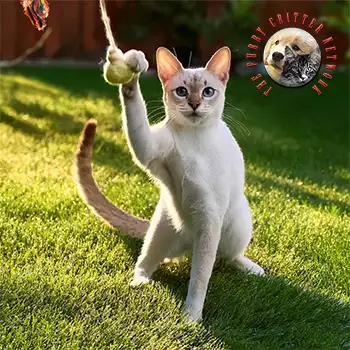

The Singapura cat takes its name from the Malay word for Singapore, and the breed's origin story is closely intertwined with the island nation itself. According to the most widely circulated account, American cat breeders Hal and Tommy Meadow brought several small, ticked-coat cats from Singapore to the United States in the early 1970s. These cats were said to have been found living as street cats in the drainage culverts and alleys of Singapore's urban landscape, surviving on scraps and their own resourcefulness.
The breed's development in the West began in earnest when the Meadows started a selective breeding program using the cats they had imported. Their goal was to preserve the distinctive physical traits of these compact felines, particularly their large eyes, oversized ears, and warm sepia agouti coat pattern. By the late 1970s, the breed was attracting attention from the broader cat fancy community and gaining a small but devoted following among breeders who admired the Singapura's unique combination of diminutive size and lively personality.
The path to breed recognition was not without controversy. Questions arose in the 1990s about the precise origins of the foundation cats, with some investigators suggesting that the original imports may have had ties to existing Burmese and Abyssinian lines rather than being entirely feral Singaporean street cats. Despite these debates, major registries ultimately accepted the Singapura based on its established breeding lines and consistent phenotype, and the breed has maintained a steady presence in the cat fancy ever since.
The Cat Fanciers' Association granted the Singapura championship status in 1988, solidifying its place among recognized pedigree breeds. The International Cat Association and other global registries followed with their own recognition. Today, the breed's development continues under careful stewardship by dedicated breeders who prioritize maintaining the Singapura's distinctive look while promoting genetic health and diversity within the relatively small breeding population.