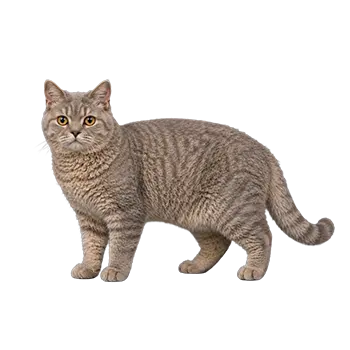

Unlike certain dog breeds that face widespread breed-specific legislation, the Selkirk Rex is not subject to any breed-targeted bans or restrictions in any known jurisdiction. Cat breeds in general are far less likely to be affected by breed-specific legislation than dogs, as the legal frameworks that restrict or ban certain breeds have historically been developed in response to concerns about dog attacks and public safety rather than feline behavior.
However, cat owners should be aware that some jurisdictions have enacted broader animal control ordinances that can affect all cat breeds, including the Selkirk Rex. These may include mandatory licensing requirements, limits on the number of cats that can be kept in a single household, and regulations governing outdoor access. Such laws vary significantly by municipality and can change without extensive public notice, so owners are encouraged to check local ordinances regularly.
In some regions, the distinction between domestic cats and hybrid or exotic felines has legal significance. The Selkirk Rex, as a fully domestic breed with no wild ancestry, does not fall under the exotic animal regulations that affect breeds like the Bengal or Savannah in certain jurisdictions. This makes the Selkirk Rex a straightforward choice for owners who want to avoid the regulatory complexity associated with hybrid cat breeds.
Prospective Selkirk Rex owners who are considering moving to a new jurisdiction should research local animal control laws before relocating. While breed-specific restrictions on cats remain uncommon, general cat ownership regulations can vary substantially between cities, counties, and states, and what is permitted in one location may require permits or special accommodations in another.