
Film & Television

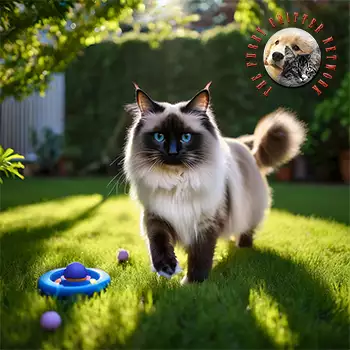
Ragdolls have made occasional but memorable appearances in film and television, often cast for their striking blue eyes and photogenic coats. Their calm temperament makes them well-suited to the demands of on-set production, where animals must tolerate bright lights, repeated takes, and the presence of large crews. Trainers and animal wranglers frequently note that Ragdolls are among the easiest cat breeds to work with in filmed entertainment because of their relaxed disposition and tolerance for handling.

While no single Ragdoll has achieved the lasting fame of some on-screen dogs, the breed has appeared in a variety of television programs, commercials, and independent films. Ragdolls are often selected when a script calls for a visually impressive, luxurious-looking cat that reads well on camera. Their large size and distinctive colorpoint markings help them stand out in scenes where a cat might otherwise be overlooked.

Documentary and educational programming about cat breeds regularly features the Ragdoll. Breed profile segments on animal-focused channels and streaming platforms frequently highlight the Ragdoll's origin story, temperament, and care requirements. These appearances have contributed to public awareness of the breed, particularly among viewers who may not be familiar with the range of pedigreed cat breeds available.

The breed's presence in visual media, while not as dominant as breeds like the Persian or Siamese, has steadily grown alongside the Ragdoll's rise in overall popularity. As the breed continues to rank among the most registered cats worldwide, its visibility in film and television is likely to increase accordingly.

Literature & Art

The Ragdoll has been the subject of numerous breed-specific books, care guides, and coffee-table photography collections. Authors and photographers are drawn to the breed's visual appeal and its compelling origin story, which provides rich material for narrative nonfiction. Several well-regarded breed guides trace the Ragdoll's history from Ann Baker's original cattery through its acceptance by major registries, offering prospective owners both practical advice and historical context.

In the world of cat fancy literature, the Ragdoll occupies a distinctive niche. The breed's unusual founding story, complete with colorful personalities and legal disputes over naming rights, has made it a favorite subject for writers exploring the culture of pedigreed cat breeding. These accounts often read as much as character studies of the human breeders involved as they do as profiles of the cats themselves.

Artists working in various media have depicted Ragdolls in paintings, illustrations, and digital art. The breed's blue eyes and flowing coat lend themselves to portraiture, and Ragdoll-themed artwork is popular among breed enthusiasts. Online marketplaces and pet art communities feature a thriving market for custom Ragdoll portraits, ranging from realistic oil paintings to stylized digital illustrations.

Children's books featuring cats occasionally include Ragdoll characters, typically emphasizing the breed's gentle and friendly nature. While the Ragdoll has not become as iconic in children's literature as some other cat breeds, its growing popularity has led to increased representation in books aimed at young readers who are curious about different types of cats.

Internet & Social Media

The Ragdoll is one of the most popular cat breeds on social media, with dedicated accounts on platforms like Instagram, TikTok, and YouTube attracting millions of followers. The breed's photogenic qualities — striking blue eyes, plush coat, and large, expressive body — make Ragdolls natural subjects for visual content. Owners frequently share videos of their Ragdolls going limp when picked up, greeting them at the door, or engaging in other characteristically dog-like behaviors that distinguish the breed.

Several Ragdoll-focused social media accounts have achieved significant followings, turning individual cats into minor celebrities. These accounts often document the daily life of a Ragdoll household, offering a mix of cute moments, grooming routines, and breed education. The comment sections of popular Ragdoll posts frequently include questions from prospective owners asking about temperament, care, and where to find reputable breeders.

Online communities dedicated to the Ragdoll breed are active and well-established. Forums, Facebook groups, and subreddits devoted to Ragdoll ownership provide spaces for sharing advice, troubleshooting health concerns, and celebrating the breed. These communities often serve as informal support networks for new owners navigating the early months of Ragdoll ownership, from kitten-proofing a home to managing the breed's grooming needs.

The breed's internet presence has had a measurable impact on demand. Breeders frequently report that new inquiries reference social media content as their introduction to the breed. This digital visibility has helped the Ragdoll maintain its position as one of the most sought-after cat breeds globally, though it has also increased the need for education about responsible breeding and avoiding scams targeting eager buyers online.

Advertising & Branding

Ragdolls appear regularly in advertising for pet products, luxury goods, and lifestyle brands. Their elegant appearance and calm demeanor make them effective visual ambassadors for products ranging from premium cat food to home furnishings. Advertisers value the breed's ability to convey sophistication and warmth simultaneously, qualities that align well with brands targeting affluent, design-conscious consumers.

Pet industry marketing has embraced the Ragdoll as a flagship breed for premium product lines. High-end cat food brands, grooming product manufacturers, and specialty cat furniture companies frequently feature Ragdolls in their promotional materials. The breed's association with indoor living and attentive care aligns naturally with products that emphasize quality, health, and the bond between owner and pet.

Beyond the pet industry, Ragdolls have appeared in broader lifestyle and home décor advertising. Their visual compatibility with well-appointed interiors makes them a natural fit for brands selling furniture, textiles, and home accessories. A Ragdoll draped across a designer sofa communicates comfort, luxury, and taste in a single image, making the breed a popular choice for art directors and creative teams.

The breed's growing presence in advertising reflects its broader cultural ascendance. As the Ragdoll has climbed registration rankings and social media popularity charts, its commercial value as a brand symbol has increased proportionally. This visibility creates a feedback loop: advertising exposure introduces the breed to new audiences, who then seek out Ragdolls as pets, further cementing the breed's cultural profile.

The Popularity Effect

The Ragdoll's rise to the top of breed popularity rankings has had far-reaching effects on the breed and its community. Increased demand has expanded the number of active breeding programs worldwide, bringing new genetic diversity and energy to the breed. At the same time, the surge in popularity has raised concerns about overbreeding, the proliferation of unscrupulous sellers, and the potential dilution of breed standards as less experienced breeders enter the market.

One of the most visible effects of the Ragdoll's popularity is the lengthening of breeder waiting lists. Prospective owners in many regions report wait times of six months to a year or more for kittens from health-tested, reputable breeders. This scarcity has driven up prices and created opportunities for kitten mills and online scammers who exploit the gap between demand and responsible supply. Breed clubs and experienced breeders devote significant effort to educating the public about red flags to watch for when purchasing a Ragdoll kitten.

The popularity effect has also influenced the breed's representation in shelters and rescue organizations. While Ragdolls were once rarely seen in rescue settings, their increased numbers mean that more Ragdolls and Ragdoll mixes are now available through breed-specific rescues and general shelters. Organizations such as Ragdoll Rescue groups operate in multiple countries, rehoming cats that have been surrendered, abandoned, or retired from breeding programs.

Culturally, the Ragdoll's popularity has reinforced a broader trend toward large, affectionate, indoor-oriented cat breeds. The breed's success has arguably paved the way for increased interest in other gentle giants such as the Maine Coon and the British Shorthair. As cat ownership continues to grow globally, the Ragdoll's influence on what people expect from a companion cat — calm temperament, strong human bond, and striking appearance — is likely to persist for years to come.

Always consult a qualified professional before making any health-related decisions. This content is provided for informational reference only and should not replace professional guidance specific to your animal.