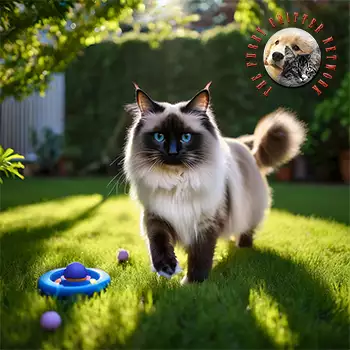

The Ragdoll breed traces its beginnings to Riverside, California, in the early 1960s. A woman named Ann Baker developed the breed using a domestic longhaired white cat named Josephine and several other cats she selected for their temperament, size, and striking pointed coloration. Baker noticed that Josephine's kittens displayed an unusually relaxed, docile disposition and a tendency to go limp when picked up, which inspired the name "Ragdoll."
Baker's breeding program was unconventional from the start. She maintained tight control over the breed's development and established her own registry, the International Ragdoll Cat Association (IRCA), rather than working through established cat fancier organizations. She also trademarked the Ragdoll name and imposed strict franchising agreements on anyone who wished to breed Ragdolls under her program. These restrictions created tension within the breeding community but also ensured a degree of consistency in the breed's early years.
In the late 1960s and 1970s, a husband-and-wife team, Denny and Laura Dayton, purchased breeding pairs from Baker and began working to establish the Ragdoll within mainstream cat registries. Their efforts were instrumental in gaining the breed recognition from organizations such as the Cat Fanciers' Association (CFA) and The International Cat Association (TICA). The Daytons developed the breed standard that most registries follow today, emphasizing the Ragdoll's large frame, blue eyes, and colorpoint coat pattern.
By the 1980s, the Ragdoll had gained a dedicated following in the United States and was beginning to attract attention internationally. Breeders in the United Kingdom and continental Europe imported foundation stock, and the breed gradually spread to Australia and other regions. The separation between Baker's original IRCA program and the mainstream Ragdoll community became permanent during this period, with the wider breeding community embracing standardized registry recognition.