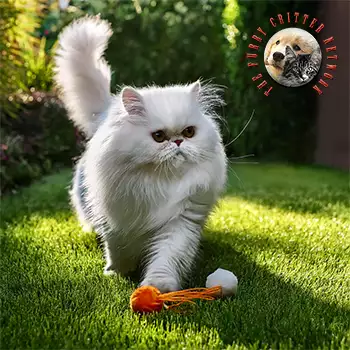

The Persian cat has carved out a distinctive niche in film and television, most often cast in roles that emphasize luxury, mystery, or villainy. Perhaps the most iconic cinematic Persian is Mr. Bigglesworth from the Austin Powers franchise, a white Persian whose presence on the lap of the main antagonist became one of the series' most memorable visual gags. The character was itself a parody of the white Persian famously associated with the James Bond villain Ernst Stavro Blofeld, whose unnamed cat appeared in several Bond films beginning in the 1960s and became a lasting symbol of sophisticated menace.
The trope of the villain stroking a Persian cat has become so deeply embedded in popular culture that it transcends any single film or franchise. Directors and screenwriters continue to reach for the image whenever they want to signal wealth, power, and moral ambiguity, and audiences instantly recognize the shorthand. This typecasting has given the Persian a dual reputation in cinema: simultaneously a symbol of elegance and a visual cue for danger lurking beneath a polished surface.
On the television side, Persians have appeared in numerous shows as the pets of wealthy or eccentric characters. Their photogenic qualities and calm on-set temperament make them practical choices for productions that require a cat to sit still and look beautiful on camera. Animal trainers have noted that the Persian's naturally placid disposition makes the breed easier to work with than more active and unpredictable cat breeds, which partly explains their outsized representation in visual media.
Animated productions have also drawn heavily on the Persian's distinctive appearance. The breed's flat face, large round eyes, and flowing coat translate well into character design, and animated Persians have appeared in children's films, television series, and video games. These stylized representations often exaggerate the breed's features for comedic or dramatic effect, further cementing the Persian's status as the default "fancy cat" in the public imagination.