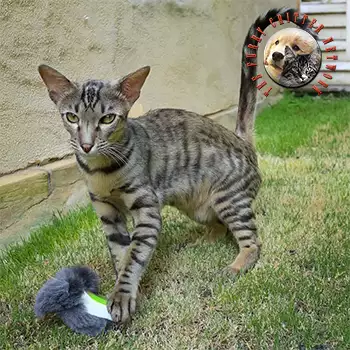

The Oriental Shorthair has made periodic appearances in film and television, though it is often overshadowed by its more widely recognized Siamese relative. Because the two breeds share such a similar body type, Oriental Shorthairs have occasionally been cast in roles calling for a Siamese look but in a non-pointed color, giving filmmakers greater visual flexibility when selecting animal actors. The breed's trainability and comfort with human interaction make it well-suited to on-set work, though the demands of film production require cats with particularly calm and adaptable temperaments.
In television, the Oriental Shorthair has appeared in various pet-focused programs and breed showcase segments. Documentary-style shows exploring unusual or visually striking cat breeds frequently feature Orientals, drawn by their distinctive ear-to-face proportions and angular profiles that read exceptionally well on camera. These appearances tend to introduce the breed to audiences who may be unfamiliar with anything beyond the most common household cat types.
The breed has also appeared in international cinema, particularly in European and Asian productions where cat breeds with an elegant, exotic appearance are favored for establishing character or setting. An Oriental Shorthair lounging in a character's apartment can instantly signal sophistication and taste to the audience without a word of dialogue. This kind of visual shorthand relies on the breed's unmistakable silhouette and has helped cement its association with refinement in popular media.
Animal trainers who work with Oriental Shorthairs in film and television settings frequently note the breed's intelligence and desire to engage with handlers. Unlike some cat breeds that tolerate direction passively, Orientals often actively participate in training exercises, learning cues quickly and showing enthusiasm for repeated takes. This cooperative nature, combined with their striking appearance, positions the breed well for continued media work.