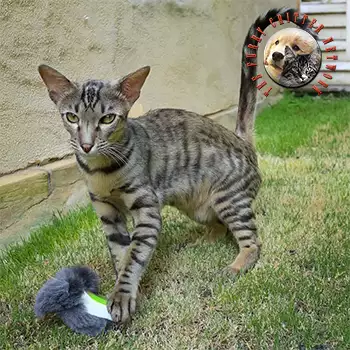

The Oriental Shorthair owes its existence to the Siamese cat, one of the oldest and most recognizable breeds in the world. Following World War II, cat breeding programs across Britain had been severely disrupted, and many pedigree lines were dangerously thin. British breeders began crossing Siamese cats with domestic shorthairs, Russian Blues, Abyssinians, and other available breeds in an effort to rebuild genetic diversity and expand the range of coat colors and patterns beyond the traditional Siamese pointed look.
These crossbreeding programs produced kittens that carried the elegant, elongated body type and vivid personality of the Siamese but displayed solid, tabby, and bicolor coats rather than pointed markings. Rather than discarding these non-pointed offspring, breeders recognized them as a distinct and appealing type. Through careful selection over successive generations during the 1950s and 1960s, breeders refined the look and established consistent type standards that distinguished these cats from their Siamese cousins while retaining the shared body architecture.
By the early 1970s, the breed had made the transatlantic crossing to the United States, where American breeders embraced and further developed the Oriental Shorthair. The Cat Fanciers' Association granted the breed Championship status in 1977, solidifying its place in the pedigree cat world. Today the Oriental Shorthair is recognized by every major cat registry worldwide and boasts one of the largest recognized palettes of colors and patterns of any cat breed, with over 300 combinations accepted in various standards.
The breed's development represents one of the most deliberate and successful diversification efforts in cat fancy history. Breeders managed to preserve the distinctive Siamese silhouette — the wedge-shaped head, large flared ears, almond-shaped eyes, and long whip-like tail — while opening the door to an extraordinary range of visual expression. This achievement required decades of patient work and meticulous record-keeping across multiple continents.