
Breed-Specific Legislation & Classification

Unlike some wild hybrid cat breeds, the Ocicat is classified as a fully domestic cat by every major registry and regulatory body. This classification is significant because it means the Ocicat is not subject to the exotic or wild animal ownership restrictions that apply to breeds with recent wild ancestry, such as early-generation Bengals or Savannahs. Prospective owners can generally acquire and keep an Ocicat without needing any special exotic animal permits.

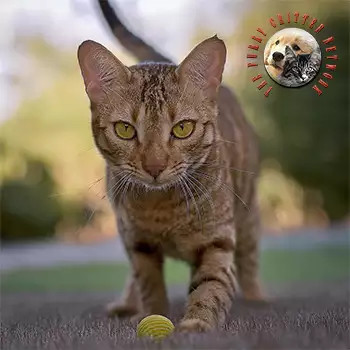
However, the Ocicat's wild appearance can occasionally create confusion. Some local animal control officers or landlords unfamiliar with cat breeds may mistake an Ocicat for a wild hybrid and raise questions about its legal status. Owners can preempt this issue by keeping registration papers and pedigree documentation readily available to demonstrate the breed's entirely domestic lineage.

In jurisdictions that regulate hybrid cat ownership by filial generation, the Ocicat is exempt because it has no wild cat ancestors at any generational distance. States like New York and Hawaii, which impose strict rules on hybrid cats, do not restrict Ocicat ownership. Similarly, countries like Australia, which ban the importation of hybrid cats due to concerns about ecological impact, generally permit domestic breeds including the Ocicat.

It is worth noting that while breed-specific legislation for cats is far less common than for dogs, the regulatory landscape is not static. Owners should stay informed about local and state regulations, as new ordinances can emerge that affect cat ownership more broadly. Breed clubs and cat registries typically track legislative developments and alert their members to proposed changes.

Ownership Requirements

Ocicat ownership is governed by the same general cat ownership laws that apply to all domestic felines. In most jurisdictions, this means compliance with licensing requirements, vaccination mandates, and spay/neuter ordinances. The specifics vary considerably by location, so owners should research the regulations in their particular city, county, and state.

Many municipalities require cat owners to license their pets, typically on an annual basis. Licensing fees are usually modest, and the process generally requires proof of a current rabies vaccination. Some jurisdictions offer reduced licensing fees for spayed or neutered cats, and a few require microchipping as part of the licensing process.

Rabies vaccination is legally required for cats in the vast majority of U.S. states and in many countries worldwide. The Ocicat is no exception, and owners must maintain current vaccination records. Some states accept three-year rabies vaccines for cats, while others require annual boosters. Owners traveling across state lines should verify the vaccination requirements of their destination.

Purchasing an Ocicat from a breeder typically involves a written contract that specifies the terms of the sale, health guarantees, spay/neuter requirements for pet-quality kittens, and the breeder's policies on returns or rehoming. These contracts are legally binding and protect both the buyer and the breeder. Prospective owners should read contracts carefully and understand their obligations before signing, including any restrictions on declawing, outdoor access, or breeding rights.

Liability & Insurance

Cat owners bear legal responsibility for damage or injury caused by their pets, and Ocicat owners are no exception. While cats are generally less likely than dogs to cause serious injury to people, liability issues can arise from bites, scratches, property damage, or allergic reactions in guests or visitors. Understanding the basics of pet liability law helps owners protect themselves and others.

Most homeowner's and renter's insurance policies provide some coverage for pet-related liability, but the specifics vary by insurer and policy. Unlike certain dog breeds that may be excluded from coverage, domestic cat breeds including the Ocicat are rarely singled out for exclusions or surcharges. However, owners should review their policy language to confirm that cat-related incidents are covered and to understand the limits of that coverage.

In cases where an Ocicat causes injury—most commonly through a bite or scratch—the owner may be held liable under negligence principles or, in some jurisdictions, under strict liability statutes that hold pet owners responsible regardless of whether they knew the animal posed a risk. The Ocicat's size and strength, while modest compared to dogs, can produce bites or scratches that require medical attention, particularly in interactions with children or elderly individuals.

Owners who breed Ocicats face additional liability considerations. Breeders may be held responsible for the health and temperament of kittens they sell, and breeder contracts typically include provisions addressing these issues. Carrying appropriate insurance and maintaining thorough health-testing records helps breeders manage their legal exposure.

Housing Restrictions

Housing is one of the most common legal challenges faced by cat owners, and Ocicat owners should be prepared to navigate pet policies in rental properties, condominiums, and homeowners' associations. While federal fair housing laws protect assistance animals regardless of pet policies, companion Ocicats without assistance animal status are subject to the same restrictions as any other pet.

Many landlords and property management companies impose pet deposits, monthly pet fees, or breed and size restrictions. While cat breed restrictions are less common than dog breed restrictions, some properties limit the number of cats allowed per unit or ban pets entirely. The Ocicat's relatively large size—males can reach 15 pounds—may occasionally bump against weight limits set by certain properties.

The Ocicat's wild appearance can sometimes raise concerns among landlords or housing boards unfamiliar with the breed. An owner who can provide registration papers, a letter from their veterinarian confirming the cat's domestic status, or educational materials about the breed can usually resolve these concerns quickly. Breed clubs often provide informational resources specifically designed for this purpose.

For owners purchasing homes in communities governed by homeowners' associations, reviewing the HOA's pet policies before buying is essential. Some HOAs restrict the number of pets, require pets to be kept indoors, or impose other conditions that may affect Ocicat ownership. Understanding these rules in advance prevents conflicts and ensures that owners can comply with community standards while providing their cats with appropriate care.

Import & Export Regulations

International travel or relocation with an Ocicat involves navigating a complex web of import and export regulations that vary by country. Because the Ocicat is classified as a domestic cat, it is not subject to CITES restrictions or the wildlife import regulations that apply to wild or hybrid species. However, standard pet import requirements must be met, and these can be substantial.

Most countries require an international health certificate issued by an accredited veterinarian within a specified timeframe before travel, typically 10 days. The certificate must confirm that the cat is healthy, free of signs of infectious disease, and current on required vaccinations. Rabies vaccination is universally required, and some countries mandate a waiting period after vaccination before entry is permitted.

The European Union requires cats entering from non-EU countries to have an ISO-compliant microchip, a valid rabies vaccination administered after microchipping, and in some cases a rabies titer test demonstrating adequate antibody levels. The titer test must be performed by an approved laboratory, and results can take several weeks, so planning well in advance is essential.

Countries with strict biosecurity regimes, such as Australia, New Zealand, and the United Kingdom, impose extended quarantine periods or rigorous pre-arrival testing and treatment protocols. Australia's requirements are among the most demanding in the world, involving months of preparation including multiple parasite treatments, blood tests, and a minimum 10-day quarantine upon arrival. Owners planning international moves should begin the import process at least six months in advance and consult with both their veterinarian and the destination country's agricultural authority.

Rescue & Shelter Law

Ocicats that end up in shelters or rescue organizations are subject to the same animal welfare and adoption laws that govern all domestic cats. Shelters are generally required to hold stray cats for a minimum period—typically three to five days—before making them available for adoption or transfer to rescue groups. This holding period allows owners to reclaim lost pets and is mandated by state or local statute.

Breed-specific rescue organizations play an important role in the Ocicat community. Because the breed is relatively rare, Ocicats that enter the general shelter system may not be recognized by breed and can be adopted out as generic domestic shorthairs. Breed rescue groups work to identify Ocicats in shelters, facilitate transfers, and place them in homes familiar with the breed's specific needs and temperament.

Breeder contracts often include clauses requiring that if an owner can no longer keep their Ocicat, the cat must be returned to the breeder rather than surrendered to a shelter. These return clauses are generally enforceable and serve as an important safety net for the breed. Reputable breeders take lifetime responsibility for the cats they produce and will accept returns at any age.

Adoption from rescue organizations typically involves an application process, a home visit or interview, and an adoption fee that covers veterinary care, spaying or neutering, and microchipping. Some rescue groups require adopters to sign agreements specifying indoor-only housing, regular veterinary care, and a commitment to return the cat to the rescue if the adoption does not work out. These agreements are designed to protect the welfare of the animal and ensure a stable, permanent placement.

Always consult a qualified professional before making any health-related decisions. This content is provided for informational reference only and should not replace professional guidance specific to your animal.