
Breeding Regulations & Welfare Law

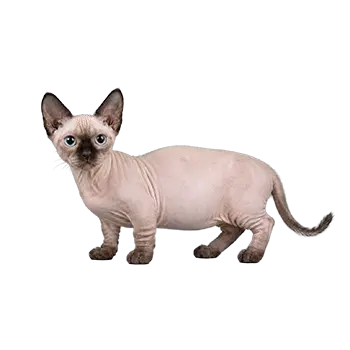
Unlike certain dog breeds, cats are rarely subject to breed-specific ownership bans. The legal questions surrounding the Minskin instead center on breeding regulation, because two of its defining traits — short legs and hairlessness — fall within the scope of animal-welfare law in some jurisdictions.

Several countries, particularly in Europe, have provisions addressing what is sometimes termed the deliberate breeding of traits associated with physical harm or deformity. Depending on how authorities interpret these laws, breeding cats for short legs or hairlessness can fall under restriction or prohibition, and the specifics vary considerably by country and even by region.

This information is general and educational and is not legal advice. Anyone considering breeding or importing a Minskin should confirm the current rules with the relevant national or regional animal-welfare authority, as the law in this area continues to evolve.

Ownership Requirements

In most places, owning a Minskin is legally indistinguishable from owning any other domestic cat and requires no special permit. Standard companion-animal rules apply, which commonly include licensing or registration in some municipalities, rabies vaccination where mandated, and a general duty of care.

Local ordinances may set limits on the number of cats kept in a household or impose requirements related to spaying and neutering. These rules apply to cats generally rather than to the Minskin in particular.

Prospective owners should check their local municipal and regional regulations, since requirements differ widely between jurisdictions even within the same country.

Liability & Insurance

Cats generate fewer liability concerns than dogs, and cat-specific liability insurance is uncommon. Most household or renter's insurance policies that address pets do so primarily with dogs in mind, and cats are seldom singled out by breed.

The more relevant financial consideration for Minskin owners is health-related. Hairless and dwarf cats can carry breed-associated care needs, and pet health insurance providers vary in how they treat hereditary or pre-existing conditions, so policy terms are worth reading carefully before enrolling.

This is general information rather than insurance or legal advice; specific coverage questions should be directed to a licensed insurer or broker.

Housing & Rental Restrictions

Rental housing frequently restricts pets, and while these policies usually target dogs by breed or size, cats are commonly limited by number or by blanket no-pet clauses. The Minskin is rarely named specifically, but standard cat restrictions still apply.

For the owner of a temperature-sensitive, largely hairless cat, housing considerations extend beyond legality to suitability: a stable indoor climate and protection from cold drafts or direct sun matter for the breed's wellbeing and can influence where an owner chooses to live.

Tenants should review their lease terms and, where pets are permitted, clarify any deposit, fee, or documentation requirements with the landlord or property manager in writing.

Import & Export Regulations

Moving a Minskin across international borders involves the same framework that governs any cat: import permits, microchip identification, rabies vaccination, and sometimes blood testing or quarantine, depending on the origin and destination countries.

An added complication for this breed is that some destinations regulate or restrict cats bred for traits such as dwarfism or hairlessness. In such places a Minskin could face additional scrutiny that would not apply to a conventional domestic cat.

Because requirements and timelines vary and change, owners planning international travel or relocation should consult the destination country's official veterinary or agricultural authority well in advance and confirm any breed-related provisions directly.

Rescue & Rehoming

Given the breed's rarity, Minskins seldom appear in general shelters, and dedicated breed-specific rescue is limited. When Minskins do need rehoming it often happens through breeders, hairless- or specialty-breed rescue networks, and the wider cat-rescue community.

Adoption and surrender are governed by ordinary animal-welfare and contract law. Reputable breeders frequently include return-to-breeder clauses in their contracts, intended to ensure a cat can come back to a knowledgeable home rather than entering general shelter channels.

Anyone adopting a Minskin from a rescue should clarify the cat's health history and any contractual conditions, and make sure they understand the breed's particular warmth, skin-care, and grooming needs before taking it on.

Always consult a qualified professional before making any health-related decisions. This content is provided for informational reference only and should not replace professional guidance specific to your animal.