
Car Travel

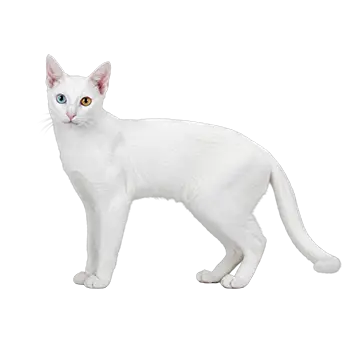
Most cats, including the Khao Manee, are not natural travelers, and car journeys are best approached with patience and preparation. A secure, well-ventilated carrier is essential; allowing a cat to roam loose in a moving vehicle is dangerous for both the animal and the driver.

Gradual acclimation makes a significant difference. Leaving the carrier out at home as a familiar resting spot, then building up from short practice drives to longer trips, helps reduce the stress many cats feel when traveling. Familiar bedding and, for some cats, calming aids recommended by a veterinarian can further ease the experience.

The Khao Manee's lively, social nature can cut both ways on the road; some individuals settle once they feel secure, while others vocalize their displeasure. Owners should never leave a cat unattended in a parked car, where temperatures can become dangerous quickly, and should plan stops and supplies for any longer journey.

Air Travel

Air travel with a cat requires advance planning, since airline policies on pets vary widely. Many carriers permit small cats to travel in the cabin in an approved carrier that fits under the seat, which is generally the safest and least stressful option when available.

Health documentation is almost always required. Airlines and destinations typically ask for proof of vaccination and a recent health certificate, and international flights add the import and quarantine considerations described in the legal overview. Booking early matters, as cabin pet spaces are often limited per flight.

For a valuable and people-oriented breed like the Khao Manee, in-cabin travel is strongly preferable to cargo whenever possible, keeping the cat close, calm, and within a stable environment. Owners should confirm carrier dimensions, fees, and documentation requirements directly with the airline well before the travel date, since rules can change and differ between carriers.

Pet-Friendly Accommodations

Finding suitable lodging is far easier than it once was, with a growing number of hotels, rentals, and other accommodations welcoming cats, though policies and fees vary. Confirming a property's pet rules at the time of booking avoids unwelcome surprises on arrival.

When settling a cat into unfamiliar lodging, a confined, secure space helps it adjust. Bringing familiar items such as bedding, a litter tray, and favorite toys provides reassurance, and keeping the cat in one room initially prevents escapes and reduces stress.

The Khao Manee's curious, active temperament means rooms should be checked for hazards and escape routes, particularly open windows and gaps. Its pure-white coat also warrants attention to sun exposure near bright windows, since white cats can be prone to sunburn on the ears with prolonged direct sunlight.

Boarding & Pet Sitting

When travel without the cat is unavoidable, quality boarding or in-home pet sitting keeps a Khao Manee safe and cared for. Many owners of social breeds prefer in-home care, since it spares the cat the stress of an unfamiliar facility and maintains its normal routine.

Reputable catteries and professional sitters should be vetted in advance. Owners typically confirm vaccination requirements, review the care environment, and leave detailed instructions covering feeding, litter, medication, and emergency contacts. For a valuable rare breed, security and trustworthiness are especially important.

The Khao Manee's sociability means it generally does not thrive on prolonged isolation, so whichever option is chosen, regular interaction matters. Clear communication with the caregiver about the cat's personality, habits, and any special considerations helps ensure a smooth experience for both cat and owner.

Emergency Preparedness

Including pets in emergency planning is a responsibility every owner shares. A prepared kit for the Khao Manee should cover several days of food, water, medication, and basic supplies, along with a secure carrier kept readily accessible for rapid evacuation.

Identification is critical in an emergency. A microchip with current registration details, backed up by recent photographs and copies of vaccination and registration records, greatly improves the odds of reunion if a cat becomes lost. Knowing in advance which shelters, hotels, or contacts can accommodate a pet during a crisis saves precious time.

For a rare and valuable breed, owners may also keep records that prove ownership and pedigree in case of loss or theft. Practicing calm, efficient carrier loading in advance, and keeping the cat reliably contained during any emergency, helps protect an animal that may be frightened and prone to bolting under stress.

Always consult a qualified professional before making any health-related decisions. This content is provided for informational reference only and should not replace professional guidance specific to your animal.