
Breed-Specific Legislation

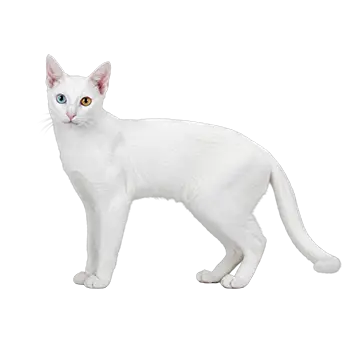
Breed-specific legislation, which restricts or bans particular types of animal, overwhelmingly targets dogs rather than cats. The Khao Manee, like domestic cats generally, is not the subject of breed bans, and prospective owners are very unlikely to encounter laws that prohibit the breed by name.

This informational overview is not legal advice. Laws governing animals vary widely between countries, states, and municipalities, and they change over time. Owners should always confirm the current rules in their own jurisdiction with the relevant local authority.

While cats escape the breed bans that affect some dogs, they are not entirely free of regulation. General cat ordinances, rather than breed-specific ones, are the laws most likely to apply, and these are covered in the sections that follow.

Ownership Requirements

In many jurisdictions, basic cat ownership carries few formal requirements, but this varies considerably by location. Some municipalities require cats to be licensed or registered, some mandate microchipping, and many require rabies vaccination where rabies is present, particularly for cats with any outdoor access.

Responsible ownership practices often align with legal requirements even where the law is silent. Keeping vaccinations current, ensuring identification through microchipping, and maintaining records of veterinary care are widely recommended and are sometimes legally required, especially if an owner intends to travel or show the cat.

Because the Khao Manee is a pedigree breed, owners who plan to breed or exhibit may also need to comply with registry rules and, in some places, local breeder or cattery regulations. These are administrative requirements set by registries and local authorities rather than restrictions on the breed itself. As always, owners should verify the specific obligations that apply where they live.

Liability & Insurance

Cats generally present far lower liability exposure than dogs, and Khao Manee owners are unlikely to face the insurance complications sometimes associated with certain dog breeds. Most homeowner and renter insurance policies do not single out cat breeds, and feline-related liability claims are comparatively rare.

That said, owners remain generally responsible for their animals. In some jurisdictions an owner can bear liability if their cat causes damage or injury, and rules on roaming, trespass, and nuisance can apply. Keeping a valuable pedigree cat indoors, a common recommendation for the breed, reduces both liability exposure and risk to the cat.

Owners of a rare and valuable breed may also wish to consider pet insurance that covers veterinary costs, and in some cases coverage that addresses theft or loss. This overview is informational only; insurance terms differ by provider and region, and owners should review policy details directly with their insurer.

Housing Restrictions

The most common legal constraints cat owners encounter relate to housing rather than the animal itself. Rental agreements, condominium bylaws, and homeowners' association rules frequently limit whether pets are allowed, how many may be kept, and what conditions apply.

Some jurisdictions and housing arrangements impose limits on the number of cats per household, and others require that cats be kept indoors or otherwise contained. Because the Khao Manee is typically recommended as an indoor cat, it generally suits housing situations that prohibit free-roaming pets.

Prospective owners who rent or live in managed communities should confirm pet policies before acquiring a cat, and should obtain any required permissions in writing. This is a matter of contract and local rule rather than breed restriction, and the specifics vary from one property and locality to the next.

Import & Export Regulations

Domestic cats, including the Khao Manee, are not listed under the Convention on International Trade in Endangered Species (CITES), so international movement is governed by ordinary animal import and export rules rather than endangered-species controls. Nonetheless, those ordinary rules can be demanding.

Moving a cat across international borders typically requires up-to-date vaccinations, an official health certificate, microchip identification, and compliance with the destination country's specific entry requirements. Some countries impose quarantine periods or additional testing, particularly regarding rabies, and requirements differ sharply between regions.

Because many Khao Manee originate in Thailand, owners and breeders importing cats should also account for Thai export documentation and the import conditions of the receiving country. These processes can be lengthy and detailed. This section is informational only, and anyone planning to import or export a cat should consult the relevant government veterinary or customs authorities well in advance.

Rescue & Shelter Law

Given its rarity, the Khao Manee very seldom appears in general animal shelters, and breed-specific rescue networks for it are small. Most cats surrendered to shelters are mixed-breed domestics, and a purebred Khao Manee in a shelter setting would be unusual.

Shelter and rescue operations are governed by animal welfare laws that set standards for housing, care, holding periods, and adoption procedures. These laws apply to any cat in their care regardless of breed, and they shape how a surrendered or stray cat is handled before adoption.

Prospective owners hoping to acquire the breed ethically are far more likely to work with reputable breeders or specialized preservation networks than with general rescues. Where breed-specific rescue does exist, it is usually run by enthusiasts who apply careful screening. As with all matters in this overview, owners should treat the information as general background rather than legal guidance and verify local requirements.

Always consult a qualified professional before making any health-related decisions. This content is provided for informational reference only and should not replace professional guidance specific to your animal.