
Film Appearances

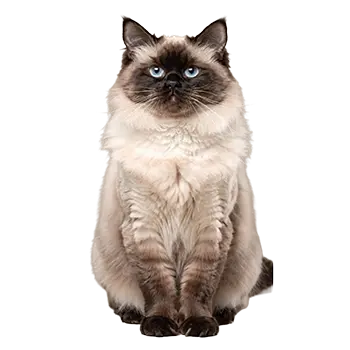
The Himalayan has secured a prominent place in cinema, largely thanks to a handful of memorable roles that have embedded the breed in the collective imagination of moviegoers worldwide. The most iconic appearance came in the 2000 comedy Meet the Parents, where a seal point Himalayan named Mr. Jinx played a central role in the plot. The cat's performance, which included using a toilet and flushing it on cue, became one of the film's most talked-about elements. Mr. Jinx returned for the sequels Meet the Fockers and Little Fockers, solidifying the Himalayan's status as one of the most recognizable cat breeds in American film.

The breed's suitability for film work stems from several of its inherent characteristics. Himalayans are calm, tolerant of handling, and relatively unfazed by the noise and commotion of a film set. Their placid temperament means they can be positioned and repositioned by animal trainers without the stress responses that more active or nervous breeds might exhibit. This cooperative disposition, combined with a face that reads expressively on camera, makes the Himalayan a natural choice for directors and animal coordinators seeking a feline performer.

Beyond major studio productions, Himalayans have appeared in numerous independent films, short features, and direct-to-video releases where a visually striking cat is called for. The breed's distinctive appearance, with its contrasting dark points against a lighter body and vivid blue eyes, photographs and films exceptionally well under studio lighting. Cinematographers have noted that the breed's long coat catches light in ways that add visual richness to a scene, and the flat face provides a focal point that draws the viewer's eye.

The Himalayan also appeared memorably in the James Bond franchise through Blofeld's iconic white Persian-type cat, which in various film iterations has displayed characteristics consistent with Himalayan and Persian lines. While the exact breed identification of the Bond villain's cat has been debated among fanciers, the association between the luxurious longhaired cat and cinematic villainy has become a lasting trope, one that the Himalayan's appearance and bearing fit perfectly.

Television Presence

On television, the Himalayan has maintained a steady presence across multiple decades and genres. The breed has appeared in sitcoms, dramas, reality shows, and documentary programming, typically cast in roles that emphasize its visual appeal and serene temperament. Television producers favor the Himalayan for many of the same reasons film directors do: the breed is easy to work with on set, looks stunning on camera, and projects an air of quiet sophistication that enhances any domestic scene.

Reality television and lifestyle programming have been particularly fertile ground for the Himalayan's television career. Cat-focused shows, veterinary programs, and pet competition series frequently feature the breed, and its dramatic grooming requirements have made it a natural subject for episodes focused on pet care and maintenance. The visual transformation of a matted Himalayan coat into a show-ready cascade of silk is inherently compelling television, and groomers who specialize in the breed have become minor celebrities in their own right through these programs.

The breed has also appeared in television commercials, where its photogenic qualities are deployed to sell everything from luxury goods to household products. Advertisers recognize that the Himalayan communicates a specific set of values, including comfort, indulgence, and domestic tranquility, that resonate with consumers. A Himalayan draped across a sofa or perched on a windowsill instantly establishes a mood of upscale homeliness that copywriters and art directors find difficult to achieve through other visual means.

Animated television has also drawn inspiration from the Himalayan's distinctive appearance. Cartoon cats with flat faces, round bodies, and colorpoint markings appear in children's programming and anime, often serving as pampered pets belonging to wealthy or eccentric characters. These animated depictions, while exaggerated for comedic effect, reinforce the cultural association between the Himalayan and a lifestyle of comfort and privilege.

Literature & Print Media

The Himalayan appears frequently in both fiction and nonfiction literature, occupying a distinctive niche in the broader canon of cat writing. In fiction, Himalayan characters tend to be cast as elegant, slightly aloof companions to protagonists who are themselves sophisticated or unconventional. Mystery novels, cozy mysteries in particular, have embraced the breed as a recurring character type, with several long-running series featuring Himalayan cats as observant household presences who witness crimes and, in the genre's playful convention, sometimes contribute to solving them.

In nonfiction, the Himalayan is a staple of breed guidebooks, veterinary reference texts, and coffee table photography volumes. The breed's visual splendor makes it a natural subject for the large-format photography books that cat publishers produce for the gift market, and its interesting origin story as a deliberate Persian-Siamese cross provides writers with a narrative hook that distinguishes it from breeds with more ambiguous histories. Books on feline genetics frequently use the Himalayan as a case study in the inheritance of the colorpoint pattern, making it one of the most cited breeds in the scientific literature on domestic cat coat genetics.

Cat magazines, both print and digital, have featured the Himalayan extensively. Breed profiles, grooming guides, health articles, and show reports involving Himalayans are perennial content in publications like Cat Fancy, Cat World, and their successors. The breed's grooming demands alone generate a steady stream of how-to articles, product reviews, and expert interviews, ensuring that the Himalayan remains a constant editorial presence regardless of shifting trends in breed popularity.

The breed has also been featured in children's literature, where its distinctive appearance makes it easy for young readers to identify and remember. Picture books and early readers featuring Himalayan characters often emphasize the breed's gentle nature and suitability as a family pet, introducing the concept of specific cat breeds to audiences who may be encountering the idea for the first time. These early literary encounters help shape lifelong breed preferences and contribute to the Himalayan's enduring popularity across generations.

Social Media & Digital Culture

The rise of visual social media platforms has been extraordinarily beneficial for the Himalayan's cultural profile. Instagram, TikTok, YouTube, and similar platforms reward content that is visually arresting and emotionally engaging, and few cat breeds are better equipped to deliver on both counts than the Himalayan. The breed's flat, expressive face, vivid blue eyes, and flowing coat create images and videos that stop scrolling thumbs, and several individual Himalayans have accumulated follower counts in the hundreds of thousands.

The breed's calm temperament contributes to its social media success in ways that are not immediately obvious. Unlike highly active breeds that are difficult to photograph because they rarely hold still, Himalayans tend to settle into photogenic poses naturally and maintain them long enough for owners to capture multiple shots. This cooperative stillness means that Himalayan accounts can maintain a consistently high standard of visual quality, which is essential for building and retaining an audience on image-driven platforms.

Himalayan content on social media tends to cluster around several recurring themes. Grooming videos, which showcase the transformation of a rumpled coat into a gleaming cascade, are reliably popular. So are before-and-after bath videos, sleeping compilations, and clips of Himalayans reacting with exaggerated facial expressions to everyday stimuli. The breed's flat face lends itself to anthropomorphic interpretation, and owners frequently caption their content with humorous first-person narratives attributed to the cat, creating a persona that audiences connect with emotionally.

The digital culture surrounding the Himalayan extends beyond individual cat accounts to encompass breed-specific forums, Facebook groups, and subreddit communities where owners share advice, photographs, and breeding information. These online communities serve as informal support networks for Himalayan owners, providing guidance on grooming, health care, and behavioral questions. They also function as marketplaces where breeders connect with prospective kitten buyers, and as archives of breed knowledge that complement the more formal resources maintained by breed clubs and registries.

Advertising & Brand Associations

The Himalayan's visual identity has made it one of the most commercially deployed cat breeds in advertising history. Its combination of a luxurious coat, striking blue eyes, and an expression that reads as simultaneously regal and endearing gives it exceptional versatility as a brand symbol. Advertisers in the luxury goods, home furnishings, and personal care sectors have used the Himalayan repeatedly to communicate messages of quality, indulgence, and refined taste.

The breed's association with domestic comfort has made it a particularly effective choice for home and lifestyle brands. A Himalayan photographed on a cashmere throw, beside a fireplace, or in a sun-drenched window alcove creates an instant aspirational tableau that communicates warmth, beauty, and the pleasure of a well-appointed home. Pet product companies, unsurprisingly, have used the breed extensively, but the Himalayan's appeal extends well beyond the pet industry into fragrance, fashion, and interior design advertising.

In the pet products market specifically, the Himalayan serves as a powerful visual cue for premium positioning. Brands selling high-end cat food, grooming supplies, and accessories frequently feature Himalayans in their packaging and promotional materials because the breed communicates a level of care and investment that aligns with premium pricing. The implication is clear: if a product is good enough for a Himalayan, it represents the highest standard of quality available to any cat.

The breed's advertising presence has also extended into digital marketing, where Himalayan imagery is used in banner ads, email campaigns, and social media sponsored content. The breed's photogenic qualities translate effectively across digital formats, and its established cultural associations with luxury and comfort give marketers a ready-made visual vocabulary to work with. This commercial ubiquity has a reinforcing effect on the breed's cultural profile: the more frequently people encounter Himalayans in advertising contexts, the more firmly the breed becomes associated with the values those advertisements promote.

Influence on Cat Culture

The Himalayan's influence on broader cat culture extends well beyond its individual media appearances and advertising roles. The breed has shaped public expectations about what a pedigree cat should look like, how it should behave, and what owning one signifies about its human companion. In many respects, the Himalayan has served as a gateway breed, introducing people to the world of pedigree cats and inspiring them to learn about breed standards, genetics, and responsible breeding practices.

The breed's grooming requirements have contributed to the growth of the professional cat grooming industry. Before breeds like the Himalayan and the Persian became widely popular, professional grooming was primarily associated with dogs. The demands of maintaining a Himalayan's long coat in show condition or even basic household condition helped create a market for feline grooming services, specialized tools, and training programs. Today, many professional cat groomers cite their early experiences with Himalayans as the inspiration for their careers.

In the show ring, the Himalayan's popularity has influenced judging standards and competition dynamics. The breed's strong following means that Himalayan and colorpoint Persian entries are consistently among the most competitive categories at major shows, and judges who specialize in these breeds are among the most respected figures in the cat fancy. The breed's competitive success has also encouraged the development of sophisticated breeding strategies aimed at producing cats that excel in specific aspects of the standard, such as coat texture, eye color intensity, or facial symmetry.

The Himalayan has also played a role in public conversations about the ethics of brachycephalic breeding. As awareness of the health challenges associated with extremely flat-faced cats has grown, the Himalayan has become a focal point for discussions about balancing aesthetic ideals with animal welfare. These conversations, while sometimes contentious within the breeding community, have contributed to a broader cultural reckoning with the responsibilities that come with creating and maintaining pedigree animal breeds. The Himalayan's prominent visibility ensures that these discussions reach a wide audience, influencing both public opinion and breeding practices.

Always consult a qualified professional before making any health-related decisions. This content is provided for informational reference only and should not replace professional guidance specific to your animal.