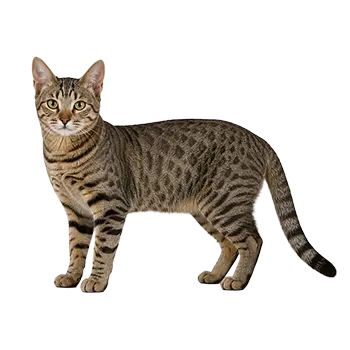

The Dragon Li's independent and observant temperament means that travel preparation should begin well before the departure date. Unlike some breeds that readily accept novel situations, the Dragon Li tends to be cautious in unfamiliar environments and may require a longer acclimation period to become comfortable with carriers, vehicles, and the disruptions that travel inevitably introduces. Starting the desensitization process several weeks in advance can make a significant difference in the cat's comfort level on travel day.
Carrier training is the most important preparatory step. Select a carrier that accommodates the Dragon Li's medium-to-large frame with room for the cat to stand, turn around, and lie down comfortably. Hard-sided carriers with secure latch mechanisms are generally recommended for air travel, while soft-sided carriers may be acceptable for car trips. Place the carrier in a common living area with the door open, line it with a familiar blanket or garment that carries the owner's scent, and allow the cat to explore it voluntarily. Feeding treats and meals inside the carrier over a period of days or weeks builds positive associations that will ease the stress of confinement during actual travel.
A veterinary checkup within ten days of travel is essential, both for the cat's health and to obtain the documentation required by airlines and destination jurisdictions. The veterinarian should verify that all vaccinations are current, perform a general health examination, and issue a health certificate if required. For international travel, additional steps such as rabies titer testing, microchip verification, and completion of destination-specific import forms may be necessary. Discuss the use of anti-anxiety medication or calming supplements with the veterinarian, as some Dragon Li cats may benefit from pharmaceutical support during particularly stressful journeys.
Assemble a travel kit that includes the cat's regular food, portable water and food dishes, a small litter tray with a modest supply of familiar litter, waste bags, grooming supplies, and any medications the cat requires. Carry copies of all veterinary documents, registration papers, and identification information. A recent photograph of the cat stored on a mobile device can be invaluable in the unlikely event that the cat escapes during transit. For the Dragon Li specifically, ensure that the cat's microchip number is recorded in multiple locations, as the breed's resemblance to common stray tabbies means that a lost Dragon Li without identification could easily be mistaken for an unowned cat.