
Literary Appearances

The Cyprus cat's most distinguished literary appearance comes from the pen of Giorgos Seferis, the Greek poet and diplomat who received the Nobel Prize in Literature in 1963. Seferis composed "The Cats of St Nicholas" during his time on the island, drawing upon the legend of the Monastery of Saint Nicholas of the Cats on the Akrotiri Peninsula. The poem interweaves the monastery's history with Seferis's characteristic themes of memory, displacement, and the layered presence of the past in Mediterranean landscapes. By embedding the story of the monastery's feline guardians within a modernist poetic framework, Seferis elevated a piece of Cypriot folklore into a work of international literary stature.

Beyond Seferis, the cats of Cyprus have appeared in a wide range of travel writing and literary nonfiction over the centuries. Venetian monks and European travelers visiting the island during the medieval and early modern periods left written accounts of the monastery cats, often describing the animals in vivid detail. These accounts, preserved in monastery archives and travel journals, provide some of the earliest written descriptions of the cats' physical characteristics and their role as snake hunters. The fourteenth-century account of a Venetian visitor, who described cats returning from hunts bearing grievous wounds, remains one of the most frequently quoted passages in the breed's historical literature.

In contemporary writing, the Cyprus cat appears regularly in books about cat breeds, Mediterranean culture, and the history of animal domestication. The Shillourokambos burial discovery in 2004 generated a wave of popular science writing, with authors drawing on the archaeological evidence to argue that the human-cat relationship is far older and more complex than previously understood. The discovery has been featured in books by science journalists and archaeologists alike, positioning the Cyprus cat as a central figure in the broader narrative of how humans and animals became companions.

Cypriot authors and poets have also drawn on the island's feline population as a literary motif. The omnipresence of cats in Cypriot daily life provides a natural backdrop for writing about community, resilience, and the intersection of the ancient and the modern. Whether appearing as characters in fiction or as symbolic presences in poetry, the cats of Cyprus serve as a literary shorthand for the island's deep history and its distinctive Mediterranean character.

Film & Documentary Coverage

The visual drama of a million cats sharing a small Mediterranean island with a roughly equal number of humans has made Cyprus a natural subject for documentary filmmakers and television producers. Travel and nature documentaries frequently feature segments on the island's cat population, often using the Monastery of Saint Nicholas of the Cats as a central location. The monastery's photogenic setting on the edge of the Akrotiri Salt Lake, combined with the spectacle of dozens of cats lounging among ancient stone archways, provides filmmakers with a ready-made visual narrative about the persistence of tradition.

Television travel programs from networks across Europe and Asia have visited Cyprus specifically to document the island's relationship with its cats. These segments typically combine footage of free-roaming cats in urban and rural settings with interviews of local residents, veterinarians, and animal welfare volunteers, creating portraits of a community whose identity is deeply intertwined with its feline population. The contrast between the cats' ancient heritage and the modern challenges of managing their numbers has proven to be a compelling narrative framework for broadcast journalism.

The 2023 feline infectious peritonitis outbreak brought Cyprus's cats to screens worldwide through a different lens entirely. International news organizations including AFP, France 24, and the BBC covered the crisis extensively, producing video reports from veterinary clinics in Nicosia and shelters across the island. These reports introduced global audiences to the scale of Cyprus's cat population and the public health challenges it faces, generating both sympathy and debate about the responsibilities of a society that has long tolerated or encouraged large numbers of free-roaming animals.

Nature and science documentaries focused on the history of animal domestication have also given the Cyprus cat a prominent role. The Shillourokambos archaeological site and its 9,500-year-old cat burial have been featured in programs exploring the origins of the domestic cat, often juxtaposed with footage of modern Cypriot cats to draw a visual line between past and present. These programs position the Cyprus cat not merely as a regional curiosity but as a key piece of evidence in one of the most significant chapters of human-animal coevolution.

News Media & Journalism

The Cyprus cat has been the subject of sustained journalistic attention, driven by a combination of archaeological breakthroughs, animal welfare controversies, and public health emergencies. The 2004 publication of the Shillourokambos discovery in the journal Science generated front-page coverage in outlets from National Geographic to the BBC, establishing the Cyprus cat as a subject of serious scientific and popular interest. The story resonated widely because it challenged a deeply held assumption about ancient Egypt's primacy in cat domestication, offering a narrative that was both scientifically rigorous and emotionally compelling.

Animal welfare reporting has constituted another major strand of media coverage. Journalists from both local Cypriot outlets and international publications have documented the challenges facing the island's stray cat population, including inadequate government funding for sterilization programs, the difficulties faced by volunteer-run rescue organizations, and the tension between residents who feed stray cats and local authorities who view uncontrolled feeding as a public nuisance. The Cyprus Mail, the island's English-language newspaper, has published extensive reporting on proposed amendments to animal welfare legislation and on the debate over public feeding stations for stray cats.

The 2023 FIP outbreak elevated the Cyprus cat to crisis-level international news coverage. Wire services distributed stories about the novel coronavirus strain decimating the island's cat population, and veterinary journals published urgent warnings about the potential for the disease to spread beyond Cyprus's borders through the movement of infected animals. Some media outlets inaccurately characterized the disease as "cat COVID," a mischaracterization that veterinary researchers were quick to correct. The outbreak prompted a broader public conversation about the intersection of animal welfare, public health, and the responsibilities of governments toward large free-roaming animal populations.

Scientific journalism has continued to follow the Cyprus cat as genetic research refines understanding of its distinctiveness. The confirmation by Leslie Lyons's laboratory that Cyprus cats represent a genetically distinct Mediterranean population was reported in breed publications and veterinary media, lending scientific credibility to the ongoing efforts to establish the Aphrodite as a recognized breed. Each new study or archaeological find related to the cats of Cyprus generates a fresh cycle of media interest, ensuring that the breed maintains a regular presence in both popular and specialist press.

Social Media & Digital Presence

The rise of social media has given the Cyprus cat a global platform that extends far beyond the island's shores. Instagram, TikTok, and YouTube host a large and active community of accounts dedicated to the cats of Cyprus, ranging from individual rescue stories to curated feeds showcasing the photogenic qualities of Cypriot street cats against backdrops of ancient ruins and turquoise Mediterranean waters. The hashtags associated with Cyprus cats collectively accumulate millions of views, drawing attention from cat enthusiasts, travel influencers, and animal welfare advocates worldwide.

Animal rescue organizations operating on Cyprus have been particularly effective in using social media to expand their reach and fundraising capacity. Groups based in Paphos, Limassol, and Nicosia maintain active profiles that document individual rescue cases, promote adoption opportunities for cats being relocated to northern European countries, and solicit donations for veterinary care and sterilization programs. These organizations often share before-and-after stories of cats rescued from difficult circumstances, creating emotional narratives that resonate with audiences and drive engagement.

Travel bloggers and vloggers have also contributed to the Cyprus cat's digital presence. Visitors to the island frequently post photos and videos of their encounters with the local cats, and the Monastery of Saint Nicholas of the Cats has become an established stop on the social media travel circuit. Reviews and posts on platforms like TripAdvisor consistently mention the resident cats as a highlight of the visit, with many travelers advising others to bring food for the animals. This organic, user-generated content has helped reinforce Cyprus's reputation as a destination for cat lovers and has contributed to a niche tourism segment centered on the island's feline population.

The digital landscape has also become a space for advocacy and debate. Online petitions calling for stronger animal welfare protections on Cyprus have gathered tens of thousands of signatures from supporters around the world. Social media campaigns during the 2023 FIP crisis mobilized international donations for veterinary treatment and raised awareness of the challenges facing the island's cat population. The ability of digital platforms to connect Cypriot rescue organizations with potential adopters and donors in distant countries has transformed the practical landscape of animal welfare on the island, creating networks of support that would have been impossible a generation ago.

Tourism & Cultural Identity

The Cyprus cat has become an integral part of the island's identity as a tourist destination, occupying a space somewhere between cultural attraction and informal national mascot. Tourism marketing materials frequently feature images of cats alongside photographs of archaeological sites, beaches, and traditional villages, and the phrase Island of Cats has become a widely recognized unofficial tagline for Cyprus. For many visitors, the experience of encountering free-roaming cats at every turn is as much a part of a trip to Cyprus as visiting ancient Greek temples or sampling local cuisine.

The Monastery of Saint Nicholas of the Cats has evolved into a tourist attraction in its own right, drawing visitors who come specifically to see the cats and to hear the story of Saint Helen's legendary shipment. The nuns who maintain the monastery care for dozens of resident cats and sell handmade products to visitors, creating a small but self-sustaining economy around the site. Travel guides from Lonely Planet, Rough Guides, and regional publications consistently list the monastery among the recommended excursions in the Limassol area, and visitor reviews consistently praise the combination of historical atmosphere and feline company.

Beyond the monastery, cat-themed businesses and experiences have emerged across the island. Cat cafes, cat-themed souvenir shops, and organized cat colony tours cater to the growing number of travelers who choose Cyprus at least partly because of its feline reputation. Some tour operators have begun offering dedicated cat heritage tours that combine visits to archaeological sites related to cat history with stops at rescue shelters and feeding stations, creating itineraries that blend cultural tourism with animal welfare awareness.

The relationship between the cats and the tourism industry is not without tension. Local authorities in some municipalities have expressed concern that large visible cat populations may deter tourists who find the animals unsanitary or intrusive, particularly in restaurant districts and hotel zones. Animal welfare advocates counter that the cats are a net positive for tourism and that the solution lies in better population management rather than in removing the animals from public spaces. This ongoing negotiation between cultural identity, economic interest, and animal welfare reflects the complexity of living alongside a large population of free-roaming domestic animals in a modern society that depends heavily on its international image.

Artistic & Visual Representations

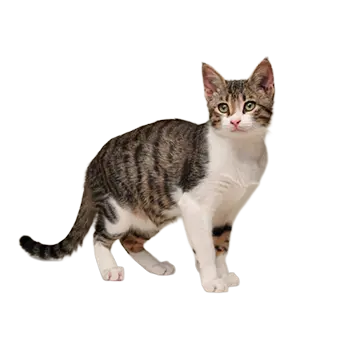
The visual arts have long drawn inspiration from the cats of Cyprus, though the tradition takes a very different form from the portraiture and pedigree illustration common to established show breeds. Because the Cyprus cat is a landrace rather than a standardized breed, artistic representations tend to emphasize the animal in its environment rather than as an isolated specimen. Painters and photographers working on the island frequently depict cats integrated into scenes of daily life, perched on weathered stone walls, threading through market stalls, or sleeping in the dappled shade of courtyard trees.

The medieval and Byzantine artistic traditions of Cyprus include depictions of cats in religious manuscripts and architectural decoration, though these tend to be generalized representations of felines rather than breed-specific portraits. The association between cats and the Monastery of Saint Nicholas has inspired more specific artistic treatments over the centuries, including illustrated manuscript pages and painted icons that incorporate feline figures into religious narratives. The nuns who currently maintain the monastery are themselves accomplished icon painters, and their work draws on a tradition that stretches back to the earliest years of the Cypriot church.

Contemporary Cypriot artists have engaged with the island's cat population as both subject and symbol. Photographers have produced major exhibition works documenting the lives of street cats in Cypriot cities, using the animals as a lens through which to explore themes of urban life, coexistence, and the blurred boundary between the domestic and the wild. Sculptors and mixed-media artists have created installations inspired by the monastery legend and by the archaeological discoveries at Shillourokambos, drawing connections between the ancient and modern feline presence on the island.

In the commercial sphere, the image of the Cyprus cat has been adopted by local businesses, tourism boards, and cultural organizations as a branding element. Cat imagery appears on everything from restaurant signage to municipal logos in areas where the feline population is particularly dense. This commercialization of the cat's image reflects the degree to which the animals have become woven into the visual identity of the island, serving as a shorthand for the warmth, informality, and deep historical layering that characterize Cypriot culture. Whether rendered in oil paint, captured in a documentary photograph, or reproduced on a souvenir keychain, the Cyprus cat remains one of the island's most recognizable and emotionally resonant visual symbols.

Always consult a qualified professional before making any health-related decisions. This content is provided for informational reference only and should not replace professional guidance specific to your animal.