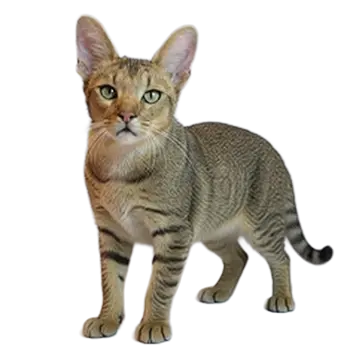

The Chausie's status as a hybrid between a wild species (Felis chaus) and a domestic cat places it in a complex legal category that varies significantly by jurisdiction. Many states, provinces, and countries regulate the ownership of hybrid cats based on their filial generation—the number of generations removed from the wild ancestor. Early-generation Chausies (F1 through F3) are more likely to face restrictions than later-generation cats (F4 and beyond), which are generally considered fully domestic for regulatory purposes.
In the United States, hybrid cat regulations are set at the state and often the local level, creating a patchwork of rules that prospective owners must navigate carefully. Some states, such as Georgia and Hawaii, prohibit or heavily restrict ownership of all hybrid cats regardless of generation. Others, such as Texas and Arizona, impose few or no restrictions on later-generation hybrids. A number of states fall somewhere in between, requiring permits for early-generation animals while treating F4 and later cats as ordinary domestic pets.
Federal law in the United States does not specifically address domestic hybrid cat ownership, but the Lacey Act and the Endangered Species Act may apply in cases involving the import or sale of wild-caught jungle cats or their immediate offspring. The United States Department of Agriculture (USDA) may also have jurisdiction over breeders who maintain wild or early-generation animals, depending on the scale and nature of their operations.
Prospective Chausie owners should research their specific state, county, and municipal regulations before acquiring a cat. Laws can change, and local ordinances may impose restrictions beyond those found at the state level. Consulting with a local attorney or contacting the relevant wildlife agency is advisable for anyone uncertain about the legality of hybrid cat ownership in their area.