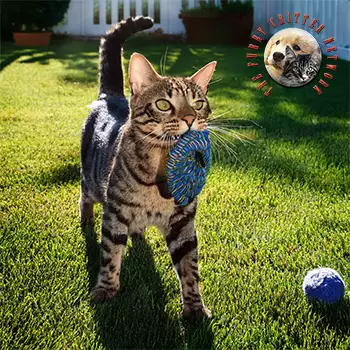

The California Spangled is classified as a fully domestic cat breed, which means it does not fall under the exotic or wild animal ownership restrictions that apply to hybrid breeds with recent wild cat ancestry. Unlike first-generation Bengals or Savannah cats, which may be regulated or outright banned in certain jurisdictions due to their proximity to wild species, the California Spangled was developed entirely from domestic bloodlines. This distinction is important for prospective owners, as it means that no special permits, enclosures, or handling qualifications are typically required to keep a California Spangled in any state or municipality that allows domestic cat ownership.
However, the breed's wild appearance can occasionally create confusion with enforcement officials who are unfamiliar with the distinction between a domestic spotted cat and an actual wild or hybrid feline. In jurisdictions with strict exotic animal ordinances, owners may find it prudent to carry documentation establishing the breed's domestic pedigree when transporting their cats or when dealing with animal control officers. A registration certificate from a recognized cat registry, along with the breeder's records and any available pedigree documentation, can help resolve such misunderstandings quickly.
The general legal framework governing domestic cat ownership applies fully to the California Spangled. This includes local licensing requirements, mandatory vaccination laws, leash and containment ordinances, and nuisance animal statutes. Owners should familiarize themselves with the specific regulations in their jurisdiction, as these vary considerably between states, counties, and municipalities. Some areas have adopted mandatory microchipping requirements for all domestic cats, while others impose limits on the number of cats that may be kept in a single household.
Tenant and homeowner association restrictions represent another layer of legal consideration. Many rental agreements and community covenants include pet policies that may limit the size, number, or breed of cats permitted. While the California Spangled is rarely singled out by name in such policies, its unusual appearance may prompt questions from landlords or association boards. Having breed documentation readily available can facilitate smooth compliance with these requirements.