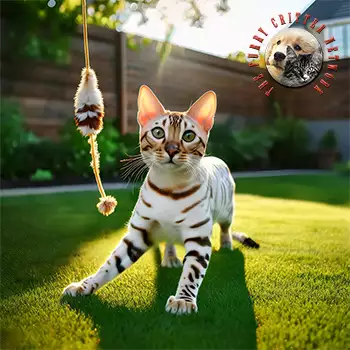

The Bengal's origins as a cross between the domestic cat and the Asian leopard cat place it in a unique legal category. Many jurisdictions classify animals based on their generational distance from a wild ancestor, using designations such as F1 (first generation, one wild parent), F2 (second generation), and so on. Early-generation Bengals — typically F1 through F3 — are frequently regulated as exotic or wild animals, while later generations (F4 and beyond) are generally treated as fully domestic cats.
This generational distinction is critical for Bengal owners and breeders to understand. An F4 Bengal purchased from a reputable breeder is, in most places, legally no different from any other domestic cat. However, an F1 or F2 Bengal may require exotic animal permits, specialized enclosures, or may be banned outright. The legal line between wild and domestic is drawn differently depending on the state, province, or country in question.
In the United States, there is no single federal law governing Bengal ownership. Instead, regulation falls to individual states and, in many cases, to counties and municipalities within those states. This patchwork of laws means that a Bengal perfectly legal to own in one city may be prohibited just across a county line. Owners who relocate or travel with their Bengals must research the specific regulations of their destination.
The confusion surrounding hybrid classification has led to situations where Bengals have been confiscated by animal control officers unfamiliar with generational distinctions. Breed advocacy groups have worked to educate law enforcement and municipal officials about the difference between early-generation hybrids and the fully domestic Bengals that make up the vast majority of pet Bengals today.