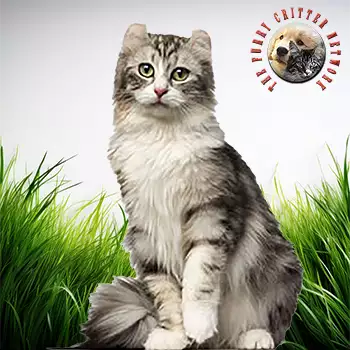

Car Travel

The American Curl's adaptable and easygoing temperament often makes it a better car travel companion than many cat breeds, but preparation is still essential for a safe and stress-free trip. A sturdy, well-ventilated carrier is the single most important piece of equipment for car travel with any cat. The carrier should be large enough for the cat to stand, turn around, and lie down comfortably, but snug enough to prevent excessive sliding during turns and stops. Securing the carrier with a seatbelt or placing it on the floor behind the front seat provides the best protection in case of sudden braking.

Acclimating your American Curl to the carrier and the car well before any trip is highly recommended. Start by leaving the carrier open in your home with a familiar blanket inside, allowing the cat to explore it voluntarily. Once your Curl is comfortable resting in the carrier, take a few short drives around the neighborhood to build positive associations with car travel. The breed's naturally curious and people-oriented personality often works in the owner's favor during this acclimation process, as many Curls adapt to car travel more readily than more anxious breeds.

During longer car trips, plan for regular rest stops where you can offer your cat water and check on its comfort. Never leave your American Curl unattended in a parked car, as temperatures inside a vehicle can reach dangerous levels within minutes, even on mild days. Bring a small portable litter pan for extended journeys, and keep a supply of your cat's regular food to avoid digestive upset from sudden dietary changes on the road.

Motion sickness can affect some cats, including American Curls, particularly on their first few car rides. Signs include excessive drooling, vocalizing, and vomiting. If your cat is prone to motion sickness, consult your veterinarian about safe anti-nausea options before traveling. Withholding food for a few hours before the trip can also help reduce the likelihood of stomach upset, though water should always remain available.

Air Travel

Air travel with an American Curl requires careful planning and familiarity with airline-specific pet policies. Most major airlines allow small cats to travel in the cabin in an approved soft-sided carrier that fits beneath the seat in front of you. Given the American Curl's medium size, most adults will fit comfortably in standard cabin-approved carriers. Booking early is important, as airlines typically limit the number of in-cabin pets per flight, and spots fill quickly during peak travel seasons.

Each airline has its own set of requirements regarding carrier dimensions, health documentation, and booking procedures for traveling with a pet. Most require a health certificate issued by a veterinarian within ten days of travel, proof of rabies vaccination, and advance notice that you will be bringing a pet on board. International flights carry additional requirements, including compliance with the destination country's import regulations, which may involve microchip verification, blood titer tests, or specific vaccination timelines.

Cargo travel is generally discouraged for cats unless absolutely necessary, as the cargo hold environment involves temperature fluctuations, noise, and extended periods of isolation that can be extremely stressful. If cargo transport is unavoidable, choose a direct flight to minimize transit time, use an airline with a strong live-animal transport record, and invest in an IATA-compliant hard-sided carrier with secure ventilation, absorbent bedding, and attached food and water dishes. Clearly label the carrier with your contact information and flight details.

The American Curl's sociable nature can be an advantage during air travel, as these cats tend to be less reactive to new environments and unfamiliar sounds compared to more high-strung breeds. However, the stress of air travel should not be underestimated for any cat. Familiar items such as a worn shirt or a favorite small blanket placed inside the carrier can provide comforting scent cues. Avoid sedating your cat for air travel unless specifically instructed by your veterinarian, as sedation can impair a cat's ability to regulate body temperature and balance at altitude.

Pet-Friendly Accommodations

Finding pet-friendly accommodations has become significantly easier in recent years, with many hotel chains, vacation rentals, and bed-and-breakfasts welcoming cats. Major hotel brands increasingly offer pet-friendly room options, though policies vary by individual property within a chain. When booking, confirm the specific pet policy of the property you plan to visit, including any weight limits, breed restrictions, additional fees, and rules about leaving pets unattended in the room.

Vacation rental platforms have expanded the options available to cat owners traveling with their American Curls. Many private rental hosts welcome cats, particularly since cats tend to be quieter and less disruptive than dogs. When staying in a rental property, bring your own litter box, food dishes, and a portable scratching post to minimize any impact on the host's furnishings. Keeping your Curl confined to a single room when you first arrive gives the cat time to adjust to the new environment before exploring the full space.

Preparing your American Curl for a stay in unfamiliar accommodations involves bringing as many familiar items as possible. Your cat's regular food, a favorite toy, and bedding that carries the scent of home can all help ease the transition. The breed's adaptable personality often means that American Curls settle into new environments more quickly than breeds that are particularly territorial or routine-dependent, but every individual cat is different.

Safety-proofing the accommodation upon arrival is an important step that many traveling cat owners overlook. Check for open windows without screens, gaps behind appliances or furniture where a cat could become trapped, toxic plants, and accessible cleaning supplies. The American Curl's curious nature means it will thoroughly explore any new space, so spending a few minutes identifying and addressing potential hazards can prevent accidents during your stay.

Boarding & Pet Sitting

When travel plans do not allow for bringing your American Curl along, boarding facilities and pet sitting services provide reliable alternatives. Cat-specific or cat-only boarding facilities are often the best choice, as they eliminate the stress of being housed near barking dogs and are designed with feline needs in mind. Look for facilities that offer individual enclosures with vertical climbing space, regular interaction with staff, and webcam access so you can check on your cat remotely.

In-home pet sitting is frequently the preferred option for American Curl owners, as it allows the cat to remain in its familiar environment while receiving personalized care. Professional pet sitters can visit once or twice daily to feed, clean the litter box, administer any medications, and spend time socializing with your cat. The American Curl's affectionate and people-friendly nature means most individuals respond well to a familiar sitter, though an introductory visit before your trip helps ensure compatibility.

When selecting a boarding facility or pet sitter, ask about their experience with cats, their protocols for medical emergencies, and their requirements for vaccination records. Most reputable facilities require proof of current vaccinations, including rabies and feline distemper, and may also require a negative test for feline leukemia virus. Providing your boarding facility or sitter with detailed written instructions about your cat's diet, medication schedule, behavioral quirks, and your veterinarian's contact information ensures consistent care in your absence.

For American Curl owners who travel frequently, establishing a long-term relationship with a trusted sitter or facility provides peace of mind and consistency for the cat. Many Curls bond readily with regular caregivers, and the familiarity reduces stress for both the cat and the owner. Some sitters offer house-sitting services, combining pet care with home security, which can be an appealing option for extended trips.

Emergency Preparedness

Emergency preparedness is a critical aspect of responsible American Curl ownership that extends to travel scenarios and everyday life at home. Every cat owner should maintain a portable emergency kit containing essential supplies that can be grabbed quickly in case of evacuation. This kit should include a secure carrier, a three-to-five-day supply of food and water, any necessary medications, copies of vaccination records and registration documents, a recent photo of your cat for identification purposes, and basic first-aid supplies.

Natural disasters, severe weather events, and other emergencies can strike without warning, and having a plan for your American Curl is just as important as having one for human family members. Identify pet-friendly emergency shelters and hotels along your planned evacuation routes, as not all emergency shelters accept animals. Keep your cat's microchip registration current with accurate contact information, and ensure your Curl wears a collar with an ID tag whenever possible, even if it is primarily an indoor cat.

During an emergency evacuation, never leave your American Curl behind with the expectation of returning quickly. Conditions can change rapidly, and access to evacuated areas may be restricted for extended periods. The breed's adaptable temperament can be an asset in emergency situations, as many Curls handle disruption and temporary housing better than more anxious breeds, but the stress of an emergency situation is significant for any animal and should be minimized through advance preparation.

Travel-specific emergencies require their own preparations. Before any trip with your American Curl, research veterinary clinics and emergency animal hospitals near your destination. Save their contact information and addresses in your phone so you can act quickly if your cat becomes ill or injured while away from home. Carrying a copy of your cat's medical records, including any known allergies or chronic conditions, ensures that an unfamiliar veterinarian can provide informed treatment in an urgent situation.

Always consult a qualified professional before making any health-related decisions. This content is provided for informational reference only and should not replace professional guidance specific to your animal.