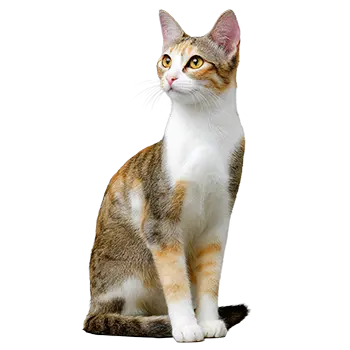

Breed Temperament & Travel Readiness

The Aegean cat's temperament offers several advantages for travel that many other breeds do not share. Having evolved in the bustling environments of Greek island harbors and villages, the breed possesses a natural tolerance for noise, movement, and unfamiliar surroundings that makes it more adaptable to the stresses of transport than many purebred cats. Aegean cats that have spent their early weeks in active social environments tend to handle novel situations with curiosity rather than panic, a trait that translates well to the sensory challenges of vehicle, ferry, and air travel.

Despite these favorable predispositions, individual variation within the breed is significant. A cat adopted from a quiet rural colony on a small island may be far more easily stressed by travel than one raised in a busy port town. Owners should assess their individual cat's comfort with handling, confinement, and environmental change well before any planned journey. Gradual exposure to the carrier, short car rides, and controlled introductions to novel sounds can help acclimate even a nervous Aegean to the travel experience.

The breed's sociable nature means that Aegean cats often derive comfort from proximity to their human companions during travel. Unlike more independent breeds that may prefer to be left alone in their carrier, many Aegeans respond positively to verbal reassurance and the physical nearness of a familiar person. This social orientation can be leveraged during travel by positioning the carrier where the cat can see and hear its owner, which may reduce anxiety-related behaviors such as vocalization, excessive grooming, or refusal to eat.

Owners should also consider the Aegean's moderate size when planning travel logistics. The breed's medium build, typically ranging from three to five kilograms, fits comfortably within most airline-approved cabin carriers, avoiding the need for cargo hold transport in many cases. This size advantage is particularly relevant for air travel, where cabin transport is generally less stressful and safer for the animal than checked baggage or cargo hold placement.

Air Travel

Flying with an Aegean cat requires advance planning and familiarity with the policies of the specific airline being used. Most major airlines that serve Greek airports allow cats to travel in the passenger cabin provided the animal is contained in an approved soft-sided or hard-sided carrier that fits beneath the seat in front of the passenger. Cabin pet policies vary by carrier, and some airlines limit the number of animals per flight or per cabin section, so early booking is essential.

The carrier itself should meet the airline's dimensional requirements, which typically specify a maximum length, width, and height that corresponds to the under-seat space of the aircraft type being flown. The carrier must be well-ventilated, secure enough to prevent escape, and lined with an absorbent pad in case of accidents. Acclimating the Aegean to the carrier weeks before travel is strongly recommended, as a cat that views the carrier as a familiar resting space will experience far less stress during the flight than one encountering it for the first time at the airport.

For international flights, the documentation requirements discussed in the legal considerations for this breed apply in full. At minimum, the cat must be microchipped, vaccinated against rabies with proof of a valid vaccination at least twenty-one days old, and accompanied by the appropriate health certificate or EU Pet Passport. Some destinations require additional tests or treatments, and the issuing veterinarian must verify that all requirements are met before endorsing the travel documents. Arriving at the airport without complete documentation can result in the animal being denied boarding or quarantined upon arrival.

During the flight, the cat should remain in its carrier at all times. Owners can offer water through the carrier's mesh or door during long flights, but feeding is generally inadvisable in the hours immediately before and during air travel, as motion and altitude changes can cause nausea. Sedation is discouraged by most veterinary authorities because sedated animals cannot adjust their posture in response to pressure changes and are at increased risk of respiratory and cardiovascular complications at altitude. A calm, familiar-smelling blanket or item of the owner's clothing placed inside the carrier is a safer and more effective anxiety-reduction strategy.

Ferry & Sea Travel

Ferry travel is a routine part of life in the Greek islands, and the Aegean cat's maritime heritage makes sea transport a particularly fitting mode of travel for the breed. Greek ferry companies generally permit cats on board, though policies vary between operators and vessel types. Some ferries allow pets in designated pet-friendly areas or on outdoor decks, while others require that animals remain in their carriers for the duration of the voyage. Checking the specific ferry line's pet policy before booking is an essential first step.

The typical inter-island ferry journey in the Aegean ranges from one to eight hours depending on the route and vessel speed. For shorter crossings, most Aegean cats tolerate the experience well when confined in a secure carrier placed in a sheltered spot away from heavy foot traffic and engine noise. Longer voyages, particularly overnight sailings on larger vessels, may warrant booking a pet-friendly cabin where the cat can be released from its carrier in a controlled enclosed space, reducing the stress of extended confinement.

Seasickness is uncommon in cats but not impossible, particularly on rough crossings during the winter months when the Aegean Sea can be considerably choppy. Withholding food for several hours before boarding reduces the likelihood of nausea, while maintaining access to small amounts of water prevents dehydration. Owners should watch for signs of motion distress, which in cats may present as excessive drooling, lethargy, or repeated swallowing, and consult a veterinarian in advance about anti-nausea medication if the cat has shown sensitivity to motion on previous trips.

For cats being transported from the islands to the Greek mainland as part of an adoption or relocation, ferry travel is often the first step in a longer journey. Welfare organizations experienced in placing island cats with domestic or international adopters have developed efficient protocols for ferry transport that minimize the animal's time in transit and ensure compliance with all documentation requirements. These organizations can be invaluable resources for first-time adopters navigating the logistics of transporting an Aegean cat off its home island.

Road Travel & Ground Transport

Transporting an Aegean cat by car is the most controllable form of travel and often the easiest to manage, particularly for veterinary visits, short relocations, or the overland segments of a longer international journey. The cat should always be secured in a carrier during car travel, both for the animal's safety in the event of sudden braking or collision and to prevent the dangerous distraction of a loose cat moving around the vehicle interior. The carrier should be placed on a flat surface, ideally the rear seat or floor, and secured with a seatbelt or strap to prevent sliding.

Temperature management inside the vehicle is critical, especially during Greek summers when interior car temperatures can rise rapidly to dangerous levels. The vehicle's climate control should maintain a comfortable temperature throughout the journey, and the cat should never be left unattended in a parked car, even briefly, during warm weather. The Aegean cat's semi-long coat provides some insulation but does not protect against the extreme heat that can build inside a closed vehicle within minutes.

For longer road journeys, scheduled stops every two to three hours allow the owner to check on the cat, offer water, and assess the animal's condition. Allowing the cat out of the carrier during stops is risky unless the vehicle is fully sealed and the cat is comfortable being handled, as a frightened cat that escapes in an unfamiliar location is extremely difficult to recover. A harness and leash can provide an additional layer of security for cats that tolerate wearing them, but most cats are best served by remaining in their carrier with the door briefly opened for interaction.

Professional pet transport services operate throughout Greece and across Europe, offering door-to-door ground transport for cats and other companion animals. These services use climate-controlled vehicles equipped for animal transport and employ trained handlers who monitor the animals throughout the journey. For Aegean cat owners who are uncomfortable managing a long road journey independently, or for international relocations that involve multiple transport modes, professional pet transport can provide peace of mind and logistical expertise that justifies the additional cost.

International Relocation

Relocating an Aegean cat from Greece to another country is a multi-step process that requires careful coordination of veterinary preparation, documentation, transport logistics, and compliance with the destination country's import requirements. The process typically begins several months before the planned move, as many countries require a sequence of vaccinations, tests, and waiting periods that cannot be compressed. Starting the process with a visit to a veterinarian experienced in international pet travel is essential.

The veterinary preparation timeline varies by destination. For travel within the European Union, the minimum lead time is twenty-one days to allow for the rabies vaccination waiting period, assuming the cat is already microchipped. For destinations that require rabies antibody titer testing, such as Japan and several other countries, the timeline extends significantly because the blood sample must be sent to an approved laboratory, the results must meet specified thresholds, and a waiting period of up to six months may follow a satisfactory test. Planning around these timelines is non-negotiable, as no amount of urgency will shorten a biologically determined waiting period.

The choice between air transport and a combination of ground and sea transport depends on the destination, cost considerations, and the individual cat's tolerance for travel. Air transport is generally the fastest option for intercontinental moves and is the only practical choice for destinations outside Europe. Ground transport through the European continent, potentially combined with channel crossings by ferry or train, offers an alternative for relocations within Europe that avoids the altitude and pressure changes of flight but extends the total journey time.

Many Aegean cat owners who relocate internationally engage the services of a professional pet relocation company. These companies specialize in managing the documentation, veterinary coordination, transport booking, and customs clearance required for international animal transport. Their expertise is particularly valuable for first-time international relocators and for destinations with complex import protocols. The cost of professional relocation services varies widely depending on the destination and the level of service selected, but the investment often pays for itself in avoided delays, documentation errors, and the peace of mind that comes from knowing the process is being handled by experienced professionals.

Destination Preparation & Settling In

Preparing the destination environment before the Aegean cat's arrival is as important as managing the transport itself. The cat should have a designated quiet room or area equipped with food and water bowls, a litter box, bedding, and a few familiar-smelling items from its previous home. This safe space gives the cat a controlled environment in which to decompress after the stress of travel before being introduced to the full living space. Aegean cats typically adjust to new surroundings relatively quickly given their adaptable temperament, but the initial decompression period should not be rushed.

The transition from a free-roaming island lifestyle to indoor living, which is common when Aegean cats are adopted internationally, requires particular sensitivity. Cats accustomed to roaming outdoors across an entire village may find the confinement of an apartment or house initially frustrating. Providing vertical space through cat trees and shelving, environmental enrichment through puzzle feeders and interactive toys, and regular play sessions helps channel the breed's active energy and reduces the behavioral issues that can arise from under-stimulation.

If the destination home includes other pets, introductions should follow a gradual, structured protocol regardless of the Aegean's reputation for sociability. The new cat should be kept in its safe room for several days while the resident animals become accustomed to its scent. Brief, supervised visual introductions through a cracked door or baby gate can follow, with the pace of integration determined by the comfort level of all animals involved. The Aegean's generally tolerant disposition is an asset during this process, but individual personality and the temperament of existing pets remain the primary determinants of how smoothly introductions proceed.

Post-travel veterinary care should be scheduled within the first week of arrival at the destination. This visit allows the veterinarian to confirm the cat's health after transport, update the animal's medical records in the new jurisdiction, and address any travel-related issues such as dehydration, stress-induced gastrointestinal upset, or upper respiratory symptoms. Establishing a relationship with a local veterinarian promptly also ensures that the cat has access to ongoing preventive care and that the owner has a professional resource for any health concerns that arise during the settling-in period.

Always consult a qualified professional before making any health-related decisions. This content is provided for informational reference only and should not replace professional guidance specific to your animal.