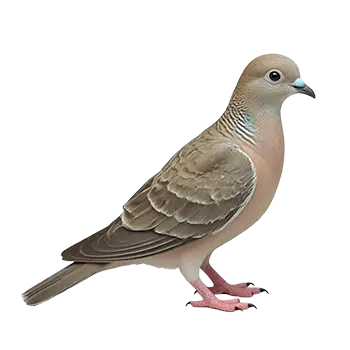

The Zebra Dove (Geopelia striata) is not currently listed on any of the appendices of the Convention on International Trade in Endangered Species of Wild Fauna and Flora (CITES), which means that international trade in the species is not subject to the permit and monitoring requirements that govern commerce in CITES-listed birds. This absence from CITES reflects the species' broad geographic range, its large and stable global population, and its classification as Least Concern by the International Union for Conservation of Nature. However, the lack of CITES listing does not mean that international trade in Zebra Doves is unregulated; it simply means that the regulatory framework is determined by national and regional authorities rather than by an overarching international treaty.
The absence of CITES restrictions has facilitated the relatively free movement of Zebra Doves across international borders within the songbird trade network of Southeast Asia. Birds bred in Thailand, Malaysia, and Indonesia are traded across national boundaries with regularity, particularly within the competitive singing circuit, where breeders and enthusiasts seek out champion bloodlines regardless of the country of origin. This cross-border commerce, while culturally significant and economically important, operates within a patchwork of national regulations that vary considerably in their scope and enforcement.
It is important to note that the broader songbird trade in Southeast Asia has come under increasing international scrutiny from conservation organizations and intergovernmental bodies. While the Zebra Dove itself is not considered threatened, the infrastructure of the songbird trade supports commerce in numerous other species that are of conservation concern. Regulatory proposals aimed at the songbird trade as a whole may therefore affect the Zebra Dove indirectly, even if the species is not a primary target of conservation intervention.
Prospective owners and traders should be aware that the regulatory landscape surrounding avian trade is subject to change. Periodic reviews of CITES appendices, evolving national wildlife policies, and shifts in enforcement priorities can alter the legal status of a species with relatively little advance notice. Staying informed about current regulations through official government wildlife agencies and reputable avicultural organizations is essential for anyone involved in the cross-border movement of Zebra Doves.