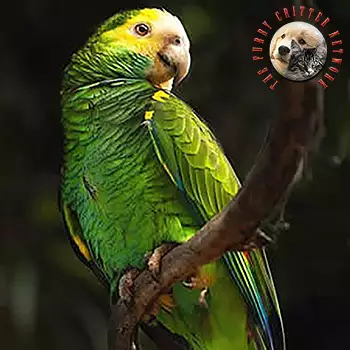

Preparing Your White-Fronted Amazon for Travel

Successful travel with a White-Fronted Amazon begins well before the day of departure. These compact parrots are generally more adaptable to travel than their larger Amazon relatives, owing in part to their smaller size and somewhat less reactive temperament, but any parrot requires careful preparation to minimize stress and ensure safety during transport. The first step is to acclimate the bird to its travel carrier weeks or even months in advance. Introducing the carrier as a familiar, non-threatening environment through gradual exposure, placing favorite treats and toys inside, and allowing the bird to enter and exit voluntarily during daily routines will significantly reduce the anxiety associated with confinement on travel day.

Selecting the right carrier is essential. For a White-Fronted Amazon, an airline-approved hard-sided pet carrier or a purpose-built bird travel cage with secure latches, adequate ventilation on multiple sides, and a solid, easy-to-clean bottom tray is the standard recommendation. The carrier should be large enough for the bird to turn around and stretch its wings partially, but not so large that the bird is thrown about during vehicle movement or turbulence. A perch mounted at an appropriate height inside the carrier gives the bird a stable resting position and reduces the risk of injury from sliding on the floor during sudden stops or changes in altitude.

A pre-travel veterinary examination is strongly advisable and, in many jurisdictions, legally required. The veterinarian should assess the bird's overall health, check for signs of respiratory illness or other conditions that could be exacerbated by travel stress, and issue any health certificates or documentation required by the destination state or country. For international travel, the health certificate must typically be issued within a narrow time window before departure, often 10 to 30 days depending on the destination's import requirements. Owners should confirm the specific documentation timeline well in advance to avoid last-minute complications.

Packing a travel kit tailored to the White-Fronted Amazon's needs is the final preparatory step. This kit should include a sufficient supply of the bird's regular pellet diet, familiar treats, a portable water dispenser or small dish, any prescribed medications, a lightweight cover for the carrier to reduce visual stimulation during stressful moments, and a basic first-aid kit appropriate for avian patients. Having these supplies organized and easily accessible ensures that the bird's needs can be met promptly throughout the journey, reducing stress for both the parrot and the owner.

Air Travel Regulations & Logistics

Air travel with a White-Fronted Amazon is subject to a complex web of airline policies, federal regulations, and international agreements that owners must navigate carefully. In the United States, most major airlines permit birds to travel in the cabin as carry-on pets, provided the carrier meets the airline's size and construction requirements and the owner pays the applicable pet fee. The White-Fronted Amazon's compact size is an advantage in this context, as the bird and its carrier can usually fit comfortably under the seat in front of the passenger, meeting the dimensional limits imposed by most carriers. However, airline policies on avian passengers vary significantly and can change without notice, so owners should confirm the current rules directly with the airline well in advance of booking.

Some airlines restrict the species or types of birds permitted in the cabin, and a small number prohibit birds altogether. Airlines that do allow avian passengers typically require advance reservation of a pet slot, as the number of animals permitted in the cabin on any given flight is limited. Booking early is essential, particularly during peak travel periods. Owners should also be prepared for the possibility that connecting flights may involve different aircraft types with different pet policies, and that codeshare or partner-operated flights may apply a different carrier's rules than those under which the ticket was purchased.

Cargo transport is an alternative for situations where cabin travel is not permitted or practical, but it introduces additional risks and complexities. Birds shipped as cargo are placed in pressurized, temperature-controlled holds, but they are exposed to noise, vibration, and handling by ground crew who may not be experienced with avian passengers. Temperature extremes are a particular concern, as many airlines impose embargoes on live animal cargo when ground temperatures at the origin, destination, or any intermediate stop exceed or fall below specified thresholds. The White-Fronted Amazon's tropical origins make it especially vulnerable to cold stress, and owners should avoid cargo transport during winter months in temperate climates whenever possible.

Regardless of whether the bird travels in the cabin or as cargo, owners must comply with all applicable documentation requirements. Within the United States, a health certificate issued by a USDA-accredited veterinarian is generally required for air transport of birds. For flights between states, the certificate must confirm that the bird is free of clinical signs of communicable disease and may need to address specific state import requirements at the destination. Owners should contact both the airline and the destination state's veterinary or agricultural authority to confirm the exact documents needed, as requirements can differ and enforcement at arrival can be strict.

Ground Transportation Considerations

Ground transportation, whether by personal vehicle or commercial carrier, is often the most practical and least stressful mode of travel for a White-Fronted Amazon. Road trips allow the owner to maintain direct control over the bird's environment, including temperature, noise levels, and schedule, advantages that are not available during air travel. For car journeys, the travel carrier should be secured in the back seat using a seat belt threaded through the carrier handle or a dedicated cargo strap system. Placing the carrier in the front seat is generally discouraged due to airbag risks, and the cargo area of SUVs and hatchbacks may expose the bird to temperature fluctuations and exhaust fumes that are more pronounced at the rear of the vehicle.

Temperature management is critical during road travel with a White-Fronted Amazon. As a species adapted to warm, semi-arid environments, the bird is sensitive to drafts, air conditioning directed at the carrier, and exposure to cold conditions during winter travel. Conversely, a parked car can reach lethal temperatures within minutes on a warm day, and a White-Fronted Amazon should never be left unattended in a vehicle, even briefly. During rest stops, the bird should remain in the climate-controlled vehicle with the engine running or be brought inside with the owner. Planning routes with minimal stops and timing departures to avoid extreme heat or cold will further reduce environmental risk.

For longer road trips, maintaining the bird's hydration and feeding schedule is important. White-Fronted Amazons should have access to fresh water at regular intervals, offered in a spill-resistant dish or bottle mounted inside the carrier. Small amounts of familiar food can be provided during stops, though many birds will eat sparingly while traveling due to mild stress. Owners should avoid introducing new foods during travel, as digestive upset compounds the stress of an already unfamiliar situation. A light cover draped over part of the carrier can help the bird rest during long stretches of highway driving, simulating the reduced light conditions that encourage sleep.

Interstate ground travel with a White-Fronted Amazon may require health certificates and compliance with the destination state's import regulations, just as air travel does. While enforcement at state borders during private vehicle travel is less systematic than at airports, the legal requirements are the same, and owners who plan to cross state lines should carry appropriate documentation. Commercial animal transport services, which may be used for long-distance relocations, are subject to additional USDA regulations governing vehicle specifications, driver qualifications, and animal care protocols during transit.

Crossing International Borders

International travel with a White-Fronted Amazon introduces a layer of regulatory complexity that demands thorough advance planning. Because the species is listed under CITES Appendix II, any cross-border movement of the bird requires CITES documentation issued by the relevant national authority. In the United States, the CITES Management Authority is the U.S. Fish and Wildlife Service, and owners must apply for a CITES export permit before departing the country with their bird. The application process can take several weeks, and permits are typically valid for a limited period, so owners should initiate the process well ahead of their planned travel dates.

The destination country will have its own import requirements, which may include a CITES import permit, veterinary health certificates meeting specific format and content standards, and, in some cases, quarantine upon arrival. The European Union, for example, imposes detailed import conditions for CITES-listed birds, including requirements for health testing, veterinary endorsement by the official veterinary authority of the exporting country, and entry through designated border inspection posts. Australia, New Zealand, and several other countries maintain particularly strict biosecurity regimes that may effectively prohibit or severely restrict the importation of companion parrots.

Owners traveling to or from Mexico with a White-Fronted Amazon face unique considerations given the species' native status in that country. Mexican law prohibits the commercial trade and capture of native parrot species, and travelers bringing a White-Fronted Amazon into Mexico must be prepared to demonstrate that the bird is a legally acquired captive-bred individual, not a wild-caught specimen being returned to its range state. The Secretaria de Medio Ambiente y Recursos Naturales administers Mexico's CITES obligations and wildlife import regulations, and travelers should contact SEMARNAT directly to confirm current requirements before attempting to enter the country with a parrot.

Returning to the country of origin after international travel requires its own set of permits and documentation. U.S. residents returning with a White-Fronted Amazon must present the bird and its CITES documentation to USFWS inspectors at a designated port of entry, and the bird may be subject to inspection by USDA veterinary officials to confirm its health status. Failure to present proper documentation at the border can result in confiscation of the bird, fines, and potential criminal charges. The complexity and cost of international travel with a CITES-listed parrot lead many owners to conclude that leaving the bird in the care of a trusted sitter or boarding facility is preferable to undertaking the logistical burden of cross-border transport.

Accommodation & Destination Planning

Finding suitable accommodations while traveling with a White-Fronted Amazon requires research and advance communication with lodging providers. The majority of hotels, motels, and vacation rental properties do not permit birds, and those that do may impose restrictions on species, cage size, or noise levels. Pet-friendly hotel chains that accept dogs and cats do not always extend the same welcome to avian guests, and owners should confirm bird-specific policies directly with the property rather than relying on general pet-friendly designations found on booking platforms. Providing a clear description of the bird's size, housing, and noise characteristics when making a reservation can improve the chances of securing appropriate accommodation.

Vacation rentals booked through platforms such as Airbnb or VRBO may offer more flexibility, as individual property owners can set their own pet policies. However, owners should communicate clearly with hosts about the presence of a parrot, including practical details about cage placement, potential noise, and the measures they will take to prevent damage to the property. Arriving with a portable playstand, protective floor coverings, and cleaning supplies demonstrates responsibility and can help maintain a positive relationship with the property owner.

Destination planning should account for the White-Fronted Amazon's environmental needs and safety. Owners should identify avian veterinary clinics near their destination in case of emergency, noting after-hours availability and whether the clinic has experience with psittacine species. The local climate at the destination matters as well; extreme cold, excessive humidity, or exposure to airborne irritants such as wildfire smoke or heavy pollution can compromise a parrot's respiratory health. Owners should also assess the security of the accommodation, ensuring that windows and doors can be secured against accidental escape and that no ceiling fans, uncovered mirrors, open water sources, or toxic houseplants pose hazards to an out-of-cage bird.

For owners who decide that traveling with their White-Fronted Amazon is not practical for a particular trip, arranging reliable care at home is the responsible alternative. Options include professional avian pet sitters who come to the owner's home, boarding facilities operated by avian veterinary clinics or experienced bird breeders, and trusted friends or family members who have been trained in the bird's specific care requirements. Regardless of the arrangement, the caregiver should have access to the bird's veterinary records, the contact information for the bird's regular veterinarian, and written instructions covering diet, medication, enrichment, and emergency procedures.

Emergency Preparedness While Traveling

Emergencies during travel with a White-Fronted Amazon can range from minor inconveniences to life-threatening situations, and the degree to which an owner is prepared for them can make a decisive difference in the outcome. Assembling a travel emergency kit is a fundamental step that should be completed before any journey. This kit should include a basic avian first-aid manual, styptic powder or cornstarch for controlling bleeding from broken blood feathers or nail injuries, a small towel for safe restraint, a penlight for examining the bird's nares and oral cavity, electrolyte solution for rehydration, and the contact information for avian emergency veterinary clinics along the planned route and at the destination.

Respiratory distress is among the most serious emergencies that can occur during travel with a parrot. The White-Fronted Amazon, like all psittacine species, has a highly efficient but sensitive respiratory system that can be overwhelmed by exposure to fumes, aerosols, smoke, or extreme temperature changes. Vehicle exhaust, air fresheners, scented cleaning products in hotel rooms, and fumes from nonstick cookware in rental kitchens are all potential respiratory hazards that owners should actively mitigate. If the bird shows signs of labored breathing, tail bobbing, open-mouthed respiration, or nasal discharge during travel, immediate veterinary attention should be sought.

Escape is another risk that increases during travel, when the bird is in unfamiliar surroundings and doors, windows, and carriers may be opened more frequently than in the home environment. Owners should establish and follow strict protocols for securing the bird before opening any door or window, and should consider outfitting the White-Fronted Amazon with a microchip and a flight harness as additional safeguards. In the event of an escape, having recent, clear photographs of the bird, along with its band number and microchip number, will facilitate identification and recovery. Contacting local animal control, avian rescue organizations, and online lost-bird networks promptly is critical, as the first 24 to 48 hours after an escape offer the best chance of recovery.

Natural disasters, severe weather, and other large-scale emergencies can disrupt travel plans and create dangerous conditions for both humans and their companion animals. Owners traveling with a White-Fronted Amazon should monitor weather forecasts along their route, carry supplies sufficient for at least 72 hours of independent care, and have a contingency plan that includes alternative routes, emergency shelter options, and the ability to evacuate with the bird if necessary. Many emergency shelters do not accept animals, and owners may need to identify pet-friendly emergency housing or make arrangements with veterinary facilities or boarding operations along their route. Planning for the worst while traveling with a vulnerable companion animal is not pessimism; it is a basic responsibility of ownership.

Always consult a qualified professional before making any health-related decisions. This content is provided for informational reference only and should not replace professional guidance specific to your animal.