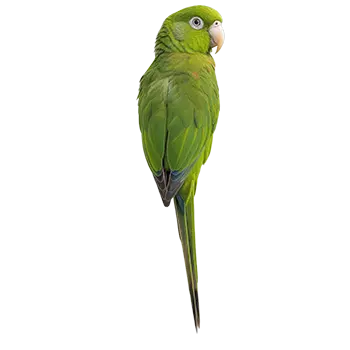

Successful travel with a White-Eyed Conure begins well before departure day, with careful planning and a thorough veterinary evaluation. Scheduling an avian veterinary examination at least two to four weeks before any planned trip allows time to address health concerns, obtain required documentation, and acclimate the bird to the carrier and travel routine. The veterinarian should perform a general physical assessment, evaluate the bird's weight and body condition, and discuss any travel-specific concerns related to the individual bird's temperament and medical history.
Health certificates are a near-universal requirement for air travel with birds and are frequently required for interstate ground transport as well. In the United States, an accredited veterinarian must issue a Certificate of Veterinary Inspection, commonly known as a health certificate, within a specific window before travel, typically ten days for domestic flights. This document certifies that the bird has been examined and found free of signs of communicable disease. Some states impose additional entry requirements, such as proof of negative test results for specific avian diseases, so researching the destination state's regulations is essential.
For international travel, the documentation requirements increase substantially. Most countries require a CITES export permit for the White-Eyed Conure, as the species is listed under Appendix II of the convention. The USDA Animal and Plant Health Inspection Service endorses international health certificates for birds leaving the United States, and the receiving country may impose its own import permits, quarantine periods, and disease testing protocols. The process of assembling international travel documentation can take weeks or even months, and beginning early is the most reliable way to avoid last-minute complications.
Beyond paperwork, pre-travel preparation includes acclimating the White-Eyed Conure to its travel carrier. Introducing the carrier well in advance and allowing the bird to explore it voluntarily, eat treats inside it, and spend progressively longer periods in it reduces the stress of confinement on travel day. White-Eyed Conures are social and curious birds, and most individuals can be conditioned to accept a carrier with patience and positive reinforcement, though the process is best started several weeks before the trip rather than the day before departure.