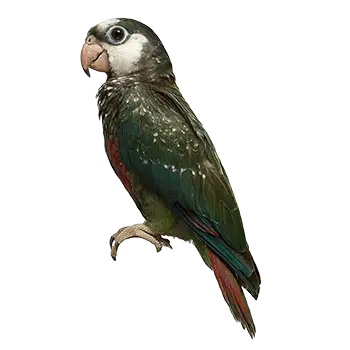

Successful travel with a White-Capped Pionus begins well before the day of departure, with a period of preparation designed to acclimate the bird to the travel carrier and reduce the stress associated with unfamiliar environments. The White-Capped Pionus, while generally calmer and less reactive than many parrot species, is still a creature of routine, and sudden changes to its environment can trigger anxiety-related behaviors such as rapid breathing, feather flattening, and the distinctive wheezing sound that Pionus parrots sometimes produce when stressed. A gradual, patient approach to travel preparation pays significant dividends in the bird's comfort and composure during the journey itself.
Carrier selection is the first critical decision. The ideal travel carrier for a White-Capped Pionus is a hard-sided, well-ventilated enclosure sized to allow the bird to turn around comfortably and extend its wings slightly without being so large that the bird is thrown around during movement. Carriers designed specifically for avian transport are available from specialty pet suppliers and typically feature secure latching mechanisms, adequate ventilation panels, and perch attachments that give the bird a stable footing during transit. Soft-sided carriers, while convenient for short trips, generally offer less structural protection and security than hard-sided alternatives and may not meet airline requirements.
Introducing the carrier to the bird should be a gradual process, ideally beginning several weeks before the planned travel date. Placing the open carrier in the bird's familiar living space and allowing it to explore the enclosure at its own pace, encouraged by the placement of favorite treats and toys inside, helps the Pionus develop positive associations with the carrier. Over successive days and weeks, the bird can be encouraged to spend increasing amounts of time inside the carrier with the door closed, building tolerance for confinement in increments that do not overwhelm the bird's capacity to cope.
Dietary considerations also play a role in travel preparation. In the days leading up to a journey, it is advisable to ensure that the bird is well nourished and hydrated, as the stress and disruption of travel can reduce appetite and water intake. Some experienced Pionus owners prepare travel-friendly food items, such as chopped fruits and vegetables that can be placed in a small dish attached to the carrier, providing familiar nutrition during the trip. Avoiding novel or unfamiliar foods in the immediate pre-travel period reduces the risk of gastrointestinal upset at an already stressful time.