
Representation in Avicultural Literature

The White-Capped Pionus has been a subject of interest in avicultural literature since the species first became established in captive collections during the latter half of the 20th century. Early references to the species appeared in comprehensive parrot guides published during the 1970s and 1980s, when the growth of the exotic bird trade prompted authors and publishers to expand their coverage beyond the most commonly kept species. These initial treatments were often brief, sometimes limited to a paragraph or two within broader surveys of the Pionus genus, but they introduced the White-Capped Pionus to an audience of prospective owners and breeders who might otherwise have overlooked it.

As avicultural publishing matured, the White-Capped Pionus received more detailed treatment in species-specific and genus-specific monographs. Books dedicated to Pionus parrots, such as those published by specialist avicultural presses in the 1990s and 2000s, devoted entire chapters to the White-Capped Pionus, covering its natural history, husbandry requirements, breeding biology, and behavioral characteristics. These works drew on the growing body of firsthand experience accumulated by breeders and keepers, offering practical guidance that went well beyond the generalized summaries found in earlier publications.

Avicultural magazines and journals have also served as important venues for information about the White-Capped Pionus. Publications such as Bird Talk, Parrots Magazine, and the AFA Watchbird have featured articles on Pionus care, breeding success stories, and species profiles that have helped sustain interest in the bird within the avicultural community. These periodicals have provided a platform for breeders and veterinarians to share observations and insights that contribute to the collective understanding of the species in captivity, from dietary refinements to behavioral enrichment strategies.

The White-Capped Pionus has also appeared in veterinary and scientific literature focused on avian health and welfare. Research papers addressing Pionus-specific health concerns, particularly the genus's susceptibility to aspergillosis, have been published in journals such as the Journal of Avian Medicine and Surgery and the proceedings of the Association of Avian Veterinarians. These contributions have elevated the species' profile within the professional veterinary community and ensured that practitioners working with Pionus parrots have access to evidence-based guidance on diagnosis, treatment, and preventive care.

Online Communities & Social Media

The rise of the internet transformed the way parrot enthusiasts connect, share information, and build communities around their birds, and the White-Capped Pionus has been a significant beneficiary of this shift. In the early days of online aviculture, discussion forums and email lists dedicated to parrot keeping provided the first digital gathering places for Pionus owners, who often found themselves in the minority among keepers of more widely owned species. Forums such as Avian Avenue, Parrot Forums, and the now-defunct Talk Parrots hosted dedicated Pionus subsections where owners exchanged husbandry advice, celebrated milestones, and shared stories about their birds' personalities and quirks.

Social media platforms have further expanded the White-Capped Pionus's visibility. On Instagram, YouTube, and TikTok, Pionus owners post photos and videos of their birds engaging in everyday behaviors, from foraging and bathing to vocalizing and interacting with their human companions. While White-Capped Pionus content does not generate the viral numbers associated with cockatoos, African Greys, or budgerigars, it has cultivated a dedicated and engaged following. The species' calm demeanor and subtle color palette, with its muted greens, blues, and the characteristic white crown, lend a quiet charm to visual content that resonates with viewers drawn to understated beauty rather than dramatic spectacle.

Facebook groups dedicated to Pionus parrots have become particularly active hubs for community interaction. Groups with memberships in the thousands bring together owners from around the world to discuss diet, health, behavior, and the day-to-day realities of living with a Pionus. These communities serve an important role in supporting new owners who may have limited access to local expertise, providing a responsive network of experienced keepers who can offer guidance on everything from weaning and socialization to recognizing signs of illness.

The online presence of the White-Capped Pionus has also played a role in shaping public perceptions of the species. Social media posts and forum discussions frequently emphasize the bird's suitability for apartment living, its gentle temperament, and its comparatively modest noise levels, helping to establish a clear and appealing identity for the species within the broader parrot-keeping community. This grassroots marketing effect has contributed to steady demand for captive-bred White-Capped Pionus chicks, even as the species remains less well known than many of its psittacine relatives.

Documentary & Educational Programming

The White-Capped Pionus has appeared in a number of wildlife and nature documentaries focused on the biodiversity of Central American cloud forests, though it rarely serves as the primary subject of such productions. Documentaries exploring the ecosystems of Costa Rica, Guatemala, and southern Mexico frequently feature footage of the region's avifauna, and the White-Capped Pionus, as a common and visually distinctive resident of the highland forests, is among the species likely to appear in these sequences. Its presence in such programming contributes to broader public awareness of the bird and the habitat it occupies, even when the species is not explicitly named or highlighted.

Educational content produced by zoological institutions and conservation organizations has given the White-Capped Pionus somewhat more focused attention. Zoos and aviaries that maintain Pionus species in their collections sometimes produce interpretive materials, keeper talks, and online educational videos that introduce visitors and virtual audiences to the biology and conservation status of the genus. These resources often emphasize the ecological role of seed-dispersing parrots in tropical forest ecosystems, using the White-Capped Pionus as a relatable example of a species whose daily activities contribute to the health and regeneration of its habitat.

Avicultural organizations and bird clubs have produced their own educational media featuring the White-Capped Pionus. Recorded lectures, webinars, and panel discussions from events hosted by groups such as the American Federation of Aviculture and the Parrot Society of the United Kingdom have addressed Pionus husbandry, breeding, and conservation in considerable depth. These recordings, many of which are now available online, serve as valuable resources for both prospective and current Pionus owners seeking expert guidance on the species.

The growth of YouTube as a platform for avicultural education has expanded the reach of White-Capped Pionus content considerably. Independent creators with backgrounds in avian care and breeding have produced detailed video guides covering topics from cage setup and dietary planning to behavioral training and health monitoring for Pionus species. While these channels may not rival the subscriber counts of creators focused on more popular parrot species, they fill an important niche by providing species-specific information that is otherwise difficult to find in mainstream pet care media.

Photography & Visual Arts

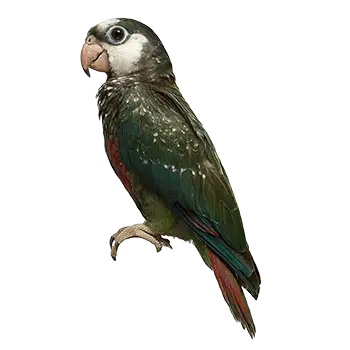
The White-Capped Pionus possesses a subtle beauty that has attracted the attention of wildlife photographers and artists working across a range of media. Unlike the bold reds, blues, and yellows that characterize many of the more widely photographed Neotropical parrots, the White-Capped Pionus presents a more nuanced color palette, with its predominantly green plumage accented by blue flight feathers, a bronze-tinged breast, and the distinctive white crown that gives the species its common name. Capturing these understated tones in photography requires attention to lighting and composition, and the resulting images often reveal a richness of color and texture that is not immediately apparent to the casual observer.

In the field of bird photography, the White-Capped Pionus has been documented by naturalist photographers working in its Central American range. Images of wild birds perched in cloud forest canopy, feeding at fruiting trees, or flying in small flocks against misty mountain backdrops have appeared in field guides, natural history magazines, and online galleries dedicated to Neotropical birdlife. These photographs serve both aesthetic and scientific purposes, contributing to the visual record of the species in its natural habitat and supporting conservation communication efforts by illustrating the beauty of the ecosystems the bird inhabits.

Captive White-Capped Pionus parrots have also served as subjects for avicultural photographers and artists. Breeders and owners frequently photograph their birds for use in breed profiles, social media posts, and promotional materials, and the species' cooperative temperament makes it a relatively amenable photographic subject compared to more flighty or reactive parrot species. Artists working in painting, illustration, and digital media have incorporated the White-Capped Pionus into works celebrating the diversity of the parrot family, sometimes pairing it with other Pionus species in compositions that highlight the genus's range of plumage variations.

In Central American folk art and craft traditions, parrot motifs are common, and the White-Capped Pionus occasionally appears among the species represented in regional textiles, ceramics, and woodcarvings. While these artistic traditions do not always identify the specific species depicted, the combination of green plumage and a white-crowned head is recognizable to knowledgeable viewers, linking the bird to a long tradition of celebrating the natural world through decorative arts.

The Pet Industry & Marketplace Presence

Within the companion parrot marketplace, the White-Capped Pionus occupies a position that reflects its character as a species of moderate fame and considerable merit. It is not among the best-selling parrot species globally, a distinction held by budgerigars, cockatiels, and the larger Amazons and cockatoos, but it maintains a consistent and loyal customer base among buyers seeking a medium-sized parrot with a calm temperament and moderate noise levels. Reputable breeders who specialize in Pionus parrots typically maintain waiting lists for hand-raised White-Capped Pionus chicks, indicating sustained demand that outpaces the relatively modest production volumes characteristic of Pionus breeding programs.

Pricing for captive-bred White-Capped Pionus parrots has historically placed the species in the mid-range of the companion parrot market, above the least expensive species such as budgerigars and lovebirds but below the premium price points commanded by larger parrots, rare color mutations, and hyacinth macaws. This pricing reflects both the costs associated with Pionus breeding, which can be more challenging than breeding some other mid-sized parrots, and the species' position as a somewhat niche choice within the broader market. Buyers who seek out a White-Capped Pionus are often experienced parrot owners or well-researched first-time buyers who have specifically identified the species as matching their lifestyle and preferences.

Pet supply manufacturers have generally not developed product lines specifically targeted at Pionus parrots, a reflection of the genus's smaller market share compared to the dominant parrot species. However, the White-Capped Pionus benefits from the broad range of products designed for medium-sized parrots, including appropriately sized cages, perches, toys, and dietary formulations. Specialty avian nutrition companies have developed pellet blends and supplement products that address the needs of Pionus species, and knowledgeable retailers are often able to guide Pionus owners toward products suited to their birds' specific requirements.

The White-Capped Pionus's presence in the pet trade is also sustained by the bird's reputation within the rescue and rehoming community. Pionus parrots, including the White-Capped, are among the species frequently available through parrot rescue organizations, as their long lifespans mean that birds occasionally outlive or are surrendered by their original owners. Rescue groups often highlight the White-Capped Pionus's suitability for adoption, emphasizing its manageable size, quiet disposition, and adaptability to new environments, further raising the species' profile within the broader parrot-keeping community.

Community Events & Exhibitions

The White-Capped Pionus has a steady, if understated, presence at bird shows, avian expos, and avicultural society events across North America and Europe. Major events such as the National Cage Bird Show in the United States and regional expos organized by state and local bird clubs regularly feature Pionus species among the birds exhibited by breeders and hobbyists. The White-Capped Pionus, with its attractive plumage and calm disposition, is well suited to the exhibition environment, where birds are assessed for physical condition, feather quality, conformation, and temperament. Judges and exhibitors familiar with the Pionus genus appreciate the species' understated elegance, though it competes for attention alongside more flamboyant species in the show hall.

Avicultural society meetings and educational seminars provide another important venue for the White-Capped Pionus community. Organizations such as the American Federation of Aviculture, the Avicultural Society of America, and their European counterparts regularly host presentations on Pionus husbandry, breeding, and conservation. These events bring together breeders, veterinarians, and experienced keepers to share knowledge and foster the development of best practices for the genus. The networking opportunities provided by these gatherings have been instrumental in building the informal support networks that sustain Pionus aviculture.

Bird fairs and swap meets, particularly those held in regions with strong avicultural traditions, serve as marketplaces where White-Capped Pionus breeders connect directly with prospective buyers. These events allow buyers to meet breeders in person, observe birds firsthand, and ask questions about the species before making a purchase decision. For breeders, the events provide an opportunity to showcase the quality of their breeding programs and to build relationships with customers who may become repeat buyers or refer others within the community.

In Central America, the White-Capped Pionus occasionally features in ecotourism programming and birdwatching events that celebrate the region's avian diversity. Birding festivals in Costa Rica and Guatemala, which attract both local and international participants, include the White-Capped Pionus on their target species lists, recognizing it as a characteristic and sought-after bird of the highland forests. These events connect the species' captive and wild identities, reminding attendees that the companion bird in their living room shares a lineage with the wild flocks navigating the cloud forest canopy thousands of miles away.

Always consult a qualified professional before making any health-related decisions. This content is provided for informational reference only and should not replace professional guidance specific to your animal.