
Breed-Specific Transport Considerations

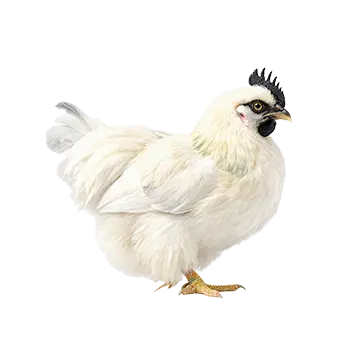
Transporting Silkie Chickens presents a set of challenges that differ in important ways from those associated with moving standard-feathered poultry breeds. The Silkie's distinctive plumage, which lacks the barbicels that lock conventional feather vanes into smooth, water-resistant surfaces, makes the breed significantly more vulnerable to moisture, cold, and soiling during transit. Wet Silkie feathers do not dry quickly and lose virtually all insulating capacity when saturated, meaning that a bird exposed to rain, spilled water, or condensation during transport can become dangerously chilled in conditions that a standard-feathered chicken would tolerate without difficulty.

The breed's limited vision is another factor that must be accounted for during travel. Silkies typically have large crests of feathers that partially or fully obscure their forward vision, and this reduced sightline can make unfamiliar environments and sudden movements more stressful for the bird than they would be for a clear-sighted breed. In a moving vehicle or shipping container, unexpected jolts and vibrations may be more disorienting for a Silkie that cannot visually anticipate changes in motion. Keeping the transport environment calm, stable, and dimly lit can help mitigate this stress.

The Silkie's small size, while generally an advantage in transport logistics, also means that the breed is more susceptible to temperature extremes than larger, heavier chickens with greater thermal mass. Silkies can overheat quickly in poorly ventilated containers, particularly in warm weather, and can become hypothermic in cold conditions faster than larger birds. Temperature management during transport is therefore a critical concern that requires active monitoring and appropriate measures regardless of the season.

Finally, the Silkie's gentle and somewhat passive temperament, which makes the breed easy to handle in most situations, can be a disadvantage in mixed-species or mixed-breed shipping scenarios. Silkies housed with more assertive breeds during transit may be bullied, stressed, or injured. For this reason, Silkies should always be transported separately from aggressive or significantly larger birds, and individual compartments or dividers within carriers are strongly recommended when moving multiple birds simultaneously.

Vehicle Transport & Road Travel

Road travel is the most common method of transporting Silkie Chickens, whether the destination is a veterinary appointment, a poultry show, or a buyer's property. The fundamental requirements for safe vehicle transport are a secure, well-ventilated carrier; stable temperature control; and a calm, quiet travel environment. Small pet carriers, plastic poultry crates, and ventilated cardboard boxes can all serve as suitable containers for short to moderate road trips, provided they are appropriately sized, clean, and offer sufficient airflow without drafts.

Carrier selection should account for the Silkie's plumage and behavioral needs. Hard-sided carriers with smooth interior surfaces are preferable to wire cages, which can snag and damage the delicate Silkie feathering. The carrier floor should be lined with a non-slip, absorbent material such as clean towels, puppy pads, or a layer of pine shavings. Straw and hay are less ideal, as they can become tangled in the bird's leg feathering and crest. The carrier should be large enough for the bird to stand and turn around but snug enough to prevent the bird from being thrown about during sudden stops or turns.

Temperature management during road travel requires attention to both the interior of the vehicle and the microclimate within the carrier. In warm weather, the vehicle's air conditioning should be running before the bird is loaded, and the carrier should never be placed in direct sunlight or left in a parked vehicle. In cold weather, the vehicle should be preheated, and the carrier can be partially covered with a light cloth to retain warmth while preserving ventilation. For longer trips, periodic stops to check on the bird's condition, offer water, and assess the temperature inside the carrier are advisable.

Water and food management during road travel depends on the duration of the trip. For journeys under two hours, most healthy adult Silkies will not require food or water during transit, though a small dish of water can be offered during rest stops for longer drives. For trips exceeding four hours, water should be made available at regular intervals, and a small amount of easily consumed food such as moistened crumble or chopped fruit can be provided. Spill-proof water containers or water-absorbing gel products designed for poultry shipping can help prevent the bird's feathers from becoming wet, which is a particular concern for Silkies given their plumage's inability to repel moisture.

Shipping Live Birds & Hatching Eggs

The shipment of live Silkie Chickens and hatching eggs through postal and commercial carrier services is a well-established practice in the poultry breeding community, but it is subject to specific regulations and best practices that must be followed to ensure both legal compliance and the welfare of the birds. In the United States, the United States Postal Service permits the mailing of day-old poultry, including chicks and ducklings, under conditions specified in USPS Publication 526 and related regulations. Adult and juvenile birds cannot be shipped via USPS and must be sent through commercial carriers that accept live animal shipments, such as specialized poultry transport services.

Shipping day-old Silkie chicks via USPS requires the use of approved shipping containers that provide adequate ventilation, insulation, and protection from crushing. The minimum shipment quantity may vary by post office and region, as postal regulations historically required minimum chick counts to ensure that grouped chicks could maintain sufficient body heat during transit. In recent years, some breeders have successfully shipped smaller quantities using heat packs and insulated containers, but this approach requires careful attention to temperature management and should only be attempted by experienced shippers who understand the risks.

Hatching eggs present a different set of shipping challenges. Silkie hatching eggs are shipped via USPS Priority Mail or commercial carriers in insulated, cushioned packaging designed to protect the eggs from temperature extremes and physical shock. Despite the best packaging, shipped hatching eggs experience lower hatch rates than eggs that have not been subjected to the vibrations, pressure changes, and temperature fluctuations inherent in postal transit. Experienced breeders typically advise buyers to allow shipped eggs to rest at room temperature for 12 to 24 hours after arrival before placing them in an incubator, allowing the air cells to stabilize.

Seasonal timing is a critical consideration for any live Silkie shipment. Extreme heat and extreme cold both pose significant risks to birds and eggs in transit, and most experienced shippers avoid mailing live birds or hatching eggs during the peak of summer and the depths of winter. Spring and fall offer the most favorable conditions for shipping in most regions of the United States, though local climate conditions should always inform the decision. Buyers and sellers should communicate clearly about expected transit times, weather forecasts, and contingency plans in the event of shipping delays.

Preparing Silkies for Poultry Shows

Traveling to poultry shows is one of the most common reasons Silkie owners transport their birds, and show travel involves a preparation process that begins well before the day of departure. The Silkie's plumage is central to its appeal in the show ring, and maintaining feather condition during transport is both a practical challenge and a competitive necessity. Experienced exhibitors typically begin pre-show grooming several days in advance, bathing the bird, blow-drying its feathering, and applying any conditioning treatments needed to bring the plumage to peak condition.

Bathing a Silkie for show involves a multi-step process that includes soaking the bird in warm water with a gentle cleanser, rinsing thoroughly, and carefully blow-drying the plumage on a low heat setting until it is completely dry and fully fluffed. The drying process alone can take an hour or more for a bird with a dense, well-developed coat, and rushing this step risks leaving damp feathers that will mat and flatten during transport. Many exhibitors bathe their birds one to two days before the show, allowing time for the natural oils to redistribute and the feathering to settle into its best configuration.

The transport container used for show travel should be clean, spacious enough to avoid crushing the crest and body feathering, and lined with a material that will not stain or soil the freshly groomed plumage. White Silkies, in particular, are vulnerable to discoloration from soiled bedding, and exhibitors of white birds often use clean white towels or paper bedding to minimize the risk of staining during transit. Some exhibitors use custom-built show carriers with individual compartments that keep birds separated and prevent feather damage from contact between birds.

Upon arrival at the show venue, exhibitors typically perform a final grooming session before cooping the bird. This may include touching up the crest, checking for soiled leg feathering, and ensuring that the bird is calm and well-hydrated before it enters the judging environment. The transition from carrier to show cage should be handled gently and without haste, as a stressed or ruffled Silkie will not present its plumage at its best. Experienced exhibitors know that the quality of the journey directly influences the quality of the presentation, and they treat show transport as an integral part of the competitive process rather than a mere logistical chore.

Return travel after a show requires similar care. Birds that have spent a day or more in a show cage may be dusty, slightly dehydrated, or stressed from the unfamiliar environment, and the return trip should be managed with the same attention to temperature, hydration, and carrier conditions as the outbound journey. Quarantine protocols upon return home are also advisable, as poultry shows bring together birds from many different flocks and geographic areas, creating an elevated risk of disease transmission.

Air Travel & Long-Distance Relocation

Air travel with Silkie Chickens is significantly more complex and restrictive than road transport, and it is subject to regulations imposed by airlines, federal agencies, and international authorities. Most commercial airlines do not permit live poultry in the cabin or as checked baggage, and those that accept poultry as air cargo impose stringent requirements regarding container specifications, health documentation, and seasonal restrictions. Keepers considering air transport for Silkies should contact the specific airline well in advance to confirm whether poultry shipments are accepted and what conditions apply.

The International Air Transport Association publishes Live Animals Regulations that set the global standard for the air transport of live animals, including poultry. IATA Container Requirement 72, which applies to domestic fowl, specifies the construction, ventilation, and sizing standards for containers used to ship chickens by air. Containers must be leak-proof, escape-proof, and constructed of materials that allow adequate airflow while protecting the bird from temperature extremes and physical injury during loading, flight, and unloading. For Silkies, the container should also provide protection from moisture, given the breed's plumage vulnerability.

Health documentation required for air transport of Silkies typically includes a veterinary health certificate issued within a specified number of days before departure, confirmation of negative test results for notifiable diseases, and, for international shipments, the import permits and health attestations required by the destination country. The documentation requirements can be extensive and time-sensitive, and failure to present the correct paperwork at the point of departure can result in the shipment being refused. Working with a veterinarian experienced in poultry health certification and a freight forwarder or broker familiar with live animal shipments can help ensure that all requirements are met.

Long-distance relocation of Silkies, whether by air or by ground over multiple days, introduces additional welfare considerations. Extended transit times increase the risk of dehydration, heat stress, cold stress, and psychological distress. For multi-day ground relocations, overnight stops should be planned in advance, with arrangements for the bird to be removed from its carrier, offered food and water, and housed in a secure, temperature-controlled environment. Keepers who are relocating across state lines or international borders should also be aware of the interstate and international movement regulations discussed in the legal section of this content area, as noncompliance can result in the seizure or destruction of birds at checkpoints or borders.

The stress of long-distance travel can have lasting effects on a Silkie's health and behavior. Birds that have undergone extended transit may experience temporary changes in appetite, egg production, and social behavior, and a quiet, low-stress reintegration period upon arrival at the destination is important. Providing familiar bedding, food, and water containers can help ease the transition, and monitoring the bird closely for signs of illness in the days following a long journey is a prudent practice.

Biosecurity During Travel & Post-Travel Quarantine

Biosecurity is a critical dimension of Silkie Chicken transport that is often underappreciated by casual keepers but well understood by experienced breeders and exhibitors. Every time a Silkie leaves its home environment and enters a new setting, whether a poultry show, a veterinary clinic, a buyer's property, or a breeding facility, it is exposed to pathogens that may not be present in its home flock. Conversely, a traveling bird can carry pathogens from its home flock into new environments, potentially introducing disease to other birds. This bidirectional risk makes biosecurity planning an essential component of any travel scenario involving Silkies.

Pre-travel biosecurity begins with assessing the health status of the bird and the flock from which it originates. Birds that are visibly ill, underweight, lethargic, or showing respiratory symptoms should never be transported, both for their own welfare and for the protection of other birds they may encounter during travel. Ideally, birds intended for show or sale should come from flocks that are tested and certified under the National Poultry Improvement Plan or an equivalent state program, providing a documented baseline of flock health.

During travel, biosecurity measures include using clean, disinfected carriers and equipment; avoiding direct contact between traveling birds and birds from other flocks; and minimizing the number of environments through which the bird passes. At poultry shows, where birds from dozens or hundreds of different flocks are housed in close proximity, the risk of disease transmission is inherently elevated. Exhibitors should avoid handling other exhibitors' birds, should wash hands thoroughly between handling their own and other animals, and should be alert for signs of illness in birds caged near their own.

Post-travel quarantine is the single most important biosecurity practice for any Silkie returning from an environment where it has been in proximity to unfamiliar birds. Returning birds should be housed separately from the home flock for a minimum of 14 to 30 days, during which time they are monitored for any signs of illness. Quarantine housing should be located as far from the main flock as practical, with separate feeding and watering equipment and, ideally, separate footwear and clothing for the keeper when attending to quarantined and resident birds. This quarantine period allows time for the incubation of most common poultry diseases, and any bird showing symptoms during quarantine should be examined by a veterinarian before being considered for reintroduction to the flock.

The discipline of consistent biosecurity during travel is especially important for Silkie keepers because the breed's plumage and physical characteristics can make early disease detection more challenging. Respiratory discharge may be less visible on a heavily feathered face, and weight loss may be masked by voluminous plumage. Regular handling and weighing of traveling birds, both before departure and during quarantine, helps ensure that health changes are detected promptly and addressed before they can spread to the broader flock.

Always consult a qualified professional before making any health-related decisions. This content is provided for informational reference only and should not replace professional guidance specific to your animal.